Get Full Government Meeting Transcripts, Videos, & Alerts Forever!
Get email alerts on the Child Welfare Budget topic
No spam. Unsubscribe anytime.
Idaho requests $14.1 million supplemental and staffing increases to reduce congregate care use in child-welfare budget
Summary
Department of Health and Welfare asks JFAC for funds and new staff to expand prevention services, recruit foster parents and operate the Payette Assessment and Care Center under lease while officials decide on purchase.
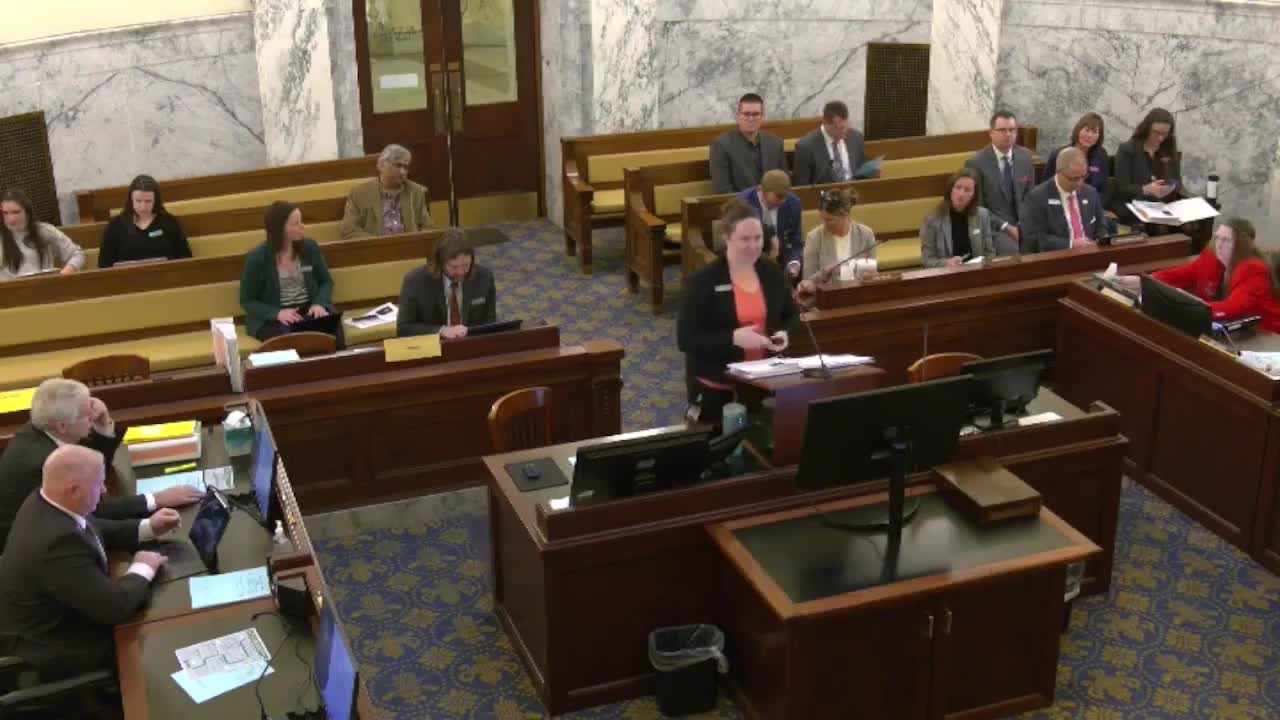
The Department of Health and Welfare asked the Joint Finance and Appropriations Committee on Feb. 20 for supplemental and ongoing funding aimed at reducing use of high-cost congregate care and expanding prevention and foster-care capacity.
Alex Williamson, budget and policy analyst with Legislative Services, told the committee the division of child welfare — which the department has retitled “Youth Safety and Permanency” — spent about $117.8 million in fiscal 2024, with foster care and assistance payments accounting for roughly 60% of that total. Williamson said the division is authorized 434.8 full-time positions with 45.8 vacancies as of Feb. 10; about 25 vacancies were in interview status and 9 were posted.
Why it matters: Agency leaders said shifting children out of congregate care and into prevention or foster homes produces better outcomes for children and reduces costs. Director Alex Adams told the committee: “If a child is removed from their home and placed in foster care, it's $16 a day. If I don't have a foster bed available to them, congregate care is $380 a day.”
Director Adams and Deputy Director Monty Pro described a multi-pronged budget request. The department requested a $14.1 million supplemental tied to foster-care population forecast adjustments, driven largely by rising congregate-care costs and a reported increase in mental-health and substance-use needs among youth. Other requests include: - 36 prevention specialist positions to expand in-home services and increase the share of children who can safely remain at home (bringing prevention specialists from 14 to 50 statewide). Williamson said the combined one-time and ongoing cost figure given in the presentation was unclear in the slides. - Additional clinical and placement staff: the agency requested 12 youth-safety and permanency staff (the governor recommended 9), 15 foster-program clinical staff (governor recommended 10), and 14 foster-program licensing staff (governor recommended 3). The clinical staff would provide intensive support to foster families and help establish a 24/7 support line; the licensing staff would accelerate foster-parent approvals, which the agency said average about 80 days currently. - Case management support to lower average caseloads: the department reported 67 case management workers with an average caseload of 32 youth and said it hopes to move toward 26 per worker.
On the Payette Assessment and Care Center, the department and governor’s office recommended leasing the facility rather than immediate purchase. Williamson said the governor did not recommend the original purchase request; Director Adams told lawmakers the state and community partners had already invested in safety and upgrades to the facility and that the department will operate it under lease for now with an ongoing operating request of $2.7 million. Adams said the department paused the purchase decision to evaluate whether the facility’s location and long-term suitability make buying the right option.
Deputy Director Monty Pro described how prevention specialists work: “Once a week, they go into the home to build up protective factors and reduce the risk factors,” and those specialists perform assessments and broker services tailored to the family’s needs.
Committee members pressed for details on cost drivers and the supplemental timeline. Representative Furness and others asked about return on investment; Adams said the department projects savings if the plan reduces congregate-care placements and increases prevention cases and foster placements. He told the committee he had reduced a prior supplemental projection from about $24 million to $14.1 million through recruitment, regulation changes and partnerships.
The presentation also included a request to exempt child-welfare personnel costs and trustee/benefit payments from transfer restrictions included in the recent maintenance bill, allowing transfers under Idaho Code 67-35-11.
What was not decided: The committee did not take a formal vote on any fiscal item during this hearing. Members asked questions; agency leaders said they will follow up with requested details and reports.
Looking ahead: Department leaders said the budget investments are intended to increase prevention capacity and foster-parent recruitment — including faith-based outreach — so Idaho can place more children in lower-cost, lower-trauma settings. The committee scheduled additional budget work and follow-ups in later hearings.