Get Full Government Meeting Transcripts, Videos, & Alerts Forever!
Get email alerts on the Early Learning And Dd Services topic
No spam. Unsubscribe anytime.
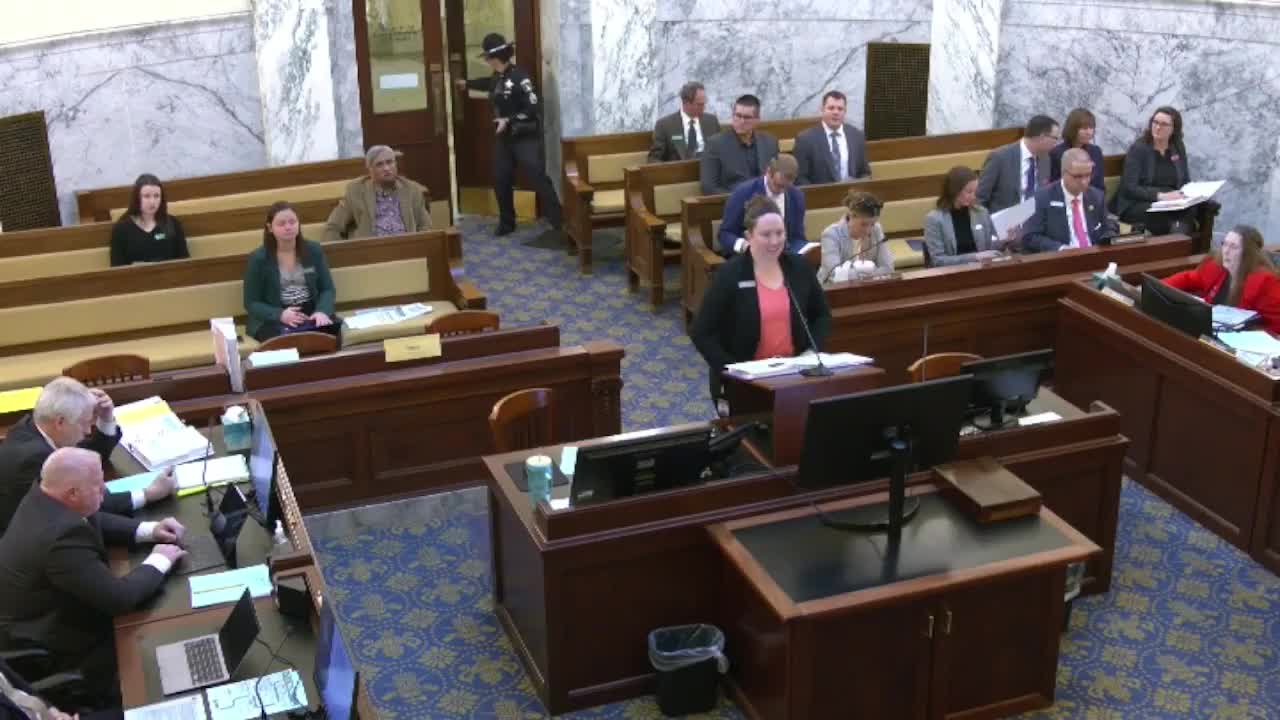
Health and Welfare briefs JFAC on early learning, SWITC and childcare funding after reorganization
Summary
Analysts and agency leaders described the reorganization moving many developmental disability services into Medicaid, outlined SWITC improvements and START certification progress, and defended a temporary pause and later re‑opening of Idaho Child Care Program enrollments tied to budget constraints.
Analysts for the Department of Health and Welfare told the Joint Finance and Appropriations Committee on Feb. 20 that services for people with developmental disabilities have been restructured in a reorganization that moves many services into Medicaid and places early learning and childcare in a new division.
Alex Williamson, a Legislative Services analyst, said the division formerly called Developmental Disability Services will be retitled Early Learning and Development and that much of the developmentally disabled (DD) service work will appear in the Medicaid budget in future hearings. The packet includes several requests: a START certification program continuation (year 3 of 4, one‑time request of $249,200), proposed installments of $15 million one‑time additions to the Idaho Child Care Program (ICCP) from available federal Child Care and Development Block Grant carryforward, and an ongoing $4.2 million ICCP request.
Statewide structure, SWITC and START Williamson outlined three budgeted programs historically in DD services: community developmental disability services, the Southwest Idaho Treatment Center (SWITC) in Nampa, and extended employment services (EES). SWITC serves clients with the most severe behavioral or medical needs. Lisonbee Tate, identified as the administrator overseeing Early Learning and Development, told the committee that the department used state funds to improve a leased facility and that partner organizations also contributed equipment.
On START (the intensive clinical model used at SWITC), agency presenters said certification and training took longer than initial presentations suggested but that recent activity shows growing enrollment. Allison Tate (division administrator) told members that a crisis team adopted the START clinical model on Feb. 3 and that enrollment rose from five to 10 clients within weeks, with more planned. The department committed to providing a required progress report to the committee later this summer.
ICCP, federal funding and enrollment pause Director Alex Adams and staff described the Idaho Child Care Program as a non‑entitlement subsidy program with significant federal funding. Adams said the department spent the full base of approximately $52.7 million last year and would have needed an additional $15.4 million if treated as an entitlement. To live within the legislature's appropriation, the department paused new enrollments temporarily and later lifted the pause in January after corrective actions; Adams said certain priority groups (foster youth, disabled youth, homeless youth) were not paused. The governor recommended using up to $15 million one‑time from available Child Care and Development Block Grant carryforward this year as part of a three‑year installment plan totaling $45 million.
Facility operations and minor capital requests Committee members asked about a roughly $1 million permanent‑building‑fund line item that included a walk‑in cooler for SWITC. Lisonbee Tate said a larger cooler enables bulk purchasing and could reduce food costs for State Hospital West and SWITC by allowing centralized purchasing and distribution to units that prepare meals locally.
Budget mechanics and oversight Williamson noted a population forecast FMAP shift that slightly moves costs between federal and general funds and repeated the department's request for transfer authority exemptions consistent with the statutory citation 67‑35‑11. Committee members asked for the statutorily required START report; the agency said it will deliver updated training and enrollment figures in the coming months.
Ending note The committee heard no votes on these items; the agency will appear in follow‑up hearings on Medicaid and other related budgets for additional detail.