Get Full Government Meeting Transcripts, Videos, & Alerts Forever!
Get email alerts on the Child Welfare Budget topic
No spam. Unsubscribe anytime.
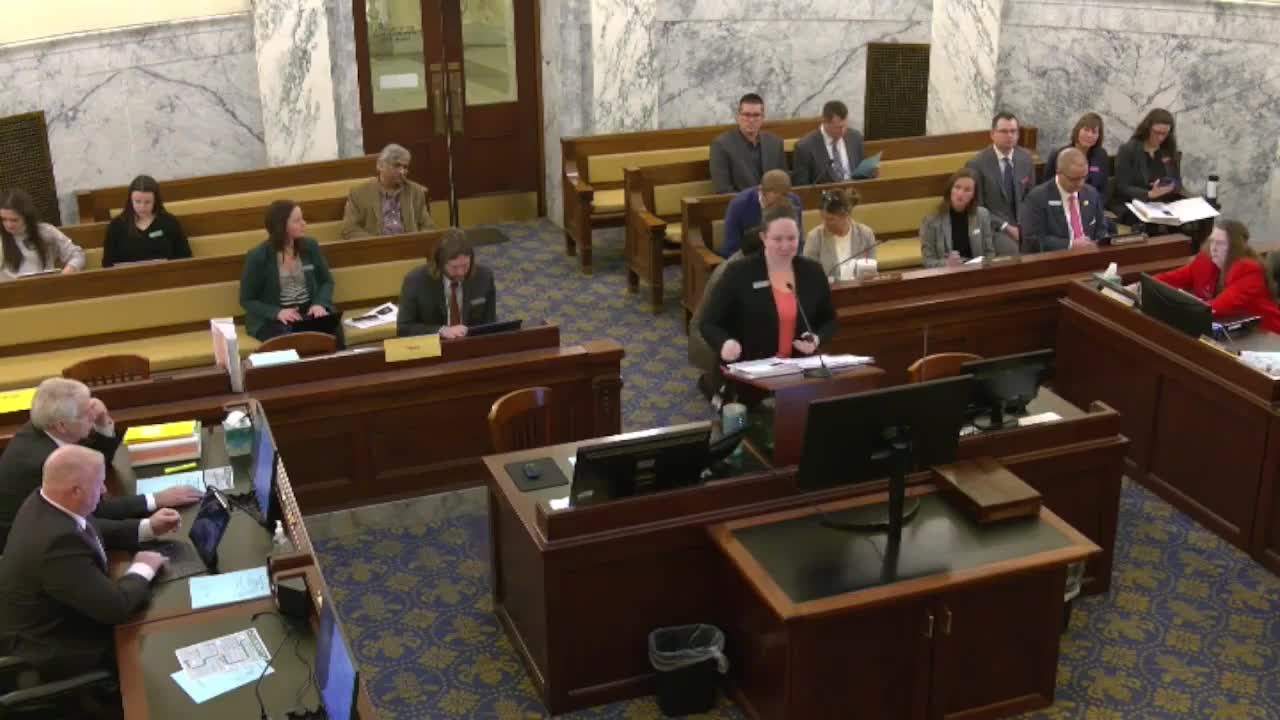
Idaho budget hearing: Health and Welfare seeks staff, prevention funding to reduce costly congregate care
Summary
Department of Health and Welfare requested dozens of new staff and a $14.1 million supplemental to address rising foster and congregate-care costs, and recommended leasing (not buying) the Payette assessment center while the agency tests operations.
The Department of Health and Welfare told the Joint Finance and Appropriations Committee on Feb. 20 that it is seeking staff and one-time funding to expand prevention work and recruit foster families as a strategy to reduce expensive congregate-care placements.
The department, represented by Director Alex Adams and analyst Alex Williamson, asked the committee to authorize 36 prevention specialist full‑time positions, additional clinicians and licensing staff, and a $14.1 million supplemental tied to foster‑care population forecast adjustments. The agency says rising mental‑health and substance‑use needs among youth and a shortage of specialized community placements are driving an increase in congregate‑care use and costs.
The request matters because congregate care is far more expensive than other placements and is associated with poorer outcomes, Director Adams told committee members. "If a child is removed from their home and placed in foster care, it's $16 a day. If I don't have a foster bed available to them, congregate care is $380 a day," Adams said, adding the department is working to have "the right kid, right place, right time." The department reported foster and assistance payments represented about 60% of the child‑welfare budget in fiscal 2024.
Agency context and proposed changes Alex Williamson, budget and policy analyst with Legislative Services, said the division (retitled youth safety and permanency following a recent reorganization) is authorized 434.8 FTP, with 45.8 vacancies as of Feb. 10; the agency reported roughly 25 of those vacancies were in interview and nine posted. Williamson outlined the major requests: 36 prevention specialist FTP (to bring total prevention specialists statewide from 14 to 50), 12 youth‑safety and permanency staff (governor recommended 9), 15 foster‑program clinical staff (governor recommended 10), and 14 licensing staff (governor recommended 3). The request also includes funding for an updated child‑welfare information system and a proposed monthly maintenance rate increase for foster families averaging roughly 5%.
Why prevention and foster recruitment are the emphasis Deputy Director Monty Pro described the prevention specialists' day‑to‑day work as more intensive than standard case management: "every 30 days, a standard case manager will go into a foster family home to check on that kid. That looks like once a week for our prevention workers." He said prevention teams perform assessments and develop court‑reviewed treatment plans to address family‑level, parental and youth‑specific needs and broker services—often aiming to shorten involvement so cases can safely close.
Adams and other presenters said prevention and a larger pool of foster families would reduce reliance on congregate care and short‑term rentals. Adams said the department raised the placement ratio from about 74 foster beds per 100 kids to about 94 per 100 since he began, a change that helped remove children from Airbnbs and short‑term rentals.
Payette assessment and care center: lease vs. purchase The department also requested operating funding for the Payette Assessment and Care Center but has paused a purchase plan. Williamson explained the governor and agency agreed to lease and operate the relatively new facility rather than purchase it outright while they assess long‑term suitability. Adams said state funds were used for building modifications and partners contributed equipment, but that the administration wanted more time to determine whether ownership of a specialized facility in a small, remote community is the best long‑term approach.
Budget mechanics, supplementals and entitlement constraints Adams repeatedly framed parts of the child‑welfare budget as entitlement‑driven: courts, not the department, determine custody, and once committed the state must provide care. He told committee members the department reduced the projected supplemental from about $24 million to $14.1 million through recruitment and other actions, but said supplemental requests arise when forecasts about numbers of children, placement types or costs prove inaccurate. The supplemental request includes a mix of ongoing and one‑time elements; the agency told the committee it views some one‑time investments as tools to produce future savings by reducing congregate placements.
Transfer authority and administrative requests The department requested an exemption from maintenance‑bill transfer limits that had restricted transfers of personnel and trustee/benefit payments so child welfare could transfer funds consistent with statutory authority (cited in discussion as 67‑35‑11). Williamson noted last year's maintenance bill included restrictive language and the department is seeking to be exempted from those limits going forward.
Reaction from lawmakers and partners Lawmakers who spoke at the hearing praised the prevention focus and asked detailed questions about day‑to‑day services, the faith‑based recruitment strategy and the Payette center. Representative Furness and others urged partnerships with congregations; Adams said the department has an Office of Faith Based Initiatives and an active campaign to recruit foster families across faith and community networks. Community partners present included Bridal McAuley (identified in testimony as working with foster‑care reform) and Shane Hansen of the Freedom Youth Foundation, who Adams described as organizational partners in foster youth services.
Closing and next steps Committee members asked follow‑up questions and the department said it would provide reports and additional details as requested. Because most items were budget requests or recommendations from the governor, the hearing produced no formal votes; the committee will consider the department's requests during budget‑setting sessions.
Ending detail Williamson pointed committee members to budget book pages and SharePoint files with detailed line items and supporting materials; the department said it would follow up with requested clarifications on the Payette facility funding and the START certification work in subsequent briefings.