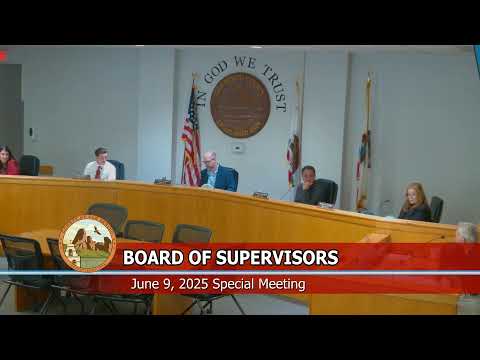
Baker Tilly tells San Benito County supervisors 1-time revenues masked a structural deficit; consultants urge long-range forecast
Loading...
Summary
Baker Tilly, an outside public‑finance consulting firm, told San Benito County supervisors on June 9 that large, one‑time revenues have masked a structural gap between baseline revenues and baseline expenditures and urged a short‑term placeholder budget followed by a long‑range financial forecast.
San Benito County’s independent consultant Baker Tilly told the Board of Supervisors on June 9 that an analysis of the county’s recent budgets shows underlying, ongoing spending outpacing baseline revenue once one‑time grants and settlements are removed.
"There's a story to be told here," Baker Tilly director Steve Toler said in his presentation, summarizing the firm’s review of five years of revenues, expenditures and reserves. The firm’s analyst, Matt Stark, showed charts the consultants said expose large swings in one‑time receipts — pandemic relief, an $6 million developer fee and insurance settlements — that inflated fund balances even as baseline spending rose.
The firm told the board the recommended fiscal year 2025–26 budget as published relies on a mix of short‑term, one‑time funds and uses reserves in a way that would leave the county with a sharply lower available balance if no structural reductions or revenue changes occur. Matt Stark said the county’s reserves grew to about $31 million during years with large one‑time revenues but projected to fall to roughly $17–18 million by year end as one‑time receipts chart downward.
Baker Tilly recommended a two‑track response: short‑term steps to adopt a legally required budget before June 30 while protecting near‑term reserve levels, and longer‑term changes including a five‑ to 10‑year financial forecast, clearer reserve reporting, and more realistic revenue and expenditure assumptions. The consultants also recommended segregating extraordinary/one‑time revenues and capital transfers from baseline operating budgets to make the county’s ongoing fiscal position clearer.
Interim County Administrative Officer Henny Ring and newly promoted budget officer Dulce Alonso joined the presentation. Ring summarized the administrative review that prompted the consultant engagement and said departments were directed last winter to identify reductions; Alonso described the County Budget Act steps that shape the schedule for publishing and adopting a recommended budget.
Board members pressed the consultants and staff on timing and the impact of specific assumptions. The board’s discussion later focused on how to convert Baker Tilly’s findings into a practical plan for the FY2025‑26 budget and directed staff to return with a revised draft under the board’s guidance.
Toler and Stark emphasized that the county’s minimum reserve policy is prudent but that the county needs a realistic, operational baseline budget aligned to long‑term forecasts. "We think that the amounts that are included as available reserves, which is about that 17,000,000 or so, is reasonable," Toler said, but he added that the county still lacked a long‑range forecast to show the trajectory of pension, labor and capital costs.
The consultants left the board with short‑term options to adopt a placeholder budget immediately and use the next 60–90 days to refine a final budget with department input and a commitment to restore reserves to a policy target.