Get Full Government Meeting Transcripts, Videos, & Alerts Forever!
Get email alerts on the Environmental Regulation topic
No spam. Unsubscribe anytime.
DEQ says vacancies slow permitting; seeks targeted pay increases and details on loan/fund use
Summary
The Department of Environmental Quality told the Joint Finance-Appropriations Committee that turnover and vacancies have lengthened permit processing times. DEQ requested targeted pay increases to improve recruitment and retention and described loan funds and transfers tied to wastewater, drinking water and the Bunker Hill remediation account.
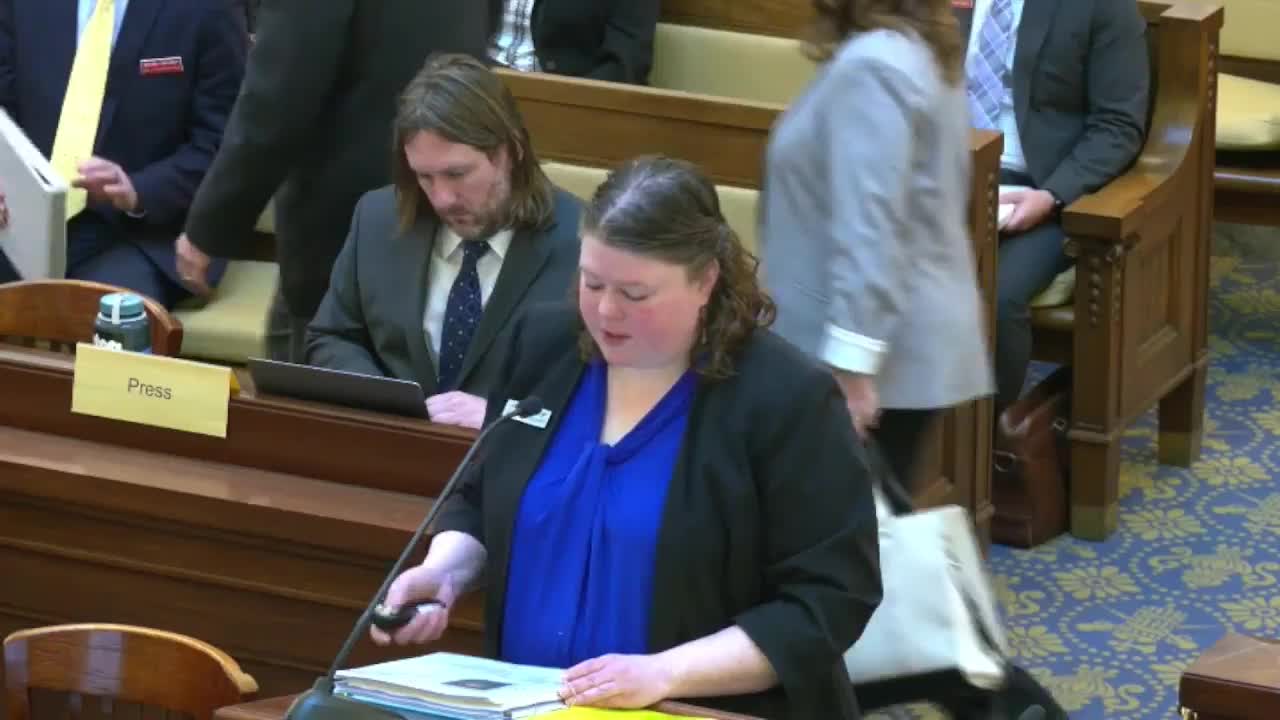
Department of Environmental Quality Director Jess Byrne told the Joint Finance‑Appropriations Committee the agency is experiencing turnover and vacancy problems that have slowed permitting and increased backlog. Byrne presented a targeted compensation proposal intended to raise entry‑level hires and certain high‑need positions to improve recruitment and retention.
Why it matters: DEQ issues permits required for industrial facilities, municipal wastewater systems and other projects; delays can slow construction and economic development. The agency said permitting times for some programs have roughly doubled in recent years and that turnover in technical permitting positions has been a primary driver.
Byrne and Legislative Services analyst Janet Jessup gave the committee details on staffing and funds. Jessup said DEQ is allocated roughly 385 full‑time positions and had 37 vacancies at the time of the budget submission (about a 9.7% vacancy rate). Byrne said some specialized permitting programs have experienced very high vacancy rates: "In the last year, 50% of the positions [in the air permitting program] have been vacant," Byrne said, and "our surface water individual permit program, 60% of those positions have been vacant in the last year."
Byrne described the department's proposal for targeted pay increases included in the governor's recommendation: raise the hiring minimum for most positions to about 83% of policy and to 86% for particularly difficult‑to‑fill positions, plus targeted in‑range adjustments for current staff. Byrne said the proposed package should be considered together with an across‑the‑board compensation element the legislature has debated; combined, the measures would make DEQ more competitive for specialized technical staff.
On impacts to business, Byrne said delayed permits can slow construction and operation start dates for facilities that require air or wastewater permits. "When we look at our backlog, we prioritize the permits that we're working on," Byrne added, noting the agency triages work to avoid holding up projects that are time‑sensitive.
Jessup and Byrne also reviewed DEQ loan and grant accounts. The committee heard that $4,800,000 is transferred annually to the water pollution control account (a statutory transfer meant to sustain low‑interest wastewater and drinking water loan match funds) and that DEQ has requested a $1,500,000 transfer from that account into a basin remediation account to support continued work at the Bunker Hill Superfund site. Byrne said the agency's target for the basin remediation account is about $45,000,000 to cover future matching and operation‑and‑maintenance obligations; transfers are staged over many years.
DEQ also described other funds and recent federal inflows: ARPA and Bipartisan Infrastructure Law funds have temporarily increased trustee and benefit payments in recent years because those federal monies are passed through the state as grants to third parties. Jessup directed committee members to an expenditure report in their SharePoint showing how those ARPA funds have been used.
No vote was taken. The agency was asked to provide more detail on the proposed targeted pay increases, including position‑level plans and how the adjustments would be distributed, and to follow up on performance‑metric changes tied to permit turnaround.