Get Full Government Meeting Transcripts, Videos, & Alerts Forever!
Get email alerts on the Direct Care Workforce topic
No spam. Unsubscribe anytime.
Lawmakers press department on whether rate increases reached direct-care staff; agency cites audits and follow-up survey
Summary
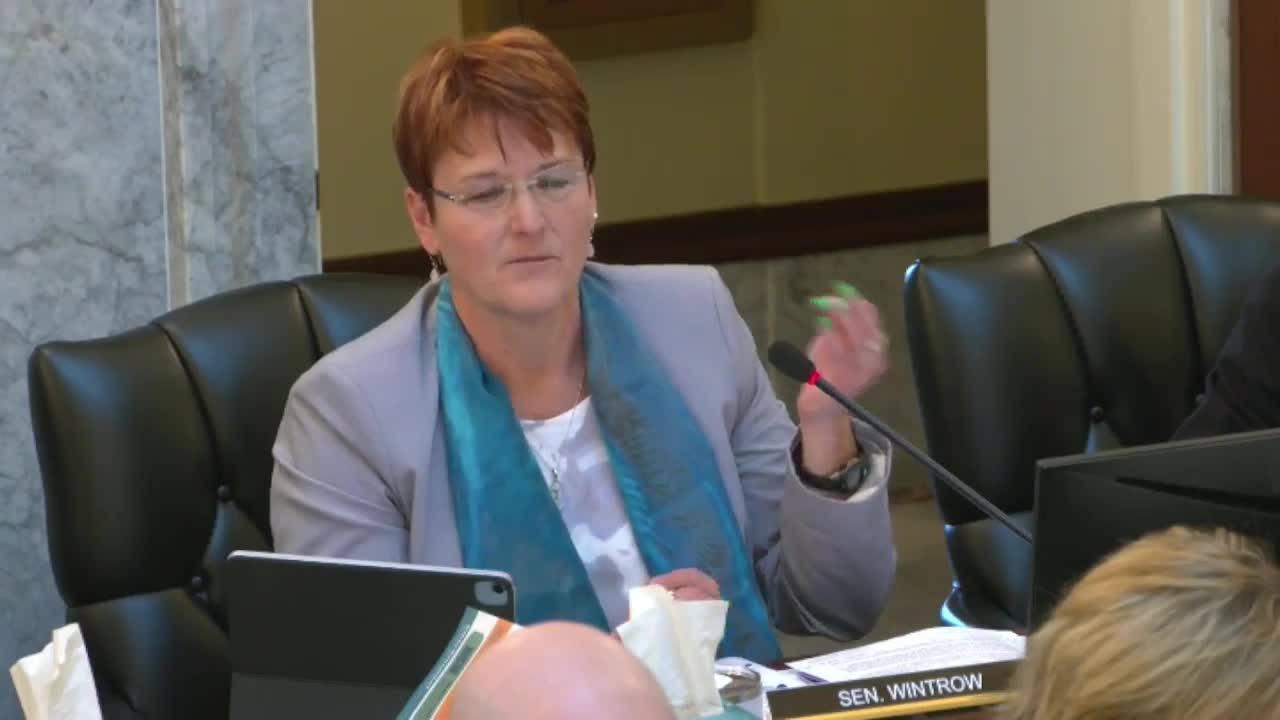
Legislators pressed Department of Health and Welfare leaders about whether recent rate increases intended to support Idaho’s direct-care workforce have actually reached front-line staff.
Legislators pressed Department of Health and Welfare leaders about whether rate increases intended to bolster Idaho’s direct-care workforce have reached front-line staff.
Deputy Director Juliette Sharon said the department previously identified that only a small percentage of rate increases reached direct-care wages. "We've done a follow-up cost survey this year," she told the committee, and the department is evaluating potential authority to impose more specific requirements about how funds flow to direct-care staff while balancing the realities of small business provider operations.
Sharon said the legislature has invested in home- and community-based services over several years, and that those investments prompted provider audits and a subsequent survey to understand whether funds were driving down to wages. "We are still concerned about if those funds are truly being driven down to direct care staff," she said.
On family personal care services, Sharon said the department submitted an amendment to CMS to suspend that optional Medicaid benefit; families will still be able to receive services from trained caregivers who are not the child’s legally responsible parent, guardian or spouse, and the department will monitor access after the change.
Why it matters: Workforce shortages in home- and community-based services affect access and can increase institutional placements, which are more costly and often less preferred by beneficiaries and families. Committee members asked for continued reporting and for the department to present findings on the cost-survey results in the coming weeks.
Ending: Department officials said they will continue follow-up with the legislature and may propose policy options if the survey and audits show inadequate pass-through of funds to direct-care wages.