Get Full Government Meeting Transcripts, Videos, & Alerts Forever!
Get email alerts on the School Wellness topic
No spam. Unsubscribe anytime.
Coventry committee outlines wellness work: nutrition pilots, physical-activity goals and mental-health screening
Summary
The school committee received the wellness subcommittee's end-of-year report covering nutrition education, student activity goals, staff mental-health supports, and screening tools to identify students needing extra social-emotional support.
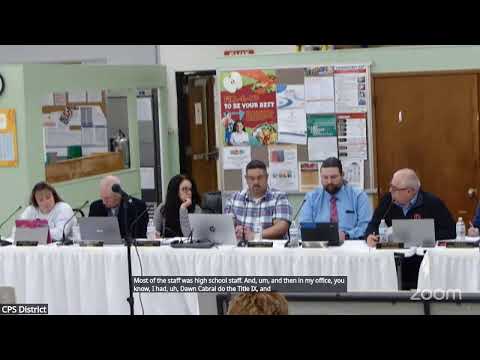
Members of Coventry’s wellness subcommittee presented an end-of-year report to the school committee summarizing work on nutrition, physical activity and mental health across district schools.
The report described two nutrition goals: comprehensive use of MyPlate across grades and instruction on the six essential nutrients. As part of the nutrition work, the district ran a Future Chefs event (39 applicants; six students chosen to compete, one winner’s recipe will appear on elementary menus) and a Students Take Charge recipe program that added a popular “epic beef stew” to next year’s elementary menus after an 89–33 schoolwide vote.
Physical-activity goals included encouraging 60 minutes of daily activity (the SHAPE national recommendation) and developing a clear “physical literacy” progression across grade bands. Presenters cited GenYouth data showing fewer than one in four youth ages 6–17 meet the 60-minute target and noted average teen screen time about seven hours per day outside school.
On mental health, presenters described a mix of staff training and student screening. The district used a school-based mental-health grant to bring in trainings (for example, PureEdge and a Trust Mental Health presentation) and purchased curriculum materials for a districtwide Second Step rollout next year. The committee also described pilot work with the RULER program from the Yale Center for Emotional Intelligence; some schools completed staff training and planned phased classroom implementation. Finally, the district is using a brief social-emotional screening (referred to in the presentation as DESA) completed by teachers to flag students for follow-up support and group placement.
Presenters emphasized resources for both students and staff, noting the district will host a wellness resources page under construction on its website listing social workers, psychologists and contact information by building. Committee members discussed incentives and barriers for increasing student activity and suggested staff-focused wellness offerings on professional-development days.
The committee thanked the subcommittee for re-establishing the wellness group after pandemic disruptions and for aligning policy updates to include staff wellness.