Get Full Government Meeting Transcripts, Videos, & Alerts Forever!
Get email alerts on the Compensation And Budget topic
No spam. Unsubscribe anytime.
Laredo ISD trustees review HB2 impacts, compensation models and pay-structure changes ahead of budget adoption
Summary
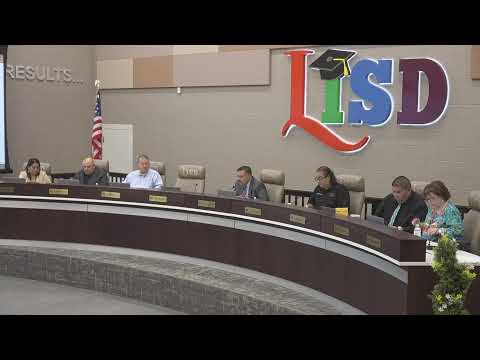
During a May 29 budget workshop, district staff presented models showing how House Bill 2 funding and local pay-structure changes could be used for teacher and staff raises; trustees asked staff to produce clear, implementable dollar scenarios before the next meeting.
LAREDO ' Laredo ISD trustees spent much of their May 29 workshop reviewing how recently passed state budget language (House Bill 2, not yet signed at the time of presentation) and local pay-structure proposals could translate into raises and other budget priorities for the 2025'1026 fiscal year.
Finance staff provided a side-by-side handout and explained preliminary estimates. The district's modeling shows that under the enrolled House Bill 2 calculations available to staff, the district would see an estimated increase in maintenance and operations revenue on the order of several million dollars. Staff cautioned that the legislature's final rules for applying the new funds must be released before precise allocations can be determined.
Trustees and staff reviewed specific compensation models prepared with assistance from TASB consultant Luz Cadena and HR staff Gabby Rogerio. Rogerio presented a model that raises minimum pay levels across multiple operational and instructional pay grades and showed a full-model cost of roughly $10.9 million for a package that included a $1 increase in minimums (moving a $11 minimum to $12) and step/progression adjustments for teachers and other staff. Rogerio also described the pay-grade structure across administrative, instructional-support and operations roles so trustees could see which job families would be affected.
Trustees discussed the allocation of state allotments. Finance staff explained the "total compensation increase requirement" in the proposed bill includes specific allotments for classroom teacher retention (with tiered amounts by years of experience) and a support-staff retention allotment. Trustee Juan Ramirez asked for clarification on how much of the allocated state money must be used for teachers versus other staff; staff responded those figures are spelled out in the bill and that more precise modeling will be provided once the applicable rule language is released.
Board members expressed competing priorities: several trustees emphasized minimizing employee out-of-pocket health premium increases while also seeking meaningful pay increases for teachers and operational staff. Trustee Monica Ranjel Garcia pressed for clear, simple figures: "We need to start putting this is where we stand," and asked staff to present a draft compensation plan for trustee review on a tight timeline.
Operational issues also surfaced. Trustees and staff discussed pay, staffing and scheduling for the LISD police force; trustees asked whether security officers could be scheduled with a working lunch or receive compensation for being available during lunch because officers may be required to respond to incidents when students are present. Police and HR staff said overtime and schedule adjustments are possible and would be addressed administratively.
Enrollment and projection concerns arose as well. Finance staff said the district's 10-year enrollment projection and monthly attendance monitoring are being used to estimate future revenues; staff presented an AI-assisted 10-year projection that staff described as an input, not a binding forecast.
Next steps: Staff will return with precise dollar estimates, including (1) a recommended district contribution increase to cover the health-plan shortfall if trustees choose that route, (2) compensation packages sized to the amount of available new state funding and district set-asides, and (3) any recommended budget amendments for trustee consideration. Trustees requested a clear, simple presentation of those options at the next workshop to allow timely decisions ahead of budget publication deadlines.
Ending: Trustees did not take formal votes at the workshop; instead they instructed staff to refine models and figures and come back with implementable proposals.