Get Full Government Meeting Transcripts, Videos, & Alerts Forever!
Get email alerts on the Employee Benefits topic
No spam. Unsubscribe anytime.
Laredo ISD health plan faces multimillion-dollar shortfall; trustees told district may need to raise contribution
Summary
Consultants from HUB International told Laredo ISD trustees the district's employee health plan is running a deficit driven by large medical and pharmacy claims, with a low fund balance and projections that could leave the plan in the red by June and deepen deficits next fiscal year.
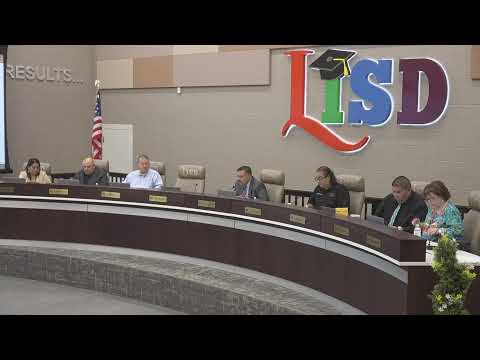
LAREDO ' Laredo ISD trustees heard on May 29 that the district's self-funded health plan is under fiscal strain and projected to run deficits unless changes are made to contributions or plan design.
Hub International account executive Liz Bebo summarized the consultants' analysis, saying the district's plan has been hit by high-cost medical claimants and rising pharmacy costs, including specialty drugs. "When the budget was set, we were using a higher number of employees and therefore projecting a higher contribution rate," Bebo said, adding the district's average per-employee-per-month paid claims for the fiscal year were "$817.60." She also reported that stop-loss reimbursements reduced net paid claims.
Why it matters: Trustees were told the district's current contribution strategy does not fully pay for expected claims. That gap has been covered to date by the health plan fund, but staff warned the fund balance is small and likely insufficient to cover rising costs through the next reporting periods.
At the workshop, Finance staff and the consultants gave several specific figures. The health plan fund balance "as of April" was cited as $1,500,000. Consultants and staff gave multiple deficit projections depending on the time frame and assumptions: a projected fiscal-year shortfall running into the low millions by June 30 and, if contributions and plan design remain unchanged, a larger shortfall through the July 2025'June 2026 fiscal year that consultants characterized as roughly $6 million. "If you have expenses that are trending, you know, in the 10 to 15% and your revenues or contributions are not increasing, that is going to continue to create the deficits," a HUB presenter said.
Trustees asked how long the fund would cover deficits. The consultant answered that the available fund balance was "low" and that "by the end of June 30, it may end up in the red and even in a greater deficit by December based on the projections." Finance staff said they would bring exact fund-balance numbers and funding options back to trustees at the next budget workshop.
Options discussed included increasing district contributions, increasing employee cost shares, or altering plan design (for example by increasing deductibles or out-of-pocket maximums). Trustee Monica Ranjel Garcia pressed for minimizing employee contribution increases: "We have not provided raises to our employees, so they don't have money" and recommended the district absorb more of the cost where possible. Finance staff said their planning assumption at this workshop was to increase the district contribution so employees would not bear added cost; staff will return with dollar estimates and proposals.
Consultants flagged pharmacy trend drivers tied to specialty medications and increased utilization. They noted the plan receives a monthly pharmacy rebate credit reflected on the administrative invoice; that credit is included in the cost projections. Consultants also called out large claim events and cancer treatments as major upward drivers of medical expense.
Trustees directed staff to return with precise budget figures and proposals for how to cover the near-term shortfall and options for the 2025'1026 budget, including the amounts the district would need to add to contributions under different scenarios. Superintendent Dr. Rios and finance staff said they would present specific contribution-dollar scenarios and whether a budget amendment would be necessary at a future meeting.
Ending: The board set follow-up work: staff will provide exact fund-balance figures, populate contribution-increase scenarios, and return with a recommendation at the next scheduled budget workshop so trustees can consider whether to increase district contributions, change plan design, or share costs with employees.