Get Full Government Meeting Transcripts, Videos, & Alerts Forever!
Get email alerts on the Program Evaluation topic
No spam. Unsubscribe anytime.
Milwaukee County staff outline methods to evaluate youth programs, cite ARPA-funded examples
Summary
County evaluation analyst Jonathan Zuniga described program-evaluation methods—surveys, interviews, focus groups and observation—and used local projects funded with ARPA dollars as examples, including Burnham Park futsal courts, Walkers Point Youth and Family Center mental-health positions and King Community Center exterior improvements.
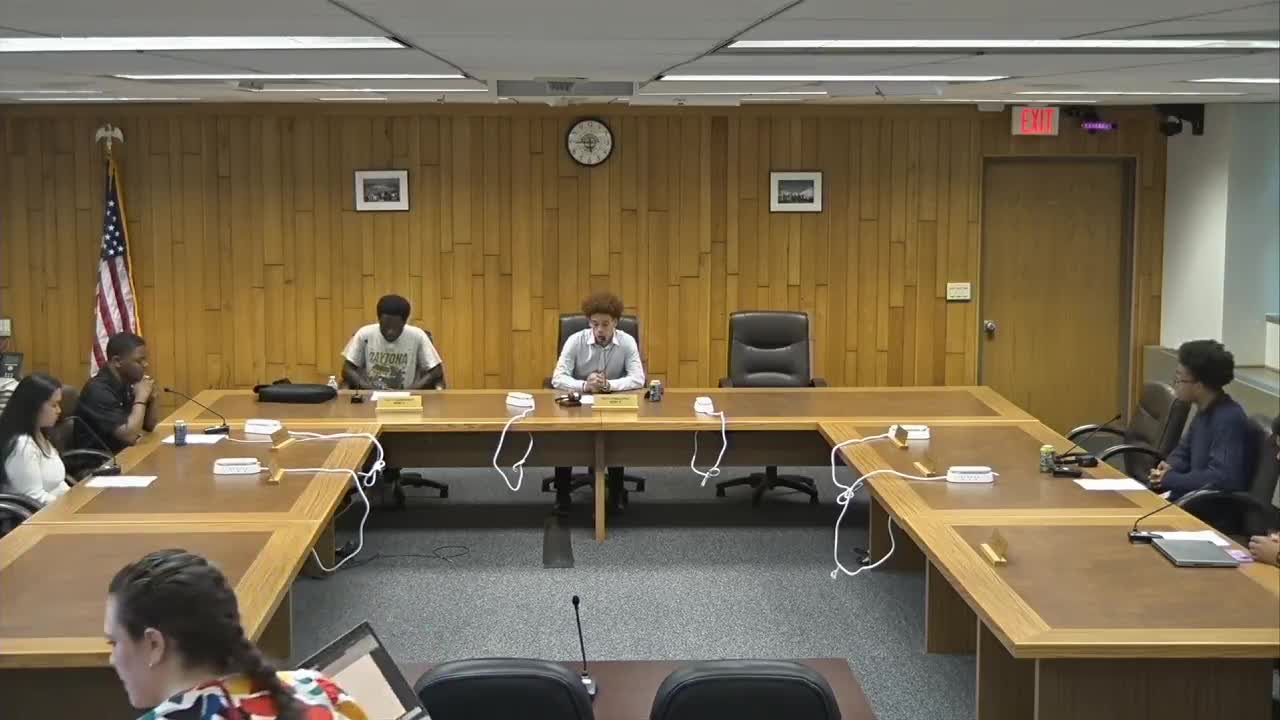
Jonathan Zuniga, program and evaluation analyst in the Office of Strategy, Budget and Performance for Milwaukee County, gave an informational presentation on June 11 about how the county evaluates programs and policies.
Zuniga said evaluation asks whether “this program [is] doing what it was set out to do,” whether it is doing it well and whether the resources invested are justified. He described common methods—surveys, interviews, focus groups, statistical analysis and observation—and urged measuring both outputs (for example, number served) and outcomes (the program’s impact on well-being). “Is this program doing what it was set out to do? Is it doing it well? Is it worth the resources being invested?” Zuniga said.
Zuniga used recent, local projects as examples. He described converting abandoned Burnham Park tennis courts into futsal courts after a community campaign and roughly $100,000 in fundraising to cover the conversion; he noted the park area had seen roughly $3,500,000 in broader investments. He also discussed two American Rescue Plan Act (ARPA)–funded youth projects: a Walker’s Point Youth and Family Center effort the county supported to maintain mental-health services and add two licensed professional counselor positions, and an exterior-improvement project at the King Community Center intended to boost energy efficiency, increase visits and improve health outcomes for the community served.
Commissioners pressed for concrete measures. Commissioner Cocksfield and others recommended tracking counts of users before and after projects and surveying or interviewing youth who use the services. Commissioner Silke suggested targeted interviews of demographic groups. Commissioners also asked about measuring outcomes such as membership increases at community centers and changes in perceived neighborhood safety.
Zuniga said evaluation work will include comparing pre- and post-project survey data and conducting focus groups and observations. He indicated he will support county staff—naming Julia and Bess—from the Office of Strategy, Budget and Performance on these efforts. The presentation was informational; no formal vote or directive followed.
Zuniga began the role recently and framed evaluation as part research, part community engagement: collecting resident feedback, comparing before-and-after data and measuring whether projects produced intended safety or health outcomes.
The county identified ARPA as the funding source for the cited youth projects; Zuniga emphasized that evaluation findings could inform whether to continue, expand or end programs.