Get Full Government Meeting Transcripts, Videos, & Alerts Forever!
Get email alerts on the Land Use Moratorium topic
No spam. Unsubscribe anytime.
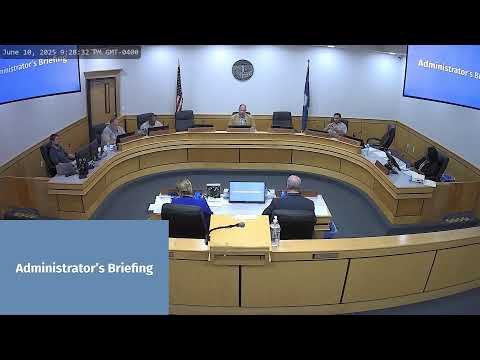
Kershaw County Council advances moratorium on subdivisions after weeks of debate
Summary
On second reading June 10, Kershaw County Council approved a six-month temporary moratorium on subdivisions after extended debate over whether minor (small) subdivisions should be included. Council members said they expect to refine the measure before third reading.
Kershaw County Council on June 10 advanced a six-month temporary moratorium on subdivisions in the county, approving second reading after hours of public comment and council debate about whether the restriction should cover only major subdivisions or also smaller, family and local-builder parcels.
Councilman Jimmy Jones, who placed the moratorium on the agenda, framed the proposal as a tool to give staff time to finish a comprehensive plan update and review the county’s land-use ordinance. "When I first made my proposal, it was, major subdivisions only," Jones said during discussion, adding he supported carrying the issue forward to allow further conversation.
The moratorium measure passed second reading with explicit votes recorded: remote council member Russell Bridal (voting yes), and in-person votes recorded in favor from Councilmen Brent Shoemake, Chairman Connell, Brent Tomlinson and Jimmy Jones; Councilman Tucker voted no. After the vote Shoemake said council members were working on a compromise to narrow the definition of “small subdivision” and to seek amendments before third reading: "We're advancing second reading tonight as is...we might amend on third reading the ordinance into a major-subdivision-only moratorium," he said.
Why it matters: supporters said the pause is intended to allow completion of a capital improvements plan, update the comprehensive plan and land-use ordinance, and explore impact fees and other tools to manage growth and public costs. Opponents and some small-business builders warned the moratorium could harm property rights and local, small-scale builders who rely on minor subdivisions to retire or to sell parcels.
Public comment reflected that split. Builder David Dabney described how small-lot and rural-home construction operate without connecting to sewer and asked the council to tailor any pause narrowly to avoid harming local builders. "We will take 45 acres and divide it into 9 lots…most of those lots, we don't have any infrastructure," Dabney said, asking the council to consider which areas are most affected.
Council discussion focused on scope and timing. Several council members said they favor limiting the moratorium to major subdivisions (commonly defined in the conversation as 10 or more homes) or otherwise narrowing the geographic scope to high-growth corridors or areas near sewer lines. Councilman Jones said he voted to advance the ordinance to allow further negotiations and compromise: "My intention was to vote against it tonight because I don't like what was presented... But after talking with these guys... I am voting on this tonight just to carry it through only to keep the conversation going."
Next steps: Council members said they expect staff and the planning commission to provide additional analysis and possible redraft language. The council scheduled a public hearing for July 8 and signaled third reading would be July 22 to allow required public-notice steps and time for amendments. A contingent legal review and procurement considerations were discussed earlier in the meeting; county attorneys and planning commission leadership were invited into executive session for legal advice.
Context and limits: The moratorium as advanced is at second reading and not final policy. Council members repeatedly emphasized their intent to refine the ordinance before third reading. The transcript records the votes and debate above; the article does not infer intent beyond those statements.