Get Full Government Meeting Transcripts, Videos, & Alerts Forever!
Get email alerts on the Blind Pedestrian Protections topic
No spam. Unsubscribe anytime.
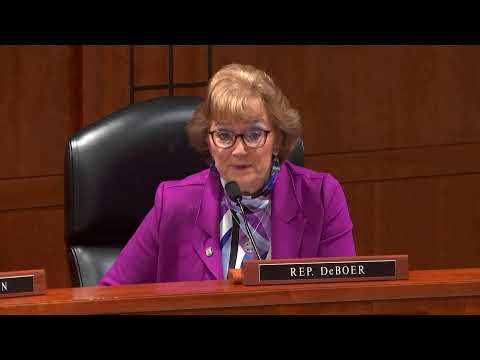
House committee adopts amendments to toughen penalties for drivers who injure or kill blind pedestrians and service animals
Summary
Lawmakers adopted amendments to House Bills 45‑27 and 45‑28 to raise felony exposure to 15 years for gross negligence causing the death of a blind person; sponsors and blind advocates, including the sponsor's son, testified on safety concerns including electric‑vehicle risks.
The Michigan House Health Policy Committee on a unanimous vote adopted amendments to House Bills 45‑27 and 45‑28 that change the statutory penalty for gross negligence causing the death of a blind person from 10 years to 15 years, aligning the penalty with other Class C felonies.
Representative VanderWaal, the bill sponsor, said the legislation “modernizes and strengthens” legal protections for blind pedestrians who use canes, walkers or service animals. He told the committee that when a driver’s gross negligence causes the death of a blind person the bill would make that conduct a Class C felony punishable by up to 15 years in prison. Representative VanderWaal also said killing a leader dog intentionally or through gross negligence would be a felony with a top penalty of five years.
Representative Tisdale and other members noted Leader Dogs for the Blind, based in Rochester Hills, invests more than $60,000 per dog for training and that recipients typically are on campus for about three weeks for individualized instruction. Committee members referenced that investment and the “opportunity cost” in supporting the decision to seek a stiffer penalty comparable to other property and public‑safety Class C felonies.
The committee heard emotional testimony from Nick Vanderwall, identified as a youth transition specialist with Disability Advocates of Kent County and the sponsor’s son, who is blind and uses a leader dog named Doc. “They are a way for people to get around,” Vanderwall said. He described multiple incidents in which quiet vehicles — notably electric vehicles and cars with automatic stop/start systems — reduced audible cues pedestrians with vision loss rely on, increasing the risk of collisions. He recounted an episode where an electric vehicle passed him on a snowy night and was not audible until after it passed.
Members praised the testimony and discussed how vehicle noise and backup beepers affect situational awareness. Representative Meerman asked whether similar penalties exist for other animal‑related offenses; members agreed that comparing the bills to existing Class C felonies (for example, second‑degree arson) informed the chosen penalty range.
On procedure, Representative Tisdale moved and the committee recorded a 15‑0 roll call to adopt the amendment to HB 45‑27; Representative Frisbie moved and the committee recorded a 15‑0 roll call to adopt the amendment to HB 45‑28. The committee then took testimony on the bills; no final vote to report the bills to the floor is recorded in the hearing transcript provided.
The committee went to recess after members’ questions and resumed for further testimony; additional legislative steps were not recorded in the transcript.