Get Full Government Meeting Transcripts, Videos, & Alerts Forever!
Get email alerts on the Parking Enforcement topic
No spam. Unsubscribe anytime.
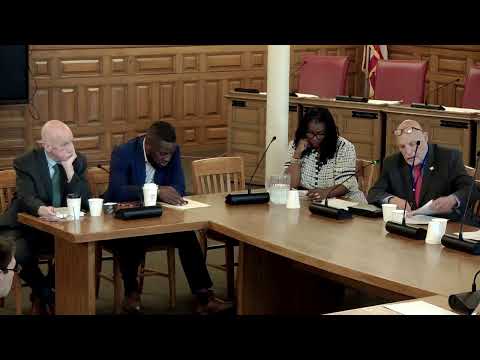
Syracuse City finance committee reviews Paylock contract, weighing fee and enforcement changes
Summary
City finance staff reviewed options to renew and amend the Paylock booting contract, including raising some customer fees, shifting credit-card convenience charges to payers, expanding booting to automated enforcement tickets and testing on-vehicle notices; no formal vote was taken.
Syracuse City finance officials reviewed options to extend the city’s contract with Paylock and discussed new enforcement and fee arrangements intended to reduce the city’s operating costs while maintaining parking collections.
The meeting, held by the Syracuse City Finance Committee, centered on whether to renew Paylock’s contract and on proposed contract amendments that could change the boot fee, shift some payment processing costs to vehicle owners, add fees for late or damaged boots, and expand booting to tickets from automated enforcement such as school-zone and red-light cameras.
“The purpose of this meeting is to evaluate current and prospective parking enforcement vendors and determine the most cost effective and efficient path forward,” Mike Cannizzaro, Commissioner of Finance, said in opening remarks.
Deputy Commissioner of Finance Vicki Voss outlined the contract history and recent performance. Paylock has provided booting and related services to Syracuse since 2008 and developed an automated process that consolidated DMV records by registered owner, which staff said increased boot revenue and reduced staff time spent merging accounts. Voss noted that Paylock-collected revenue was $733,000 in 2022, dipped in 2023, and — based on the first four months of the current year — staff project it could exceed $800,000. She added that Paylock contributes about 19–22% of the city’s total parking-ticket collections.
Voss and Cannizzaro described the city’s current cost structure: the registered vehicle owner pays a $50 boot fee, while the city pays a contingency (service) fee to the vendor. Staff said the city’s contingency fee was 28% in 2023 (about $213,000), and roughly $162,000–$168,000 the previous year. Those contingency payments are charged to the City Payment Center operating budget.
To reduce the city’s expense without large increases to the boot fee, Paylock proposed several alternatives. One option would shift the credit-card convenience fee (about 3.5%) from the city to the ticket payer. Another option would add or raise late, lost or damaged-boot charges: Voss summarized proposed late fees rising from $25 to $50, a $400 repair fee for damaged boots and a $1,000 replacement charge if a boot cannot be repaired. Under one priced scenario staff labeled the “lowest option with existing services,” the boot fee would rise to $70 and the contingency fee to the city would fall to 15%.
Staff also presented a volume-based pricing scenario tied to expanded enforcement. If Paylock handles both existing bootable parking scofflaw accounts and new automated-enforcement tickets (school-bus arm violations, school-zone red-light and speeding cameras), projected monthly boot volumes could rise into the 300–400 range. That higher volume, Voss said, could enable a $60 boot fee and reduce the vendor contingency to as little as 10% in months where volume thresholds are met. Voss said Paylock proposed monthly reviews of volume to determine the contingency rate.
Leah Whitmer, director and chief administrative law judge for the Municipal Violations Bureau, said the city currently has no enforcement mechanism for automated-enforcement citations that do not produce an on-vehicle ticket. “If we were to examine making these tickets bootable, pushing them to the scofflaw files, that we would recommend an amendment to the local ordinance for the parking violations bureau,” Whitmer said, adding that automated tickets would follow similar notice and due-process steps used for parking citations unless the council amends local law to change thresholds or treatment.
Staff described operational details and comparisons to peer cities: Rochester uses Paylock at an $85 boot fee; Albany’s boot fee is $40 via the Albany Parking Authority; Buffalo’s is $45; Utica’s is $150; Yonkers’ $75. Staff said Syracuse’s current fee level is at the lower end among municipalities that do not operate a parking authority.
Committee members asked about enforcement volume and current activity. Voss said Paylock put out more than 200 boots last month. Committee discussion covered a possible limited amnesty program (staff recalled a 2019–2020 amnesty that produced a revenue bump of a “couple million dollars”), whether on-vehicle notices (a proposed $25 per notice charge) would be effective, and the liability and costs of running booting in-house instead of using a third-party vendor (staff said purchasing boot devices and operating them directly would require capital outlays and administrative support, including vehicles and staff safety measures).
No formal motion to renew the contract was made at the meeting. Staff presented options including a typical three-year renewal, a one-year trial, or contract addenda to add on-vehicle notices and automated-enforcement handling. Cannizzaro said the administration will continue exploring collection firms, ordinance language for automated tickets, a possible amnesty after July and the vendor pricing scenarios presented, and return with more analysis.
Next steps listed by staff included further analysis of automated-enforcement volumes, drafting any ordinance amendments needed to make automated tickets bootable, and developing a detailed fiscal comparison of the pricing scenarios before the committee decides on a renewal term or specific amendments.