Lifetime Citizen Portal Access — AI Briefings, Alerts & Unlimited Follows
U.N. warns of attacks on humanitarian operations in Sudan, surge in violence in South Sudan; West Bank and Haiti face worsening needs
Loading...
Summary
The U.N. said repeated shelling damaged World Food Programme premises in Sudan, marking a dangerous trend of attacks on aid; in South Sudan, at least 26 civilians were reportedly killed in an intercommunal attack. The West Bank has seen rising settler violence, and Haiti faces an above-average hurricane season and large funding shortfalls.
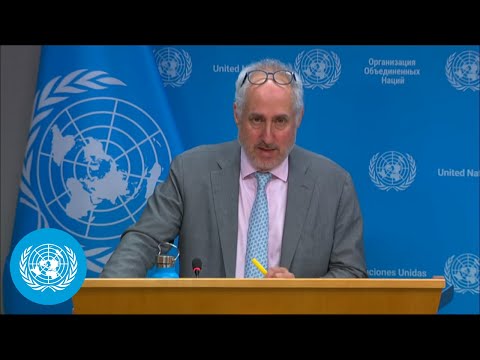
U.N. officials told reporters Friday that humanitarian operations in several countries are under severe strain: World Food Programme premises in Sudan were damaged by shelling, intercommunal violence in South Sudan killed dozens, and other crises continue to worsen in the West Bank and Haiti.
On Sudan, the U.N. said it was "shocked and alarmed" after repeated shelling damaged WFP premises in Al Fashir (transcript: Al Fosho). WFP reported that its staff were safe and accounted for, the U.N. said, and reiterated that humanitarian staff, assets and supplies should never be targeted.
The briefing said famine has been confirmed in 10 locations in Sudan, including areas of North Darfur and Zamzam camp, with another 17 areas at risk. The U.N. said the only path forward is an immediate end to hostilities, and that funding and access constraints make it difficult to scale up lifesaving assistance.
In South Sudan, the U.N. peacekeeping mission reported a surge in intercommunal violence in Tonj East, Warrap state, where, on May 29, armed youths attacked a community, reportedly killing at least 26 civilians, injuring about 30 and burning some 35 homes. Thousands were displaced, the U.N. said; peacekeeping patrols have been intensified and the mission held urgent discussions with local leaders.
In the West Bank, U.N. monitoring showed rising Israeli settler violence; the briefing cited more than 220 Palestinians injured so far this year, an average of about 44 per month and the highest rate in two decades. Movement restrictions imposed by Israeli authorities were said to disrupt access to health care, education and livelihoods for nearly 90,000 people in parts of the northern West Bank.
Turning to Latin America and the Caribbean, the U.N.'s Office for the Coordination of Humanitarian Affairs warned that the 2025 hurricane season is expected to be well above average and that Haiti remains particularly vulnerable. The briefing said more than one million people in Haiti are displaced by conflict and insecurity; roughly 200,000 of them live in displacement sites, many in flood-prone areas lacking adequate shelter and sanitation. Of the $908 million requested under Haiti’s humanitarian response plan, the U.N. said only 8% (about $72 million) had been funded.
The U.N. emphasized that limited funding, access constraints and direct attacks on humanitarian operations are undermining the ability to respond to fast-rising needs across multiple countries.