Get Full Government Meeting Transcripts, Videos, & Alerts Forever!
Get email alerts on the Class Size topic
No spam. Unsubscribe anytime.
Board approves collapsing sections including a first-grade classroom; teacher warns of larger class sizes
Summary
The Wyoming Area Board approved an education report on May 20 that included collapsing a first-grade classroom and several secondary sections; a first-grade teacher warned the change would raise class sizes to 27–28 and imperil student learning.
The Wyoming Area Board of Education adopted the education report at the May 20 meeting; one item (extracurricular appointments) was tabled and the board approved a motion that included collapsing classroom sections the administration proposed.
The education report read into the record included this action: "approve to collapse the following sections: first grade, science, physics, BC, IT at the secondary center." The board voted to adopt the education report with the specified collapses after tabling a separate item on extracurricular appointments.
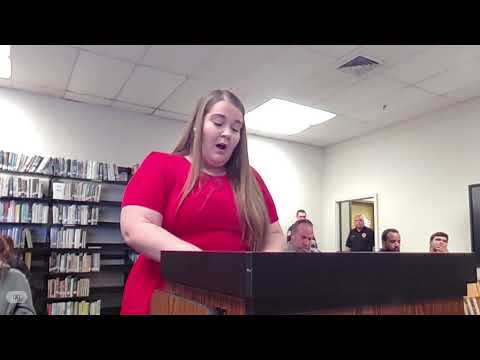
At public comment, Mariah Jensen, a first-grade teacher at the primary center, urged the board to reconsider collapsing a first-grade classroom. Jensen said typical first-grade classes at the district currently average about 20 to 23 students; with the collapse she said a single classroom could rise to 27 or 28 students. She testified that many classrooms already include multiple students with special education needs, several students below grade level, several English learners and students with significant behavioral or trauma-related needs.
"How is it expected to have one person teach with no aide and have all students master a skill?" Jensen asked. She described scenarios in which several students need small-group time while other students require immediate attention for sickness or behavior; Jensen said the additional students would increase the number of struggling students and could raise special-education costs over time. She called the proposed collapse a risk to instructional outcomes and to students' ability to meet reading standards.
During board discussion administrators said they are examining cost-saving options, including creating in-district autistic-support classes to reduce private out-of-district placements and offering incentives for early retirements; they also discussed efforts to attract students back from cyber programs. The board did not vote to reverse the collapsed sections at the May 20 meeting; the administration and board said further programmatic and budget decisions will be finalized as the budget process continues.
The board tabled and later passed other education-report items; the vote to adopt the remainder of the education report passed by roll call.