Get Full Government Meeting Transcripts, Videos, & Alerts Forever!
Get email alerts on the Budget Finance topic
No spam. Unsubscribe anytime.
Denton CFO warns of $6.3M shortfall this year, $14M preliminary gap for FY 2025-26
Summary
City finance staff told the Denton City Council the general fund is forecast to close this fiscal year with a deficit (midpoint $6.3 million) and outlined steps — vacancy management, spending reductions and 0‑based budgeting — intended to close this year’s gap and narrow a preliminary $14 million shortfall next year.
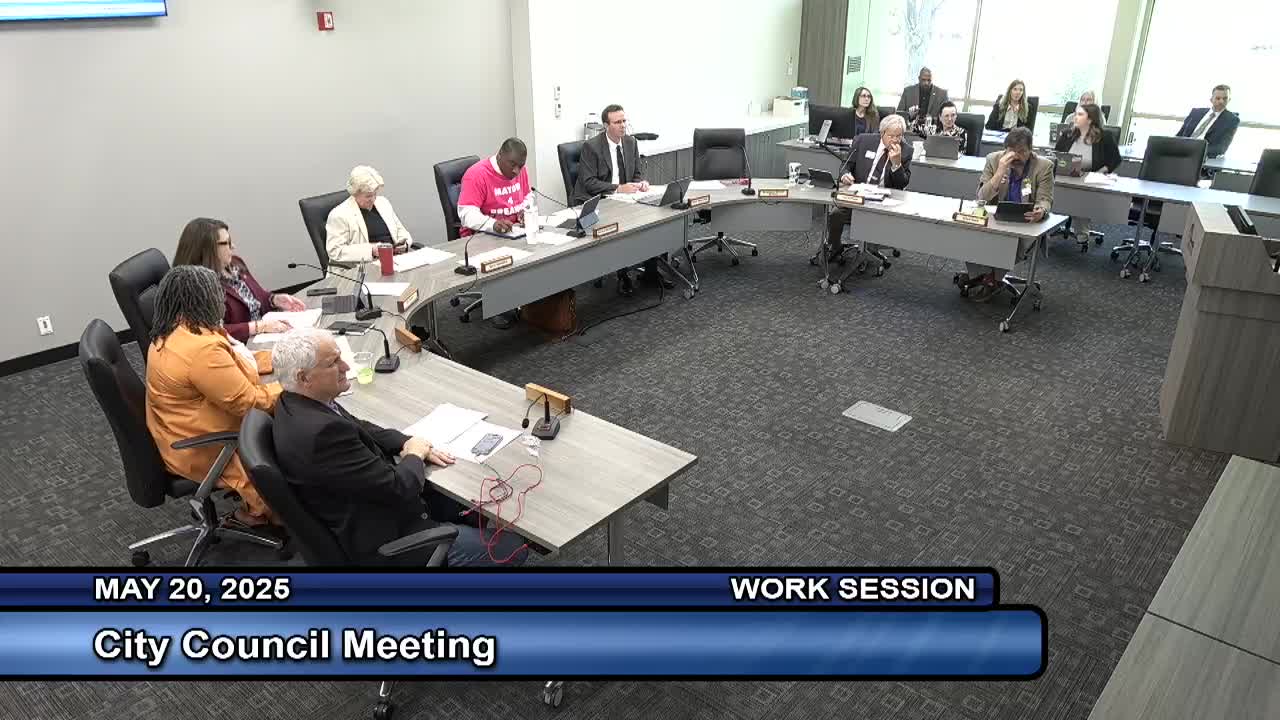
Jessica Williams, Denton’s chief financial officer, told the City Council on May 20 that the city’s general fund is forecast to finish the current fiscal year with a net operating deficit and outlined mitigation steps and next‑steps for the council.
Williams, speaking at the work session, said the year‑to‑date position through March 31 shows revenue shortfalls and higher personnel costs. The city’s current forecast range for the fiscal year end deficit is $2 million to $8 million; the midpoint of the forecast reported to council was $6.3 million.
City staff said the shortfall is driven by revenue pressure and personnel costs. On the revenue side, property and sales taxes have softened: staff said property tax collections are running below budget partly because of levy adjustments and successful owner protests, and sales tax receipts have slowed over the last three months. Building permits, franchise fees and some intergovernmental reimbursements are also below earlier expectations.
On the expenditure side, Williams said the city is largely staffed across departments and is seeing reduced “salary savings” compared with prior years when unfilled posts produced $1 million–$2.5 million in savings. Police and fire overtime remain primary drivers of personnel costs; Parks and Recreation seasonality and some capital and utility cost drivers were also cited.
Why it matters: staff said the combination of slower revenue growth and higher personnel spending produces a projected net general‑fund loss. At the time of the presentation, staff estimated next fiscal year’s preliminary gap at about $14 million without supplemental or compensation packages.
What staff are doing now: Williams said the city has moved from quarterly to monthly financial reporting, implemented a managed‑vacancy program to hold open certain positions, asked departments to trim discretionary spending (target 3 percent), begun zero‑based budgeting for the coming year and is reviewing capital project timing. The finance office also said it is working with the city auditor on a debt evaluation and will return with more detailed revenue and expenditure scenarios this summer. A reduced notice of intent for a planned certificate of obligation issuance was also noted — an $130 million reduction from earlier assumptions — and staff said they intend to pursue federal WIFIA funding for some water projects to reduce bond issuance.
Council questions and next steps: Council members pressed staff about options to restructure programs, which services are “core,” and where capital and operating flexibility exists. Williams and other staff said they will return frequently through the summer with updates: finance and budget workshops have been scheduled in June, July and August ahead of adoption of the budget and tax rate in September. Williams said the preliminary calendar includes special‑event fees (June 3), additional budget reviews (June 17), the capital improvement program (July 15), utility budgets and rates (July 22) and a budget workshop (Aug. 9).
Details staff provided during the meeting include: - Estimated current‑year deficit range: $2,000,000–$8,000,000; midpoint presented: $6,300,000 (figures are point‑in‑time projections based on March 31 results). - Preliminary FY 2025–26 general‑fund shortfall presented to council: about $14,000,000 (staff said this excludes any supplemental requests or compensation adjustments). - Historical vacancy savings the city has used for budgeting: roughly $1,000,000–$2,500,000 annually; staff said they will not assume similar vacancy savings going forward. - Anticipated savings from managed vacancy program: staff estimated approximately $2,200,000 in potential savings from holding selected vacancies open.
The presentation stressed staff confidence in the monthly forecasting approach but noted several risks: federal reimbursements (intergovernmental revenue), continued sales‑tax weakness and wage/benefit inflation for next year. Williams told council that the finance team will return with additional detail and that staff plan to pursue a balanced budget through a mix of spending reductions, rightsizing, targeted capital deferrals and alternative revenue options.
Ending: Williams said she and her team will appear frequently before council this summer to refine revenue and expenditure estimates and present specific proposals. The council scheduled multiple follow‑up meetings; the budget adoption is planned for September.