Get Full Government Meeting Transcripts, Videos, & Alerts Forever!
Get email alerts on the Ai Surveillance topic
No spam. Unsubscribe anytime.
Residents warn against Flock Safety AI surveillance; cite privacy, funding and legal risks
Summary
Dozens of public commenters urged the council to reject or delay a proposal to deploy Flock Safety AI surveillance, raising privacy, racial-bias, domestic‑violence and funding concerns and asking the council to redirect public-safety aid to victim services.
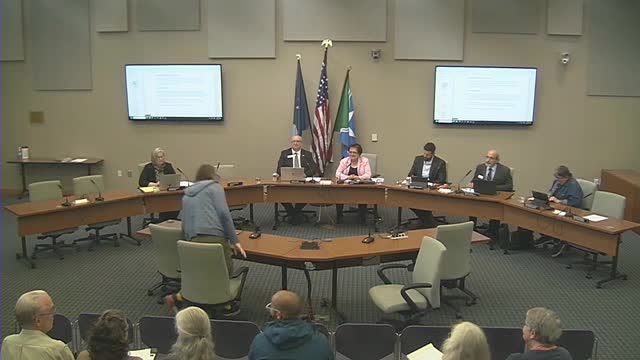
More than a half-dozen residents urged the Mankato City Council on May 27 to reject or delay a proposal to adopt Flock Safety AI surveillance technology for local public safety, raising concerns about privacy, racial bias, domestic violence risk, legal liability and alternative uses of available grant funds.
Multiple speakers said the Department of Public Safety’s proposal would use $130,000 from the 2023 public safety aid fund and argued that money could be better spent on victim services and prevention programs. "This money is coming directly from a fund that could instead be used for victim services," said a commenter who identified herself as Ava and referenced local domestic-violence service shortfalls. Several speakers cited CADA (local domestic violence assistance) and other service providers as eligible and underfunded uses of the aid.
Commenters raised technical and legal concerns about the vendor and the system. Natalia Orosio and others pointed to ongoing lawsuits in other jurisdictions involving Flock Safety and warned that installing such a system could expose the city to litigation. "This proposal involves partnering with Flock Safety, a private company whose surveillance systems are already the source of ongoing lawsuits," Orosio said.
Speakers also highlighted risks that surveillance data could be accessed improperly by local personnel or by outside agencies. Cole Coutts, who said he represents students and community members, noted prior local incidents and broader reports of law enforcement misuse of personal data. "The combination of the high rate of police officers who commit domestic violence, widespread and frequent... instances of law enforcement officers illegally accessing personal data, and the limitations of audits... cannot override these factual and consistent realities," Coutts said.
Public commenters asked the council for clearer public engagement and better answers from police on environmental impacts, data security, potential cooperation with federal immigration enforcement and alternatives for the public-safety aid. One commenter summarized outreach, saying 54 constituents emailed the council with concerns and that follow‑up queries had received little formal response.
City staff told the council the item would be discussed at an upcoming work session on June 2, during which the city and school district will present public-safety technology materials. The May 27 meeting included the public forum only; no final council vote on the Flock proposal occurred that evening.