Get Full Government Meeting Transcripts, Videos, & Alerts Forever!
Get email alerts on the Racial Social Equity Plan topic
No spam. Unsubscribe anytime.
Planning Commission adopts phase‑2 of racial and social equity action plan; staff to publish monitoring metrics
Summary
The Planning Commission voted unanimously to adopt phase 2 of the department’s racial and social equity action plan, endorsing strategies for equitable housing, cultural preservation, environmental justice and community‑centered engagement and directing staff to publish monitoring metrics and an equity dashboard.
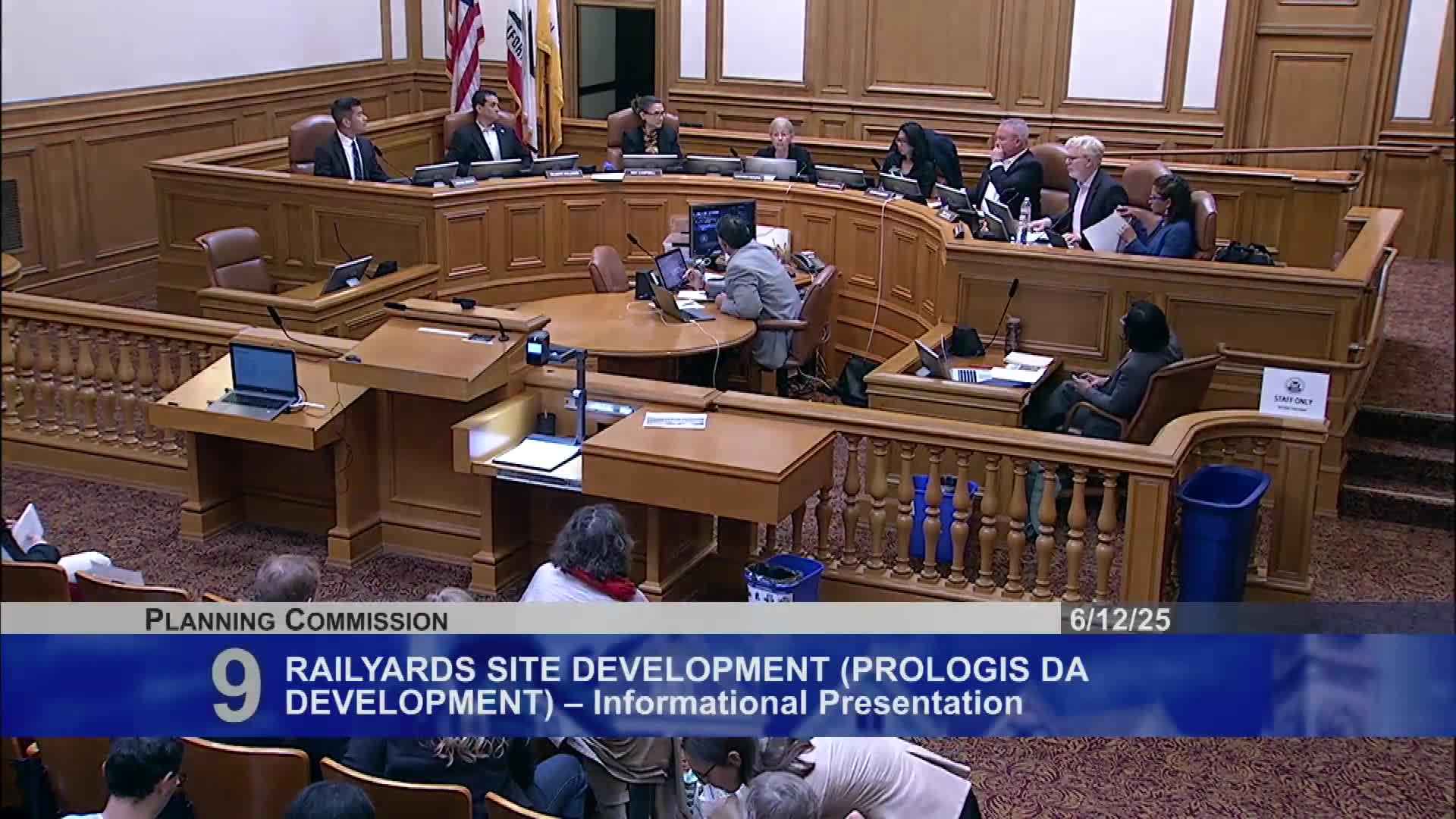
The San Francisco Planning Commission on Thursday unanimously adopted phase‑2 strategies of the department’s racial and social equity action plan, approving a package of actions that staff said will move the program from planning into implementation, monitoring and community‑facing tools.
The vote: Commissioner Joseph Campbell moved to adopt phase‑2 strategies; the motion passed 6‑0 with Commissioners Campbell, McGarry, Williams, Braun, Imperial and Chair Moore voting aye.
What was approved: Phase‑2 focuses on external, community‑facing commitments in four broad areas — equitable housing (including steps to support the Housing Element implementation), cultural preservation and cultural districts, environmental justice and an equitable downtown recovery — alongside community‑engagement strategies, staff training, and data tools. The department committed to publishing a public equity dashboard and to 1‑, 3‑ and 5‑year progress checkpoints.
Why it matters: City ordinance requires agencies to develop racial and social equity plans; the Planning Department’s phase‑2 moves beyond internal personnel changes toward concrete, externally applied tools the department will use when reviewing projects, writing code and engaging neighborhoods. Staff said the plan prioritizes actions that are feasible with existing staff, defines measurable deliverables and clarifies which outcomes the department can directly control.
Staff presentation and community input: Carla De Mesa, who leads the department’s Community Equity Division, told commissioners the plan reflects extensive outreach, an internal equity council and revisions based on commissioner feedback. Division directors outlined how equity actions will be folded into existing programs: Rachel Tanner (Citywide/long‑range planning) cited housing element rezoning and neighborhood resilience projects; Liz Waddy (Current Planning) described historic‑context statements and a planning‑code equity audit; Lisa Gibson (Environmental Planning) described targeted mitigation outreach and streamlined tribal consultation proposals. William Cartagena, a member of the Community Equity Advisory Council, urged the commission to institutionalize the changes so they outlast personnel or mayoral transitions.
Public support and concerns: More than a dozen community organizations — Friendship House Association of American Indians, Mission Economic Development Agency, Neighborhoods United San Francisco, housing advocates and small‑business groups — addressed the commission in favor of adoption. Speakers asked the commission to prioritize durable funding and to ensure results reach the most affected neighborhoods (Fillmore, Tenderloin, Bayview, Mission and cultural districts). Several commenters pressed for strong, enforceable affordable‑housing outcomes when the department supports rezoning or incentivizes development.
Implementation and accountability: Staff said they will publish the full plan and the equity dashboard this summer and that phase‑2 actions will be evaluated at 1‑, 3‑ and 5‑year milestones. The plan includes a pilot neighborhood data hub and staff training to “consistently” apply equity tools across divisions.
Commissioners’ response: Commissioners from across the board praised the work, thanked staff and community council members, and emphasized the need for stable budgetary support to implement the strategies. Several commissioners said they will watch implementation at the 2‑ and 5‑year checkpoints.
What to watch next: Staff expects to post the full plan and dashboard in the summer and to begin monitoring implementation; commissioners and the equity advisory council will use future meetings to evaluate progress and may seek budgetary priorities with the mayor’s office to fund the plan’s actions.
Ending note: Commissioners described the adoption as a significant institutional step, but several commissioners and public speakers underscored that adoption is only the start — sustained funding, interagency coordination and transparent reporting will determine whether the plan changes outcomes in neighborhoods with concentrated need.