Lifetime Citizen Portal Access — AI Briefings, Alerts & Unlimited Follows
Budget hearing exposes split over Housing Production Trust Fund: preservation advocates press for steadier set‑asides
Loading...
Summary
Advocates at the Committee on Housing hearing pushed the council to increase or set aside larger shares of the Housing Production Trust Fund for preservation and deeply affordable units; developers and some small‑portfolio owners urged more production incentives to attract investment.
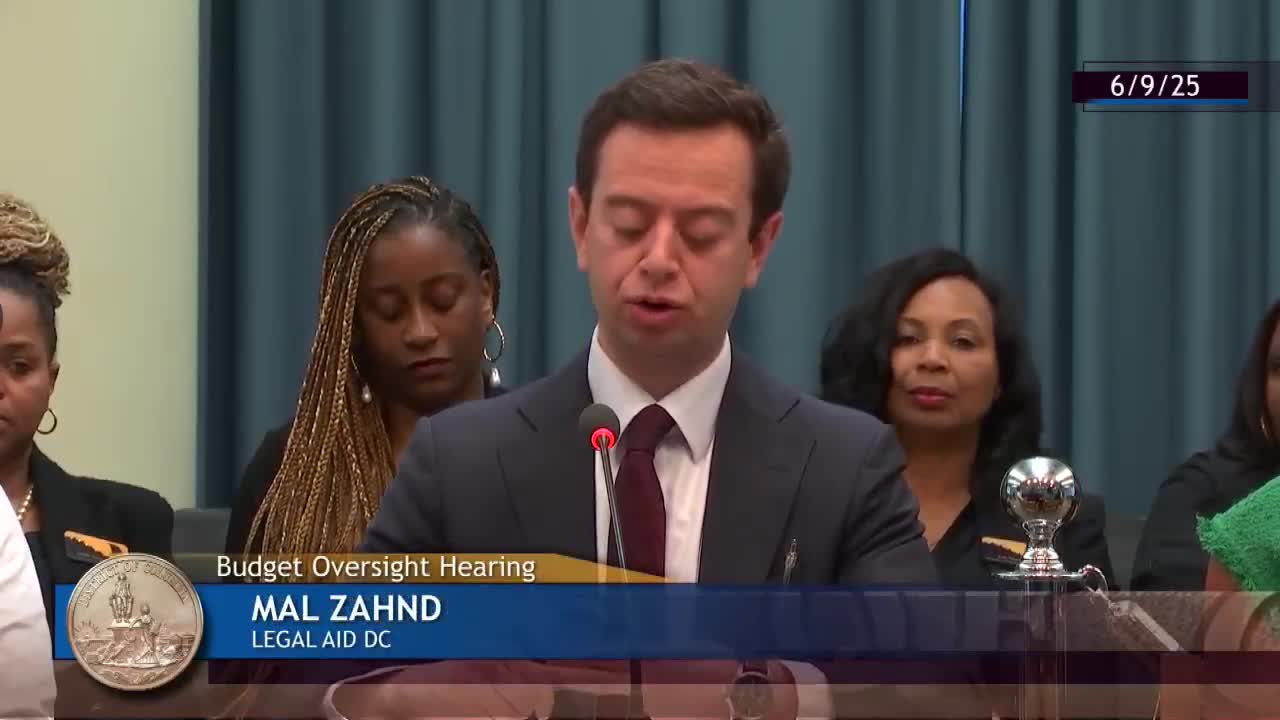
Members of the Committee on Housing heard competing plans on June 9 about how to use the Housing Production Trust Fund (HPTF), the District’s primary local subsidy for creating and preserving affordable housing.
Preservation advocates argued that a large share of HPTF money should be set aside for existing affordable units and for acquisition funds to preserve at‑risk buildings. Legal Aid DC and preservation groups urged that at least 30% of HPTF be reserved for preservation finance and that a separate, predictable right‑to‑purchase fund (FRPP) be established or expanded. Mel Zond of Legal Aid told the committee, “We can't afford to lose the precious affordable housing we currently have in DC,” and urged set‑asides for preservation and stronger transparency and competitive metrics for awardees.
Coalition groups and community development organizations likewise recommended increasing the HPTF to $110 million, with a carve‑out for existing portfolio needs and for loan takeouts of maturing preservation loans. Maya Brennan of the Coalition (formerly CNHED) proposed exact figures: $34.1 million for project‑based and sponsor‑based local rent supplement program (LRSP), $10 million for the Right to Purchase Program (FRPP) separated from HPTF, and $2.5 million for housing preservation fund takeouts of maturing loans.
Developers and industry groups told a different story. Representatives of the District of Columbia Building Industry Association and Newmark said predictable, market‑oriented rules and more transaction activity are needed to attract institutional buyers. Christine Espenschade of Newmark testified that lower sales volume in D.C. versus Northern Virginia meant a large shortfall in deed and recordation taxes that could have been captured by the District to support HPTF. Private developers urged aligning incentives, streamlining long timelines, and ensuring the HPTF supports transactions that result in both preservation and new production.
Several witnesses urged the committee to preserve not just a nominal HPTF number but also how HPTF is spent: prioritize projects that commit long‑term affordability covenants and require competitive selection and public metrics for awardees.
Ending: Committee members flagged preservation as an urgent priority while acknowledging competing calls for more production funding. The mayor’s proposal to restore HPTF to $100 million drew broad support during the hearing, but staff and witnesses recommended changes to allocation priorities and to ensure transparency and oversight.