Get Full Government Meeting Transcripts, Videos, & Alerts Forever!
Get email alerts on the Ageing Social Connection topic
No spam. Unsubscribe anytime.
Washington County’s Age Cafe brings social connection, targets ageism
Summary
Washington County’s Age Cafe program, led by the county’s Older Adult Behavioral Health Initiative with library and nonprofit partners, hosts monthly small-group conversations to reduce loneliness among older adults and promote positive views of aging, program staff and participants said.
Washington County’s Older Adult Behavioral Health Initiative and community partners run Age Cafe, a regular small‑group conversation series designed to reduce loneliness and promote positive beliefs about aging, program staff said.
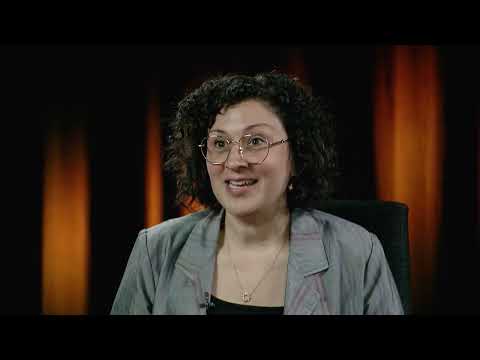
Kara Magarel, older adult behavioral health specialist with Washington County Disability, Aging and Veteran Services, said Age Cafe offers “small group conversations in a community setting” that anyone can attend and that the sessions often meet monthly at partner sites such as the Beaverton City Library.
The program matters, Magarel said, because loneliness and isolation worsen health outcomes for older adults. “We know that if we can address that loneliness and isolation and create more community, a sense of belonging, more connection, it actually helps us with improving our health outcomes throughout the lifespan,” Magarel said.
Age Cafe sessions are facilitated discussions on topics such as gratitude, intergenerational connection and fears about the future, Magarel said. She said Washington County’s Older Adult Behavioral Health Initiative works with aging services, behavioral health and public health through the county’s community health improvement plan and that the Age Cafe model began at the Beaverton City Library with partners including Viva Village and county staff.
Participants quoted in the program described concrete benefits. An Age Cafe participant said, “I’ve gotten more perspectives, different perspectives from people,” and another said the cafés help people feel “heard” and part of their community. One participant described the gatherings as opportunities to “express myself and to learn from them.”
Magarel said Age Cafe organizers have trained additional libraries, faith communities and culturally specific partners, and that the program has been replicated elsewhere in Oregon after the initiative received a grant last year to expand H Cafés; the transcript did not specify the grant amount. Magarel said the Age Cafe effort has been running for about six years.
The program also seeks to counter ageism and encourage “positive age beliefs.” Magarel cited research by Dr. Becca Levy showing that people who hold more positive beliefs about aging live longer on average; Magarel summarized the study as finding an average survival benefit of about 7.5 years for people with positive age beliefs. Magarel recommended community resources, including an age‑positive reading list available through Beaverton City Library and the book Breaking the Age Code by Dr. Becca Levy.
Magarel and participants emphasized that positive age beliefs do not require ignoring real challenges: the cafés aim to provide a nonjudgmental space where participants can share both struggles and sources of gratitude. The sessions, Magarel said, help broaden public views of aging beyond common stereotypes and offer practical advice for older adults to advocate for their health and wellbeing.
For people seeking more information, Magarel said the Beaverton City Library maintains an age‑positive reading list and that the county offers trainings and resources; specific contact details were not provided in the recording.