Get Full Government Meeting Transcripts, Videos, & Alerts Forever!
Get email alerts on the Municipal Code Enforcement topic
No spam. Unsubscribe anytime.
Sellersburg council urges stricter enforcement of trash-can ordinance after repeated complaints
Summary
Town Council discussed enforcement of an existing ordinance limiting placement of trash and yard-waste containers in public right-of-way and agreed to press code and street staff to issue fines to repeat offenders rather than rewrite the law.
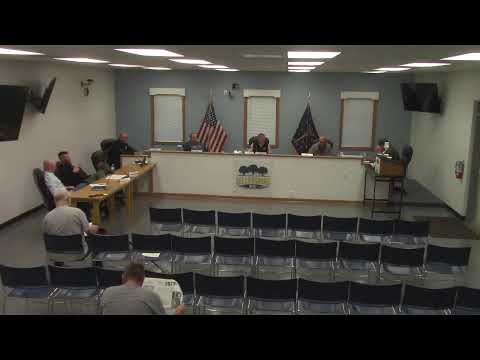
The Town of Sellersburg Town Council on May 27 reviewed ongoing complaints about trash and yard-waste containers left in public rights-of-way and agreed to press town enforcement to apply the existing ordinance rather than rewrite it.
Council discussion centered on a local ordinance that restricts leaving trash and yard-waste receptacles on sidewalks or within the public right-of-way except within 12 hours before or after the usual pickup time. Under the ordinance, the first offense draws a warning; the second offense carries a $25 fine; the third offense $50; fourth and subsequent offenses $100. The code allows the street commissioner to approve deviations for good cause.
Council members and several speakers said the ordinance’s wording is adequate but enforcement has been inconsistent. One council member said he has photographed the same properties repeatedly over two to three years and believes repeated fines are necessary to change behavior. Another council member acknowledged there are legitimate situations, such as residents with physical disabilities, where assistance or discretion might be appropriate.
Council members noted that enforcement responsibility lies with town enforcement staff and the street commissioner and asked staff to increase patrols and apply penalties for repeat offenders. No ordinance rewrite was proposed; the council concluded the item by asking staff to begin more consistent enforcement and to report back if additional policy changes are needed.
The action is a direction to staff rather than a formal legislative change: council members agreed to rely on current ordinance language and to escalate enforcement efforts against repeat offenders.