
TCTA president urges more retention-focused staffing options as board meets
Get AI-powered insights, summaries, and transcripts
Sign Up Free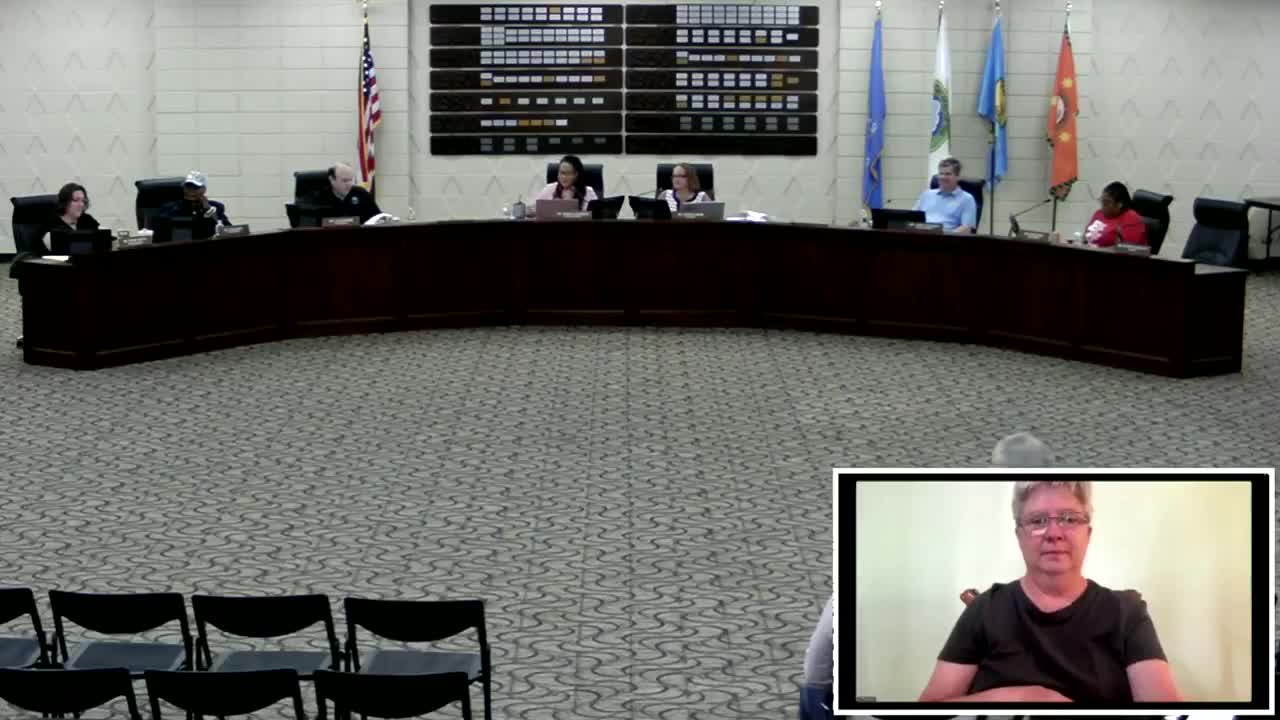
Summary
Shawna Montwright, president of the Tulsa Classroom Teachers Association, urged the board to prioritize teacher retention and to offer part-time options that would retain specialized staff such as speech pathologists, citing burnout research from PowerSchool.
Shawna Montwright, president of the Tulsa Classroom Teachers Association and a Tulsa parent, used the board's public comment period on June 16 to press district leaders to take actions aimed at reducing educator burnout and improving retention.
Montwright thanked the board for recent conversations about restoring planned time for teachers but said the agenda showed "no teacher elections" while listing 11 separations. She warned that losing part-time specialists can leave students unserved: "It hurts my heart that we're losing a qualified speech pathologist because she can only work part time, and, apparently, we're not offering part time as an option for that position anymore." She added that because some specialists can work only part time, the district risks creating vacancies that are unfilled.
Montwright cited research summarized by PowerSchool on drivers of educator turnover: "Teachers who are engaged are 62% less likely to leave. Employees facing burnout at work are 2.6 times more likely to seek a new job. Ninety percent of teachers support fewer paperwork requirements." She said that systemic supports — not individual self-care messages — are most effective: "Research shows that educator burnout is most effectively reduced when leaders build and maintain a supportive culture bolstered by data based practices."
She urged the board and district to implement schoolwide engagement strategies, streamline administrative processes, normalize mental-health conversations and involve teachers in decisions that affect their work. Montwright said proactive planning for teacher coverage is itself a retention strategy, describing a principal who was planning coverage for next year rather than reacting to absences.
The board did not take action during public comment. District staff and board members subsequently addressed staffing and recruitment topics during the monitoring discussion and in other agenda items.