Get Full Government Meeting Transcripts, Videos, & Alerts Forever!
Get email alerts on the Utilities Pgw topic
No spam. Unsubscribe anytime.
Residents and advocates press council on PGW capital budget and proposed rates; calls for PUC scrutiny and long-term planning
Summary
Public commenters and council members questioned Philadelphia Gas Works’ FY26 capital proposals and its rate case approach amid declining gas demand and city climate goals. Advocates requested council engagement with the Public Utility Commission, protection for low-income ratepayers, and a city-led plan for an equitable energy transition.
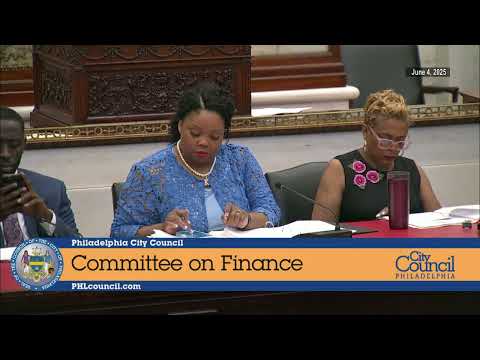
Public testimony at the finance committee hearing focused heavily on Philadelphia Gas Works (PGW) and its proposed capital and rate strategies. Multiple community groups, health professionals, union-affiliated advocates and residents urged council to scrutinize PGW’s FY26 capital budget, resist steep rate increases and push PGW toward a transition plan that aligns with city climate and equity goals.
Speakers said PGW’s current rate proposals at the Pennsylvania Public Utility Commission (PUC) would raise residential bills on average — testimony referenced estimates of about $140 per household annually from the proposed adjustments — and that the utility’s capital plan includes continued investment in gas infrastructure at a time when gas demand is declining due to electrification and efficiency gains. Advocates argued that PGW should plan for a managed transition to low-carbon heating and not recover lost revenue primarily through higher rates for remaining customers.
Several witnesses described adversarial legal tactics by PGW’s counsel in the ongoing PUC proceedings, characterizing expansive discovery demands directed at intervening public-interest organizations as chilling public participation. They asked council to urge the PUC to scrutinize rate requests carefully and to discourage the utility from using litigation to intimidate community intervenors.
Public health experts linked continued investment in gas infrastructure to negative air-quality and health impacts, noting higher respiratory illness risks in parts of the city already suffering from poor air quality. Several witnesses asked the council to require PGW to produce a long-term plan that maps out an affordable, equitable shift away from fossil-fuel heating and prioritized programs for low-income households.
Council members and the Gas Commission noted the complexity of the issues: gas system liabilities, workforce impacts, low-income affordability and the city’s climate resolutions. Several members requested a detailed staff briefing and future oversight hearing focused on PGW’s capital plan, rate case dynamics and options for a managed energy transition. The committee did not vote on PGW items at the hearing.