Get Full Government Meeting Transcripts, Videos, & Alerts Forever!
Get email alerts on the Municipal Fines topic
No spam. Unsubscribe anytime.
College Park staff to draft updated municipal‑infraction fines after council work session on SB 820
Summary
A June 3 work session reviewed Senate Bill 820, which raises maximum municipal fines to $5,000; council directed staff to return with recommendations, community outreach and proposed changes to penalty schedules.
City staff and the College Park City Council held a work session June 3 to review the implications of Senate Bill 820, which raises the maximum for municipal infractions from $1,000 to $5,000. Council did not adopt any ordinance changes at the meeting but directed staff to prepare recommendations and engage the public before returning with proposed amendments.
Director of Public Services Jitinder Kocher told the council the bill — described in the meeting packet as “Senate Bill 820” — would authorize raising the city’s maximum penalties and that the law’s effective date is Oct. 1, 2025. Kocher reviewed code chapters where fines commonly apply, including building‑construction provisions, fire and life‑safety sections, and property maintenance and housing codes.
City Attorney Stephanie Anderson noted the statutory language raises the cap “up to” $5,000, which can allow tiered penalties rather than a single flat jump. She and Kocher told the council a final proposal would likely include graduated penalties tied to severity and repeat offenses.
Councilmembers urged staff to focus on problem areas and to consider community equity and enforcement impacts. Councilmember Mackey said fines should deter repeated, nuisance behavior while not unfairly punishing single mistakes. Councilmember Ray and others pressed for escalators for repeat offenders, especially for ongoing blight and vacant‑property issues. Councilmember Riggs suggested staff identify a manageable list of “egregious” code sections to update first rather than attempting an immediate overhaul of the entire penalty schedule.
City Manager Kenny Young said staff had followed council direction to take a “slow and steady approach” and recommended additional public meetings and coordination with code enforcement officers who implement penalties in the field. Kocher and Young indicated staff will consider examples used by neighboring jurisdictions and inspector feedback when drafting new fines.
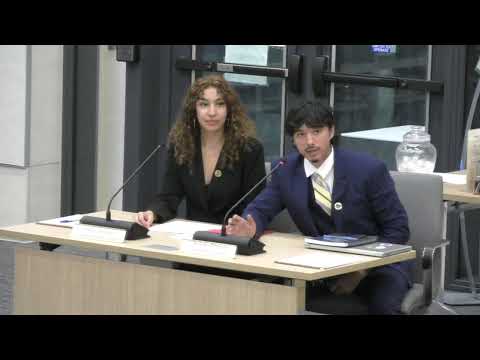
Student liaison Nicholas de Spirito raised concerns about how elevated fines would affect low‑income renters and suggested staff consider directing penalties at landlords or building owners rather than tenants when violations reflect common‑area or landlord maintenance failures. Kocher and staff replied that landlords are generally held responsible for building‑level violations and that tenant liability occurs only in limited, case‑specific circumstances.
Council gave staff direction to return with a draft recommendation, to hold community outreach meetings (including options for district‑level meetings), and to consider whether a small council subcommittee should handle a deeper review. Staff said they will bring a follow‑up item to a future work session for further vetting and eventual ordinance changes to City Code chapter 110 (penalties and fines).
Ending: No ordinances were adopted at the session. Staff will draft concrete amendments and a public engagement plan and submit them for council consideration prior to the Oct. 1 statutory effective date.