Get Full Government Meeting Transcripts, Videos, & Alerts Forever!
Get email alerts on the Sidewalk Vending topic
No spam. Unsubscribe anytime.
Long Beach reports progress on sidewalk-vending permits and new enforcement tools; city plans grants, public dashboard and commissary options
Summary
City staff reported expanded education, a free-cart program and a pilot enforcement team for sidewalk vending, and proposed grant support, an interactive map and a public enforcement dashboard while noting legal limits created by state law and the need for more commissary capacity.
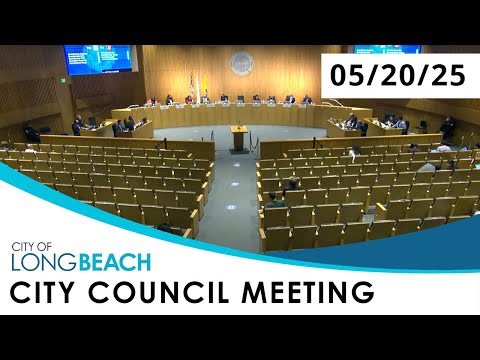
City staff on May 20 told the Long Beach City Council that the city’s second six-month check on implementing its sidewalk‑vending ordinance shows progress on permitting and education but persistent enforcement and infrastructure challenges under California law.
Deputy City Manager Grace Yoon told the council the city has combined an “education first” approach with a complaints-driven enforcement model, and she described progress across several areas: vendor outreach, a “Sidewalk to Success” program that covers permitting costs and first-year insurance, a free-cart distribution pilot, and a complaint-response team (CRT) pilot for coordinated impoundment and food discards when necessary.
“We want to support microbusinesses and make sure food-based businesses that want to operate as sidewalk vendors can do so legally and safely,” Yoon said.
What staff reported
- Outreach and education: the city has run in-person and virtual town halls, translated materials, weekly health-department office hours, partnerships with business navigators, and one-on-one outreach. Staff said they conducted hundreds of individual vendor interactions and issued an illustrated booklet and planned an interactive map showing where vending is permitted, limited or restricted.
- Permitting and the Sidewalk to Success program: staff said they had approved 33 business licenses and eight health permits since October, distributed five free carts and were considering expanding the program to offer grants so eligible vendors could cover commissary deposits, trailers, cart upgrades and other costs (proposed grant amounts: up to $3,000 when paired with a city cart; up to $8,000 for vendors pursuing a health permit outside the cart program).
- Enforcement and CRT operations: the city piloted seven CRT operations in early 2025; staff have developed standard operating procedures for joint operations that impound equipment or discard potentially unsafe food. Business license staff have issued 91 notices of violation since July, and the health department has issued 37 cease‑and‑desist orders.
Limitations and problems identified
Staff cautioned that enforcement options are limited by state law. California’s Safe Sidewalk Vending Act (SB 946) decriminalizes sidewalk vending and restricts enforcement to administrative remedies, which eliminates some criminal enforcement options that cities previously used. That legal framework, staff said, complicates responses to repeat or large-scale unlawful operations and can make it difficult to recover city cleanup costs.
City staff and councilmembers also said infrastructure impacts are significant: repeated grease spills, staining and other damage to sidewalks and storm drains create sanitation and stormwater risks and impose cleanup costs on city crews. Staff said they are researching grease-removal methods and potential cost-recovery options.
Equity, small-business access and commissary gaps
Speakers from community organizations and business navigators urged continued city support for vendors to obtain permits and find commissary access. Centro CHA and other partners said they have assisted more than 100 entrepreneurs; nine of their clients had secured permits. Vendor advocates and some councilmembers asked the city to pursue partnerships with local restaurants, churches or new commissary spaces in Long Beach (staff said a new large commissary, Partake, recently opened in the city) and to complete a Microenterprise Home Kitchen Operation (MEHKO/MECO) feasibility study in June.
Council questions, public comment and next steps
Councilmembers pressed staff for more enforcement and more clarity on options for pursuing civil nuisance claims against repeat violators; staff said they are discussing civil-nuisance litigation with the city attorney as an experimental approach. Several councilmembers also asked staff to expand inspectors and enforcement capacity in next year’s budget.
Yoon said staff would launch a public enforcement dashboard and an updated Go Long Beach complaint-tracking map in June, and the interdepartmental team would continue the education and permitting push while refining CRT procedures. The administration also proposed the grant expansion within the existing Sidewalk to Success fund rather than adding new budget authority.
What’s next
Staff plan to roll out the interactive vending map and complaint‑tracking updates, present the MECO feasibility study to council in June, pilot further CRT operations as staffing and training allow, and bring the proposed grant-eligibility changes into the Sidewalk to Success program funding discussions for Fiscal Year 2026 budget planning.
Sources: Long Beach City staff presentation and Q&A, May 20, 2025; Centro CHA and business navigator testimony recorded in the council transcript.