Get Full Government Meeting Transcripts, Videos, & Alerts Forever!
Get email alerts on the Budget topic
No spam. Unsubscribe anytime.
Residents urge council to restore drainage, libraries and public works amid proposed budget cuts
Summary
Dozens of residents and community groups told the Houston City Council the mayor’s proposed 2026 budget diverts voter-approved drainage funding and cuts essential services while increasing police pay; speakers urged council to reject or amend the proposal and to honor ad valorem drainage commitments.
Dozens of residents and organizers told the Houston City Council on a public-comment‑heavy morning that Mayor John Whitmire’s proposed 2026 budget would shortchange drainage, public works, parks, libraries and public health while increasing funding for police.
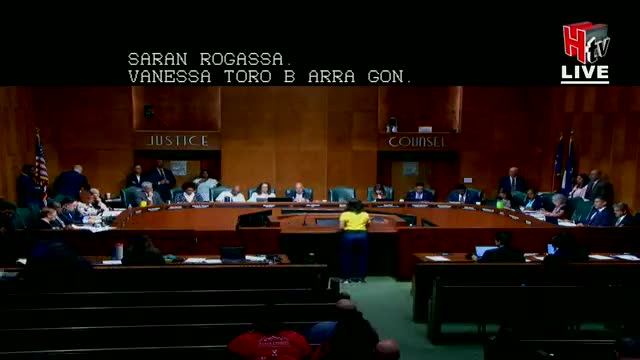
The comments opened during the council’s public‑comment period and drew speakers from neighborhood groups, environmental and tenant organizations and faith communities. Vanessa Toro Ragan, a homeowner in the East End, called the mayor’s plan “an austerity plan” and said it “turns its back on the people of Houston.”
Why it matters: Speakers said the proposed budget would reduce the city’s ability to respond to flooding and other day‑to‑day infrastructure needs at exactly the time Houston faces higher storm risk and long‑running public works staffing shortages. Several witnesses said the plan appears to repurpose funds that voters previously approved to address drainage, and they urged the council to preserve those voter‑directed allocations.
Speakers described household and neighborhood impacts. Karthik Sura of the Houston Progressive Caucus told the council that a settlement tied to the city’s ad valorem drainage tax will deliver only $16 million this year when voters had expected about $100 million, and that public‑works staffing has fallen sharply: “Public works has lost 249 employees this year alone on top of 800 existing vacancies,” he said. Beth Lumiya of West Street Recovery said the proposed budget cuts “$84,000,000 from drainage next year and nearly $100,000,000 over the next three.”
Several speakers linked budget choices to public safety in a broader sense. Joy Davis, an organizer with Pure Justice, said routine “non‑safety” traffic stops have produced dangerous encounters for Black and brown residents and argued that real safety comes from housing, education, mental‑health services and infrastructure investment, not expanded policing.
Organizers and residents pressed three consistent themes: fund voter‑directed drainage and streets work, restore public‑works staffing and preserve libraries, parks and public‑health programs. Saron Regasa told the council, “Public works is lifesaving: our roads endanger ambulances and fire trucks; we need drainage or our houses will be endangered.”
Administration response and legal context: Mayor Whitmire and city attorneys addressed the status of a settlement tied to the ad valorem drainage dispute. City attorneys said the agreement was signed by counsel and certified by the controller and that they expect a court to review and sign off; the settlement modifies an injunction but does not change the underlying judgment. The mayor and staff said controller certification is distinct from budget appropriation and that certification concerns whether money is in the bank to pay appropriations rather than the policy priorities the budget sets.
Council process: Councilmembers debated written budget amendments during the meeting. Councilmember Jon Ramirez said he had filed a package of amendments that include shifting some proposed funding sources from human resources to the general fund balance and adding enforcement staff for code and nuisance cases. The council’s Budget and Fiscal Affairs Committee scheduled a follow‑up meeting to continue those discussions.
Votes at a glance: The council took a series of procedural and consent votes during the session. Among routine items recorded on the transcript, the minutes for the May 13–14 meeting were adopted, items from the consent agenda passed, and several ordinances and resolutions on the agenda were approved. No final vote on the overall 2026 budget appeared in the recorded portion of this meeting.
What’s next: Speakers said they will return to council and to public forums ahead of any final budget vote. Community groups asked the council to amend the proposal before final adoption so that drainage, public works and public‑health programs are restored to levels advocates say were promised by voters.
Ending: The meeting continued into formal budget amendment discussion; councilmembers said they will continue to negotiate funding sources and priorities before any final certification of appropriations.