Get Full Government Meeting Transcripts, Videos, & Alerts Forever!
Get email alerts on the Organization Restructure topic
No spam. Unsubscribe anytime.
Rapid City approves first readings to formalize mayoral 'executive cabinet', create CFO and COO roles
Summary
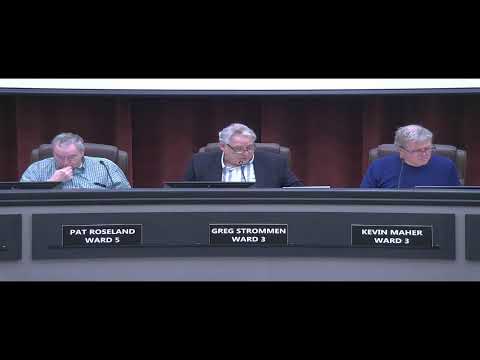
The City of Rapid City Legal/Finance Committee approved first readings May 20 of ordinances to formalize an executive cabinet and rename senior roles, including the finance officer to chief financial officer and the public works department to the Department of Public Operations.
The City of Rapid City Legal/Finance Committee voted May 20 to introduce and approve first readings of a set of ordinances that formalize an executive cabinet concept and rename two senior positions: the finance officer will be retitled chief financial officer and the Department of Public Works will be retitled Department of Public Operations.
A city official, Jason Solomon, presented the proposal on behalf of the mayor, describing a reorganization intended to reduce internal “silos,” centralize shared services (fleet, facilities, purchasing, IT, HR and project management) and expand responsibilities for two senior roles. The finance director position would be expanded and retitled to chief financial officer, with oversight of finance, community enrichment, information technology and the independent boards for airport, monument and library. The public works director role would be broadened and retitled chief operating officer to oversee engineering, utilities, streets, fleet and facilities, community development, parks and recreation and support services. The presenter said the plan would be cost neutral by using existing vacancies.
The mayor framed the change as a culture shift: “We’re one city and one team...this reorganization really seeks to do what we can do as a city that are centralized services and allow these distinct areas to specialize in things that only they can do,” the mayor said (remarks delivered by city staff in the meeting record).
Council debate split on substance and process. Supporters, including Councilmember Josh Bieberdorf and Councilmember Kevin Maher, praised the concept of centralization and reducing duplication. Bieberdorf called the plan “a huge step in the right direction.”
Opponents and cautious members, including Councilman Bill Evans and Councilmember Pat Roseland, said the scope and timing required more council dialogue. Roseland flagged statutory language in the ordinance packet, noting a citation in the draft referred to “9-14-1,” which she said had been repealed, and urged further legal review. Evans said he and other members wanted more time for cross-departmental consultation, and he recommended building formal cross-communication into the structure so departments do not end up siloed under new labels.
City Attorney Joel Landeen and staff said the mayor, as chief executive, has authority to organize staff and that the proposal preserves the council’s confirmation role for mayoral appointments. Staff emphasized the reorganization would use existing vacancies and would not require addition of new positions.
The committee approved introduction and first readings: a motion by Roseland (second by Evans) moved the ordinance identifying an executive cabinet; separate motions (movers and seconders recorded in the packet) advanced the ordinance renaming the finance officer to chief financial officer and the ordinance renaming the Department of Public Works to Department of Public Operations. All motions carried on first reading. Pat Roseland requested additional ordinance corrections and statutory citations be cleaned up before final adoption. The committee directed staff to address the statutory references and return with a revised final ordinance for council consideration.