Get Full Government Meeting Transcripts, Videos, & Alerts Forever!
Get email alerts on the Budget Fiscal Policy topic
No spam. Unsubscribe anytime.
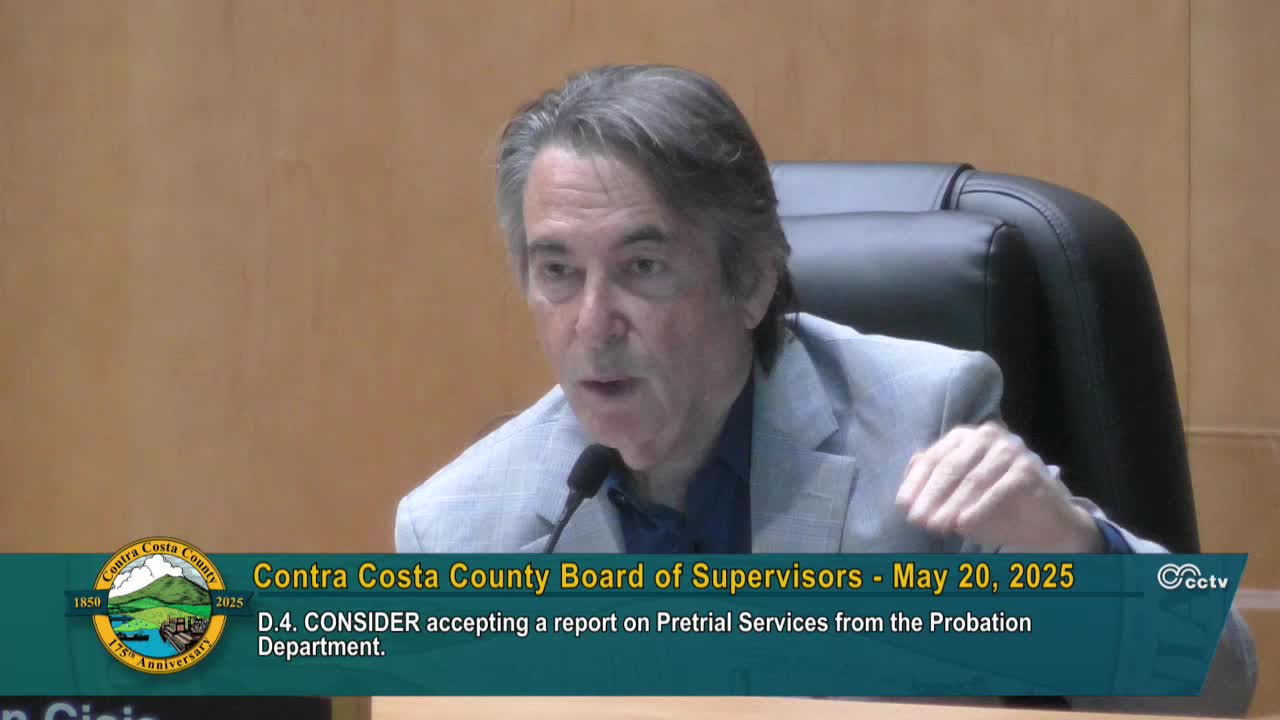
Board adopts $7.154 billion Contra Costa budget for FY 2025–26; sets contingencies and one-time allocations
Summary
After hearings and public comment, the Board approved a $7.154 billion county and special districts budget, established a contingency pool, allocated one-time funds including Measure X and FEMA/ARPA sources for a safe center and other items, and approved position changes including two ongoing forensic social-worker posts.
The Contra Costa County Board of Supervisors adopted the fiscal year 2025–26 recommended budget on May 20, approving a county and special districts spending plan the county administrator described as $7,154,000,000 and authorizing 11,288.33 full‑time equivalent positions.
The nut graf: The board acted after two days of budget hearings and public comment, approving line-item adjustments and a package of one-time and ongoing allocations. The package reduced a FEMA-designated COVID reserve, set aside a larger contingency fund, allocated money for a planned safe center and other Measure X items, and approved several position changes including two ongoing forensic social-worker positions for the public defender.
County Budget Director Adam [last name redacted in transcript] summarized the April hearings and board direction. “The board unanimously approved line item changes, increasing the total budget to $7,154,000,000 and authorizing 11,288.33 full time equivalent positions,” he said during the presentation. The approved package reduced the COVID FEMA reserve and appropriated a mix of one-time sources for board-directed allocations, including funds toward a county safe center, refugee resettlement support and other Measure X items.
Adam and Chief Administrative Officer Monica N. discussed contingency and funding sources. The board directed $9,000,000 in appropriations for items including emergency services and the safe center; the board used a combination of ARPA/FEMA funds, current-year balances and Measure X dollars to meet those requests. Adam said the county’s appropriations-for-contingency figure increased from an initial roughly $21.5 million to about $35.9 million after the board’s adjustments.
Health leaders briefed the board on emerging state-level budget risks that could affect county finances. Acting Contra Costa public-health system leader Dr. [Ori] Sabelli summarized potential state changes affecting Medi‑Cal eligibility and reimbursements that the governor proposed in a May revise and warned of possible county fiscal impacts in the near term. “From a budgetary perspective, we’re expecting... about a $5,000,000 hit the first year” from the proposed changes and “about $17,000,000” on another rate change scenario, Dr. Sabelli said at the hearing.
Supervisors debated personnel labels and hiring practice for Stand Together Contra Costa positions (legal assistants, a deputy public defender, clerical and community-relations posts). After public comment from unions and program supporters urging parity and retention, Supervisor John Gioia moved to change the five positions listed for Stand Together on attachment C (page 11) from project‑based to permanent positions; the board adopted the change as part of the final budget motion.
The board also authorized a resolution to implement position modifications and standard technical adjustments at fiscal-year close. The county administrator’s office said staff will return in September with final technical adjustments and that the board may need to act during the year if state or federal funding changes materially affect county revenue.
Ending: The budget was adopted by a recorded board vote; supervisors emphasized fiscal caution and the need to be prepared for state or federal changes that could affect public health and safety-net programs. Supervisors and department heads asked staff to return with follow-up options if additional state or federal cuts materialize.