Lenoir County reports statewide gains in 2024–25 testing, highlights math 1 and middle-school science as focus areas
Loading...
Summary
District officials told the Board of Education that literacy and several grade-level test results improved in 2024–25 and the graduation rate remains above the state average; math 1, eighth-grade science and some middle school math vacancies were flagged for targeted attention.
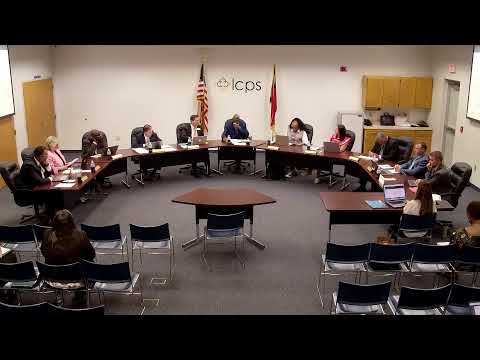
Lenoir County Public Schools officials presented the district's 2024———2025 end-of-course and grade-level results to the Board of Education on Sept. 8, reporting multiple proficiency gains, an 88% four-year graduation rate and persistent challenges in math 1 and the newly normed eighth-grade science test.
Superintendent Brown told the board the district saw "very strong growth" and "strong proficiency" overall, and noted the graduation rate remains higher than the state for a second consecutive year. The district reported an 88% graduation rate for 2024———2025.
District curriculum staff summarized results: several elementary grades recorded improvements (fourth- and fifth-grade reading and math showed sizable gains), fifth-grade science proficiency was above the state average, and nine schools increased their letter grades from the prior year.
The report said LCPS posted improvements in North Carolina Math 3 (an 11.5 percentage-point gain districtwide) and in ACT and WorkKeys indicators. The district's AWA indicator (a composite of ACT and WorkKeys results used in the high-school performance score) also rose, with individual schools showing increases of 1 to 15 percentage points.
At the same time, officials flagged math 1 (the algebra gateway course) as a top area of concern in high schools and a priority for strategic intervention. The presentation said the district has directed coaching and alignment supports to ninth-grade math 1 classes and is bringing in outside partners that have successfully improved math 1 outcomes in other systems.
Middle-school data showed incremental upward trends in sixth- and seventh-grade reading and math at several schools, but eighth-grade composite math (grade-level math and Math 1 combined) fell in part because of multiple vacancies in eighth-grade math last year. District staff said staffing stabilized for the current year and that they will continue targeted supports.
The newly normed eighth-grade science assessment produced lower proficiency percentages across middle schools, the presentation said. Staff described state-level changes to standards and test calibration and said the results depressed composite middle-school scores even though all middle schools met growth targets for the year. The district said it will align middle-school science curriculum, formative assessments and professional development to address the gap.
Curriculum directors asked the board to view the school-improvement-plan presentations scheduled next week for more school-level context. The presenters said those plans, plus ongoing common formative assessments, will guide interventions throughout 2025———2026.
Board members commended staff for progress and noted that several schools missed higher letter grades by narrow margins, reinforcing the district's focus on targeted supports and sustained implementation of improvement plans.