Get Full Government Meeting Transcripts, Videos, & Alerts Forever!
Get email alerts on the Cultural Tourism topic
No spam. Unsubscribe anytime.
Cherokee Nation reports growth in history courses and Artist Recovery Act spending; Will Rogers restoration underway
Summary
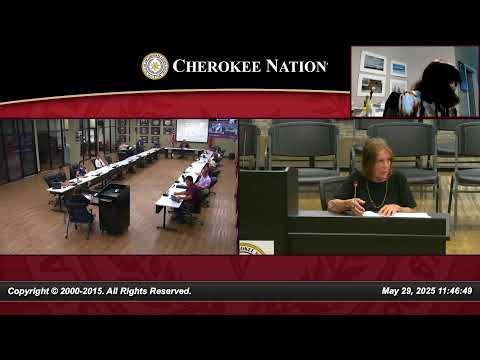
Molly Jarvis, reporting for Cherokee Nation cultural tourism, told the Culture Committee that the Cherokee history course has had “a little more than 400 participants so far this year,” and that the Artist Recovery Act “has invested more than 100,000 in direct spending with our artists, and that's just in this year.”
Molly Jarvis, reporting for Cherokee Nation cultural tourism, told the Culture Committee that the Cherokee history course has had “a little more than 400 participants so far this year,” and that the Artist Recovery Act “has invested more than 100,000 in direct spending with our artists, and that's just in this year.”
Those enrollment and spending figures were the lead items in Jarvis’s report to the committee. Jarvis said the Artist Recovery Act has supported museum programs, art shows and marketing, and that “more than 300 artists” have participated in the program during the fiscal year. She estimated cumulative Artist Recovery Act spending at roughly $400,000 to date.
Jarvis also updated the committee on cultural‑site projects and programming. She said restoration work at the Will Rogers Birthplace Ranch is active and on track for completion “late this year, so fall, early winter time frame.” Summer programming — including Stories on the Square and cultural classes at venues across the reservation — was scheduled to begin the week after the meeting.
Jarvis told the committee that the planned Cherokee Festival in Washington, D.C., at the National Museum of the American Indian will not take place this year; she said the festival has been postponed until the regular late‑March/early‑April timeframe in 2026 and that the Nation will provide dates when they are finalized.
Committee members asked for additional details about Dwight Mission. Jarvis said capital work on Dwight Mission was not included in this year’s budget and that the site remains usable for outdoor activities; staff and a caretaker remain on site and the Oxley center can be booked for public use. She said Dwight Mission remains in the Nation’s master planning process but that timing for capital approval is not specified.
Why it matters: Jarvis framed the report as evidence of continuing investment in language, arts and cultural tourism that supports artists and draws visitors to Cherokee sites. The Artist Recovery Act and restoration projects were presented as ongoing investments in cultural preservation and community engagement.
Quotes in this article are taken from committee meeting remarks and attributed to speakers present at the meeting.