Get Full Government Meeting Transcripts, Videos, & Alerts Forever!
Get email alerts on the Public Health Vector Control topic
No spam. Unsubscribe anytime.
Resident group urges alternatives to citywide mosquito spraying; staff outlines current practice and costs
Summary
A resident and community-group leader urged the council to suspend truck-mounted permethrin spraying and adopt larvicide dunk distribution, habitat supports such as purple-martin and bat houses, and public education. City staff described current practice, effectiveness and budget.
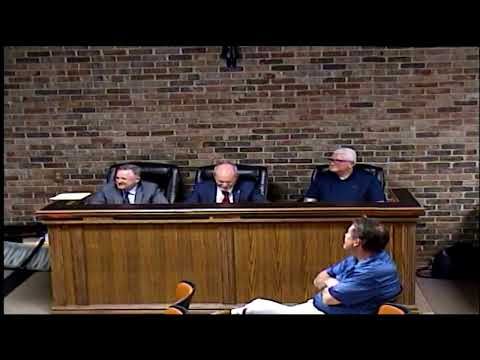
Miranda Cotton, president of the Seminole Arts Council and vice president of SCRIPT (Submittal Community Regenerative Initiative Permaculture Transformation), presented alternatives to the citycurrent mosquito adulticiding program and asked the council to suspend use of the chemical product identified in the presentation (Aqualore/Aqualor, described as containing synthetic pyrethroids such as permethrin) in favor of nonchemical and targeted larvicide measures.
Cotton said residents have reported respiratory issues after citywide spraying and raised concerns for children, seniors, pets and pollinators. She recommended monthly distribution of mosquito-dunk products that use a naturally occurring bacteria that targets larvae, installation of purple-martin and bat houses to encourage predators, promotion of community clean-ups to remove standing-water breeding sites (flower vases, buckets, gutters), and a city education campaign on breeding-prevention practices. Cotton cited national pesticide-information resources (she said links were on slides) and quoted city code language regarding stagnant water and conditions that attract pests.
City staff responded that permethrin-based products are used as adulticides via a truck- or skid-mounted sprayer. Staff said the spray is used on a roughly 30-day cycle during summer months when mosquito-borne West Nile virus risk is higher, and that the city budgets about $5,000 annually for the program (staff said the city typically uses about half that budgeted amount). Staff said the treatment is an adulticide (kills flying adults) and that larvae in standing water are not controlled by spray, noting the need for engineering and habitat measures to tackle larval stages. Staff also said the city bought a skid unit about six years ago that can be installed on different trucks.
When asked about alternatives, staff and presenters acknowledged options such as mosquito dunks for standing water, wildlife habitat enhancement (purple martins, bats, dragonfly habitat), and public education. Staff noted potential liability, cost and operational considerations for providing spraying services outside city limits. A council member said the council could authorize monthly suspensions of spraying and make decisions as conditions warrant; staff said they would follow council instruction.
Ending: The presentation generated council interest in nonchemical options and public education; no formal policy change or vote to suspend spraying was recorded in the transcript excerpt.