Get Full Government Meeting Transcripts, Videos, & Alerts Forever!
Get email alerts on the Human Rights Ordinance topic
No spam. Unsubscribe anytime.
Tulsa committee reviews ordinance to standardize anti-discrimination language across city code
Summary
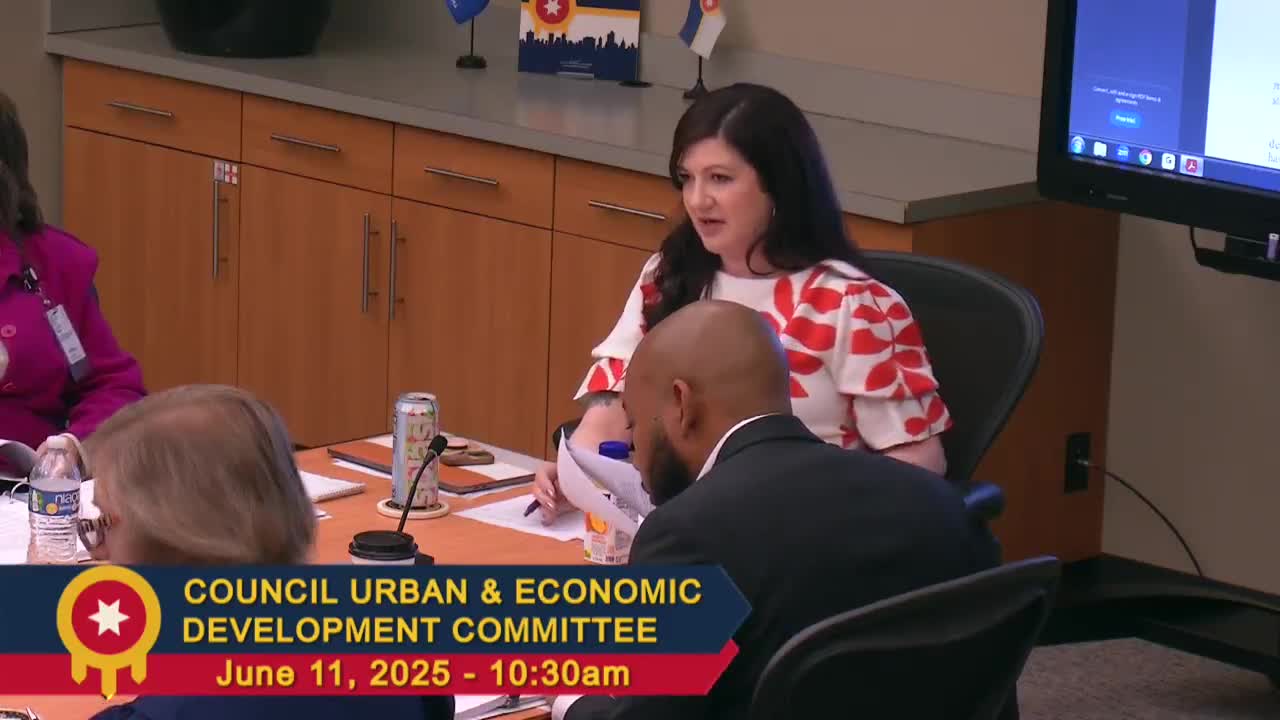
The Urban Economic Development Committee on June 11 discussed a proposed ordinance that would align anti‑discrimination language across multiple chapters of the Tulsa Revised Ordinances, add veteran status in some places and make age protections more consistent.
The Urban Economic Development Committee on June 11 discussed a proposed ordinance that would align anti‑discrimination language across multiple chapters of the Tulsa Revised Ordinances, add veteran status in some places and make age protections more consistent.
City legal staff and human‑rights advisers described the draft as largely technical cleanup that moves language already used in the housing section—specifically language on sexual orientation and gender identity—into a top‑level definitions section so it applies across other code provisions. ‘‘All this really does is it takes the definitions of sexual orientation and gender identity from the housing section and moves them up to the top, the definitions at the top, so that they're applicable to all sections,’’ said Jack (staff attorney), summarizing the proposal.
The change would keep the contractor‑compliance provision nearly unchanged so that city procurement and contracts are not broadly altered. The draft also includes a preamble noting that nothing in the chapter is intended to conflict with state or federal law.
Why it matters: committee members and human‑rights advocates said consistent language helps residents and staff know what protections the city offers. Several speakers pressed for improved access to the complaint process and for clearer definitions so residents know how to report discrimination.
Department of Resilience and Equity compliance officer LaKendra Carter described how complaints are handled and the volume the city sees: ‘‘In regards to discrimination complaints, regarding public accommodations particularly, I don't get very many of those,’’ she said, and added that accessibility and awareness of the complaint process remain barriers. Carter and other staff described steps already taken to make intake easier, including a phone intake option through 311, bilingual forms and efforts to provide mailed complaint forms on request.
Veterans‑rights advocates urged the committee to adopt explicit veteran‑status language. ‘‘When it comes down to the reporting side of it, we don't have a really good process for them,’’ said Josh Starks, a Human Rights Commissioner and veterans chair, urging both clearer code language and easier reporting.
Committee members discussed two legal decisions that shaped the debate: the 2020 U.S. Supreme Court ruling in Bostock v. Clayton County (interpreting Title VII to cover sexual orientation and gender identity in employment) and the 303 Creative decision related to compelled speech. Legal staff said Bostock’s reasoning supports reading existing prohibitions on sex discrimination to include sexual orientation and gender identity, but recommended keeping the ordinance explicit and consistent because those terms have already been used in the city’s housing code.
Several council members urged caution about timing: the item had been scheduled to appear on the full‑council agenda on June 18, but some members asked to return the draft to UED for further edits and possible ‘‘friendly’’ amendments to the definitions and to clarifying language about federal preemption before sending it to the council.
Next steps: committee members said they will consider amendments and may place the revised ordinance back on a future UED agenda before the full‑council vote. Staff said the enforcement process would remain primarily conciliatory and mediation‑focused rather than punitive, and that separate work remains to increase public awareness of the complaint process.
Ending: The committee left the draft open for minor language changes and signaled it would continue discussion next week rather than pressing the item to final council action without additional committee review.