Get Full Government Meeting Transcripts, Videos, & Alerts Forever!
Get email alerts on the Public Works topic
No spam. Unsubscribe anytime.
Passaic residents press council over damaged sidewalks and conflicting tree-removal rules
Summary
A resident told the council a city-owned tree has lifted his sidewalk; council and administration described a case-by-case process requiring engineering and legal vetting and noted state restrictions on removing healthy street trees.
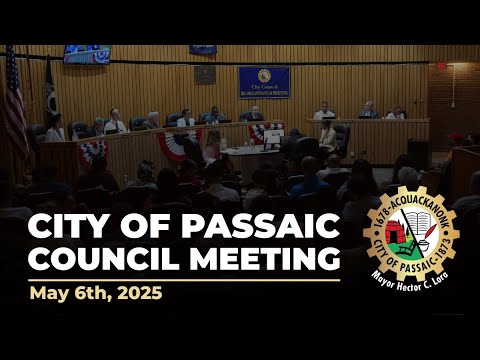
Alberto Rivera, a Passaic resident of nearly 29 years, told the City Council on May 6 that city-owned trees have lifted sidewalks at his corner property and that his efforts to get the city to repair the damage were unsuccessful.
Rivera said he was cited for a sidewalk violation despite the damage coming from roots of large oak trees and from a prior city removal that he said left the sidewalk damaged. He said he had been told by city staff in the past he could not remove or alter the trees and that he had offered to pay for tree removal years earlier. "Why? How is it possible that a homeowner would be responsible for a tree that was never planted by me?" Rivera asked the council.
Mayor Hector Laura and other officials described the city's process: inspections by DPW and engineers to assess tree health and hazard, limited trimming of branches (but not roots, the administration said), and legal review before a tree is removed. The business administrator and council members said state rules can restrict removal of otherwise healthy street trees and that a clear-cutting ordinance passed earlier constrained options. Council members said the city sometimes must build sidewalks around trees if state funding is involved and that tree-removal decisions are made case by case after engineering and attorney review.
City staff said they will inspect Rivera's property and present findings to the city attorney and DPW. Council President Schaer and other council members acknowledged the residents' financial hardship from repeated sidewalk replacements and discussed potential avenues including shared cost approaches and checking whether available home-repair funds (for income-eligible residents) could contribute.
Why it matters: The exchange highlights a recurring municipal issue in older cities where street trees predate sidewalks: who pays when roots damage municipal infrastructure, and how state regulations on tree removal and replacement influence local decisions. Residents said repeated repairs are costly; the council said the city must balance liability, public safety and state restrictions.
What happens next: Officials agreed to send engineers to inspect the specific address and to refer the matter to the city attorney for guidance on liability and possible remedies.
Ending: Council members said the city would follow up by assessing the tree and root damage and exploring funding or remediation options that comply with state rules.