Get Full Government Meeting Transcripts, Videos, & Alerts Forever!
Get email alerts on the Water District Finance topic
No spam. Unsubscribe anytime.
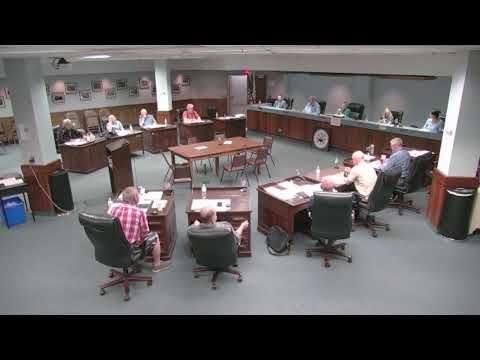
Seneca County committee hears report of 41% unaccounted water, directs staff to verify meters and billing
Summary
Committee members were told the county is buying substantially more water than it sells and that water loss is running around 40–42%, prompting direction to staff to verify meters—starting with easier, certifiable meters—reconcile billing and pursue other steps to narrow the financial shortfall.
Seneca County officials were told at a committee meeting that the county's water district continues to run a deficit because the system is buying more water than it is recording as sold, and committee members directed staff to begin meter verification and billing reconciliation to reduce unaccounted‑for water.
Committee discussion focused on a large difference between water purchased and billed. County staff said loss rates have risen to roughly 40–42% in recent quarters, well above typical acceptable loss factors (about 15% cited in the meeting). Speakers described about 11 million gallons per quarter unaccounted for in one exchange. Finance and operations staff said the county previously approved roughly $80,000 to cover a shortfall; estimates discussed in committee suggested a current shortfall on the order of tens of thousands of dollars, with one rough calculation producing a possible $60,000 annual shortfall after conservative adjustments.
Staff and consultants advised beginning with meters that are easiest to verify — retail/utility meters and master meters that can be reinstalled or checked remotely — rather than an immediate, costly system‑wide leak detection program. Committee members noted particular concern about the prison/master meters; moving a meter outside a fenced perimeter had been estimated to cost approximately $300,000. The committee discussed VaricFiat/radio read meters and the need for vendor cooperation to access reads.
Committee members gave staff direction to investigate current master meters and billing practices, pursue verification for the most tractable meters, and report back with findings and recommended next steps. The direction was given as committee guidance rather than a formal vote; staff said verifying meters and certifying readings was a priority and a likely first step before pursuing larger, more expensive leak‑locating programs or bond/grant funding to address infrastructure.