Get Full Government Meeting Transcripts, Videos, & Alerts Forever!
Get email alerts on the Jobs And Labor topic
No spam. Unsubscribe anytime.
Senate clears jobs, labor and economic development omnibus with measures on workforce, apprenticeships and lead service-line replacement
Summary
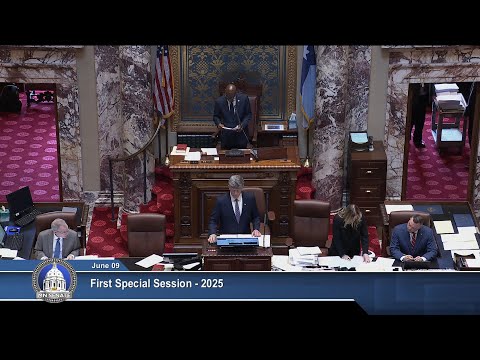
Senate File 17, a biennial budget for jobs, labor and economic development, passed 40–27. Sponsors highlighted funding for competitive grant programs, vocational rehabilitation, registered apprenticeship expansion and continued lead service-line replacement.
The Minnesota Senate passed Senate File 17, the jobs, labor and economic development omnibus bill, which contains appropriations and policy provisions across workforce development, economic development and labor enforcement.
Senator Champion, speaking for the jobs portion, said the package preserves key DEED programs such as the Job Creation Fund and Minnesota Investment Fund and includes increases for competitive workforce grants, including a $2,000,000 increase to the Youth at Work competitive grant program. “We avoided completely zeroing out our successful DEED programs,” Champion said, noting negotiations with the House kept many priorities intact.
Senator McEwen, who presented the labor portion, said the bill funds increased misclassification enforcement staff at the Department of Labor and Industry, provides funding for a fraud impact report, accepts a proposal for a statewide registered teacher apprenticeship program and fully funds pre-apprenticeship programs such as Helmets to Hardhats. The bill also allocates $3,000,000 for continued replacement of lead service lines.
Floor debate included questions about the bill’s budget level, process and whether some local impacts (for example, on paid family and medical leave discussions and small-business exemptions) had adequate committee consideration. The Senate approved the bill on final passage by a roll-call vote of 40 ayes and 27 noes.