Get Full Government Meeting Transcripts, Videos, & Alerts Forever!
Get email alerts on the Water Landuse topic
No spam. Unsubscribe anytime.
El Paso County commissioner flags water uncertainty, land-use and military encroachment as priorities
Summary
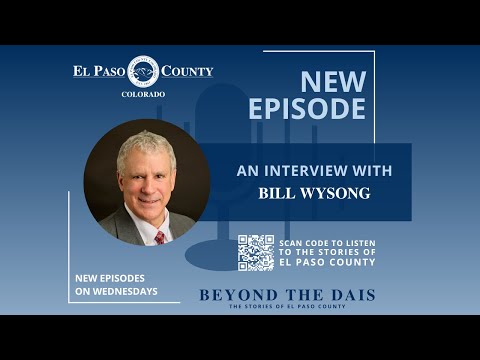
Commissioner Bill Wysong told a podcast audience the county needs better data on aquifers, more coordinated water, wastewater and stormwater planning, and attention to land-use near military bases to protect missions and manage growth.
El Paso County Commissioner Bill Wysong said water supplies, wastewater and stormwater planning are immediate priorities for county leaders, and he urged residents to pay attention as staff complete studies led by the county planning department to better understand aquifer conditions.
Wysong, in his first six months as commissioner, said much of the county’s unincorporated area relies on wells and that local officials do not yet know how much water is available. “When you have multiple aquifers that go over a very large wide area... we have no idea what it truly looks like and how much water is there,” Wysong said.
Wysong described ongoing county studies to inventory supply and to examine reuse and conservation options. He said the planning department is heading studies intended to inform future land-use and infrastructure decisions, but he gave no timetable or budget figures for completion.
Land use tied to the county’s military installations was another priority Wysong raised. He described serving on a defense advisory board subcommittee on base encroachment after a congressman invited him, and said protecting military missions from incompatible development is a local land-use concern. “If we have too much encroachment around our military bases, their missions are compromised,” he said.
Wysong listed several regional bodies he participates in that relate to water and land use: the Fountain Creek Watershed District, the Pikes Peak Area Council of Governments, and what he described as the Pikes Peak Bridal Water Authority, along with an advisory position related to parks and county drainage. He said these boards help coordinate transportation, stormwater and water issues across multiple jurisdictions.
He also discussed housing as “the big elephant in the room” and noted a separation of responsibilities between city and county government. Wysong explained counties derive many powers from state statute and that some services—jails, the coroner and elected department heads—are county responsibilities. The budget process, he said, begins at the department level with combined budget review coming later in the year.
Wysong emphasized the interdependence of water, land use and budgeting decisions: counties must balance competing demands with limited tax capacity. He noted El Paso County is the most populous county in the state by county boundaries and said its mill levy ranks near the bottom among the top 10 most-populous counties, which constrains how much revenue the county can raise for services.
Wysong did not provide specific figures for county water reserves, exact study timelines or dollar amounts for potential projects; he said those details are being developed by staff.