Get Full Government Meeting Transcripts, Videos, & Alerts Forever!
Get email alerts on the Code Enforcement Alley Maintenance topic
No spam. Unsubscribe anytime.
Council hears residents’ safety concerns over overgrown alleys; staff to revise ordinance and pursue abatements
Summary
Residents raised safety and emergency-access concerns about overgrown and poorly maintained alleys; building official described a plan to update the city’s ordinance, use contractors for abatements and place liens when necessary.
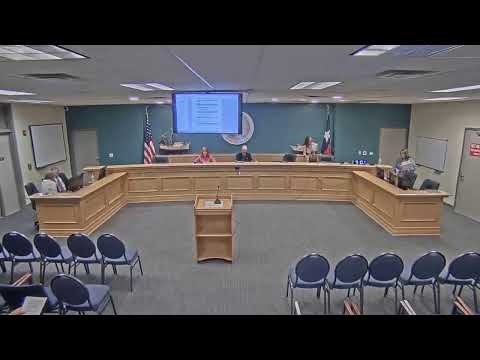
Residents and councilmembers spent a substantial portion of the June 3 meeting discussing overgrown alleyways, drainage problems, and the city’s abatement process after multiple citizens raised safety concerns and reported downed power lines and potential homeless encampments.
Councilmember Ruth Camarillo Smith brought the item forward and presented resident complaints about alley overgrowth that, she said, can impede emergency access and has left at least one power line down for years. Several residents supplied photographs and cited specific blocks, including West Matlock between 11th–13th streets, where overgrowth and soft sand in rear alleys have created deep ruts and “bellies” that could trap heavy vehicles.
Joseph Garza, the city’s building official, said staff is revising the city ordinance to strengthen code-enforcement procedures, add language about abatement contractors and improve scheduling and lien processes. Garza said contractors are currently the more feasible option because they maintain and supply equipment city crews do not have; he said abatements allow the city to place a lien on properties for the cost of contractor services. Garza proposed a regular inspection schedule supported by contracted crews and a procedure to place liens for abatement costs.
Council and residents discussed whether hiring more city staff for mowing and abatements would be preferable. Garza said the city evaluated personnel costs and overtime and concluded contractors are more cost-effective in the near term because contractors bring heavy equipment that city crews lack. Councilmembers requested staff examine options for employing additional city workers when budget permits and to restart a public-notice campaign to give property owners advance warning before abatements.
Staff also said they are working on ordinance revisions and will return the revised language to council; staff committed to meet with residents about specific alley locations and provide a plan of action for the West Matlock area.
Why it matters: Alley maintenance affects emergency access, resident safety and property conditions. The city’s enforcement approach—contractor abatements, liens and ordinance changes—will determine response speed and who bears the cost.
What’s next: Staff will provide revised ordinance language, a plan for abatement in the West Matlock area and options for public-notice timing; council signaled support for a combination of contracted abatements in the short term and consideration of additional city personnel over time.