Get Full Government Meeting Transcripts, Videos, & Alerts Forever!
Get email alerts on the Emergency Preparedness topic
No spam. Unsubscribe anytime.
Syracuse disaster-prep committee reports improved turnout after mock rapid-assessment exercise
Summary
A volunteer-led mock rapid disaster assessment exercise reached roughly 83.5% of targeted dwellings citywide, committee members told the Syracuse City Council, and recommended more exercises and focused outreach to boost participation.
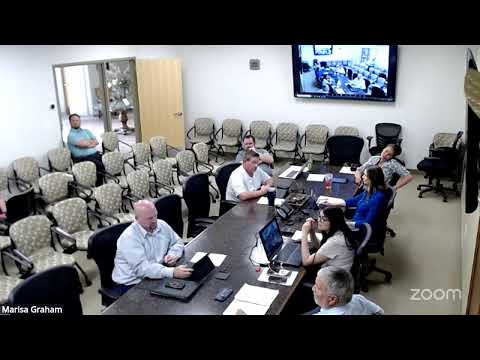
The Syracuse disaster preparedness committee reported at the council work session that its annual mock exercise tied to the Great ShakeOut reached an average of about 83.5% of targeted homes across the city’s six districts, the committee chair said.
The committee’s chair, identified in the meeting as the disaster preparedness committee chair, told council members the exercise used a 48-piece puzzle for each district to help identify households that might need assistance and to encourage citizen volunteers to learn neighborhood needs. The chair said one district — Fremont — showed lower numbers and that wind the night before had scattered some materials left on doorsteps.
The committee chair said the exercise began about 8 a.m., used the city’s Everbridge reverse-911 system for targeted messaging and was designed as a single neighborhood pass; more time or additional exercises would likely have identified additional needs. The chair suggested the committee is considering holding two exercises a year, with varied scenarios (for example, a winter power-outage or a blizzard) so residents who are home in winter months might be more likely to participate.
Council members asked about likely local hazards. The committee chair said earthquake-related liquefaction is a significant concern because of local soil conditions, and also cited flooding and the movement of chemicals to the sewer plant as possible risks. Committee members said the exercises and monthly articles focus on practical responses, such as how sewer systems would be handled after a major incident.
Council members and the chair discussed tactics to increase participation, including piggybacking on larger public events (jamborees), mayoral communications that amplify committee outreach, and clearer educational materials tailored to the likely impacts (liquefaction, wind damage, winter power outages) for different neighborhoods.
The committee noted that some neighborhoods (South State reported about 380 participants, an improvement over last year) are showing improved engagement. The chair said adoption of the Everbridge system (adopted by the city roughly eight months earlier) helped target messages but more signups and outreach remain necessary.
Council members did not take formal action at the meeting but directed staff to continue coordinating outreach and to consider timing and scenarios for future exercises.
The committee and council emphasized that the exercise is voluntary and intended to build citizen capacity to report needs and support rapid assessment after an event.