Get Full Government Meeting Transcripts, Videos, & Alerts Forever!
ND health officials outline application, limits and risks for federal Rural Health Transformation funding; application due Nov. 5
Summary
The North Dakota Department of Health and Human Services presented a draft plan and priorities for the federal Rural Health Transformation Program and called for legislative input. Officials warned of tight timelines, federal spending limits and potential clawbacks if the state commits to policy changes it does not enact.
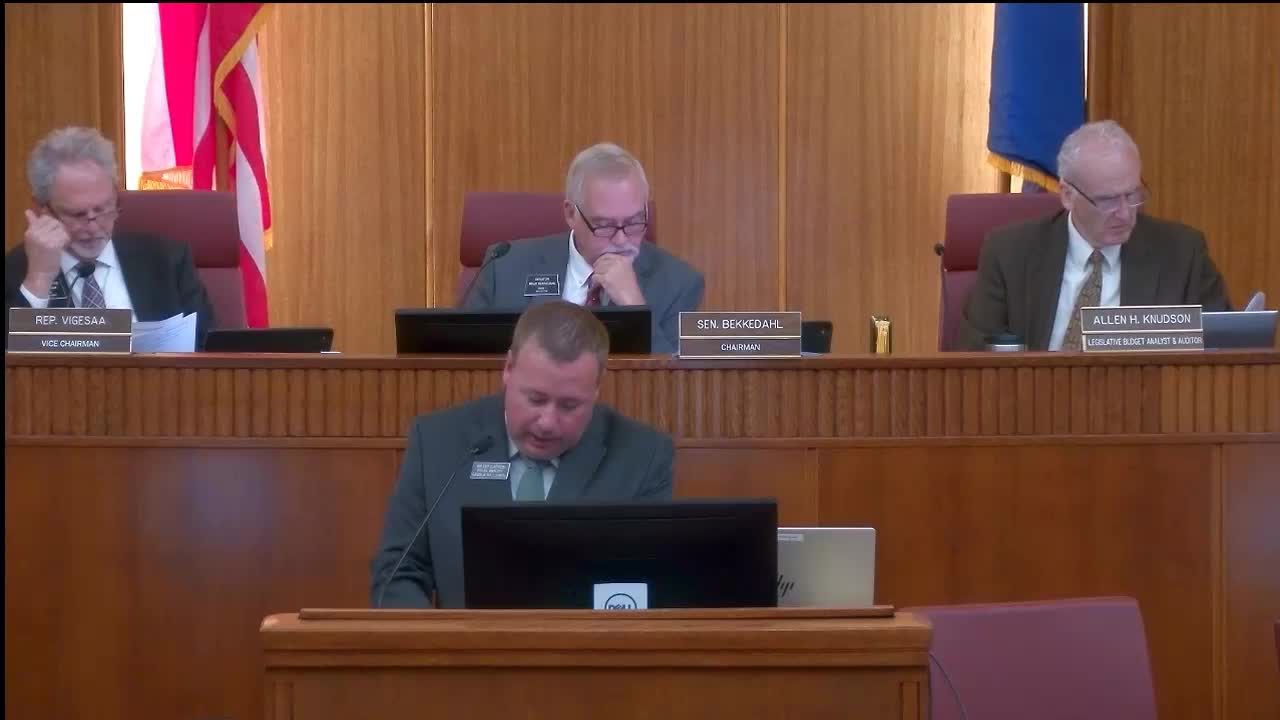
The North Dakota Department of Health and Human Services outlined its planned application and spending priorities for the federal Rural Health Transformation Program during a Legislative Management interim committee meeting, saying the state’s application is due Nov. 5, 2025 and that federal awards must be approved by the Centers for Medicare & Medicaid Services by Dec. 31.
The plan, presented by Sarah Aker, executive director of the Division of Medical Services at ND HHS, uses the public survey and three recent listening sessions as the basis for priorities that emphasize workforce stabilization, prevention and chronic-disease management, right‑sizing local health delivery and investments in technology and data. Aker told the committee the federal program authorizes $50 billion over five years, split into a $25 billion baseline (distributed equally to states) and $25 billion of competitive “workload” supplemental funding.
Why it matters: North Dakota is guaranteed baseline funding but may receive a larger share of the supplemental pool based on a technical scoring system that factors in rural population, facility measures and a set of state policy and application initiatives. Aker warned the state “is starting from behind” on the supplemental scoring and urged the committee to advise on policy commitments that could raise the state’s technical score.
What DHHS proposed and what is allowed
Aker said the department condensed more than 1,200 public survey responses and about 350 listening-session attendees into four major investment buckets: workforce; prevention and chronic-disease programs (branded in the presentation as “Make North Dakota healthy again”); bringing high‑quality care closer to home (telehealth, mobile units and “rightsizing” facilities); and technology/data infrastructure to support interoperability and population health. Examples included expanded residency rotations, mobile primary-care units, telehealth…
Already have an account? Log in
Subscribe to keep reading
Unlock the rest of this article — and every article on Citizen Portal.
- Unlimited articles
- AI-powered breakdowns of topics, speakers, decisions, and budgets
- Instant alerts when your location has a new meeting
- Follow topics and more locations
- 1,000 AI Insights / month, plus AI Chat