Get Full Government Meeting Transcripts, Videos, & Alerts Forever!
Get email alerts on the Pk12 Strategic Vision topic
No spam. Unsubscribe anytime.
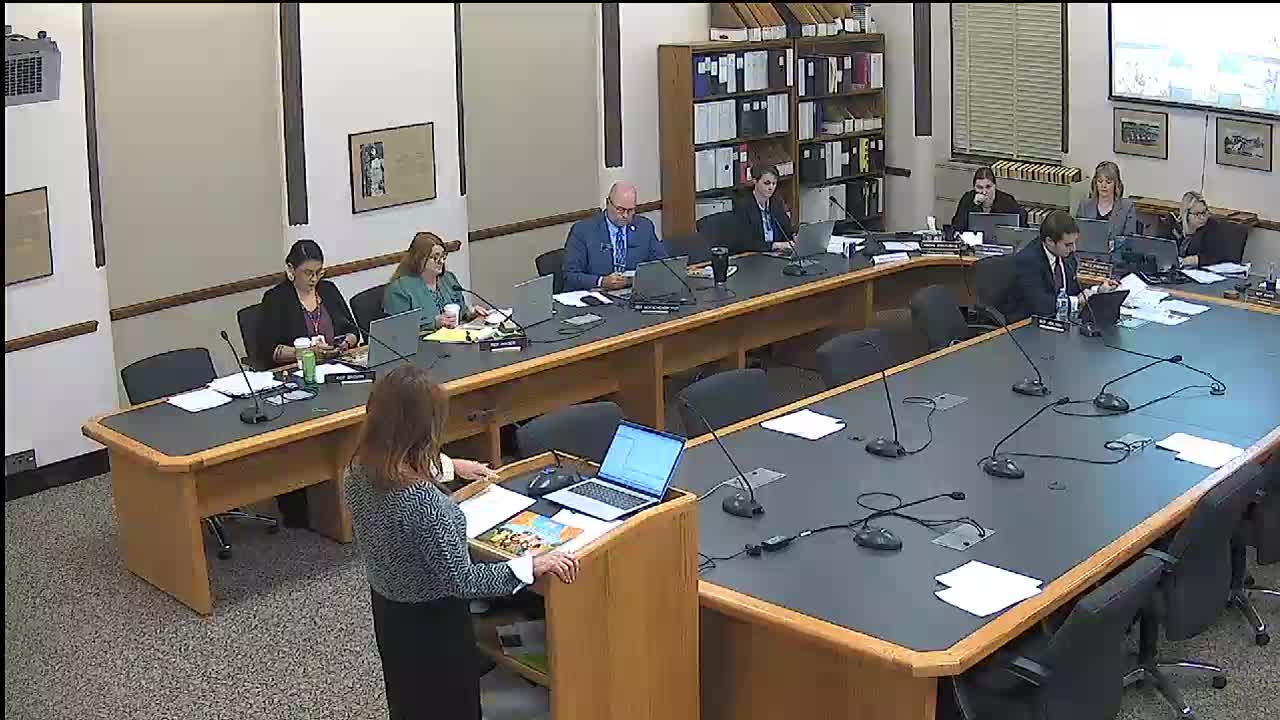
Superintendent and steering committee add math proficiency goal and attendance measures to PK‑12 strategic vision
Summary
The PK‑12 strategic vision steering committee added an explicit eighth‑grade math proficiency goal and adopted chronic‑absenteeism and overall attendance metrics as progress indicators; DPI and partners will set baselines and monitor disaggregated trends.
Superintendent Kirsten Basler and members of the PK‑12 strategic vision steering committee presented an annual update and announced two changes to the statewide strategic framework: the addition of a student academic goal targeting mathematics proficiency by eighth grade and the selection of chronic absenteeism and general attendance as first‑year progress indicators.
Why it matters: The steering committee told legislators that early math proficiency is a critical predictor of later success and that measuring attendance will help target supports: ‘‘It’s much harder to learn if you aren’t in class with your teacher receiving your lessons,’’ Superintendent Basler said as she explained the rationale for adding attendance metrics.
New numeric baseline and definition: The committee agreed to monitor chronic absenteeism, defined federally as missing 10% or more of school days (about 18 days in North Dakota’s typical calendar). Superintendent Basler reported that chronic absenteeism rose from roughly 12% in 2018–19 (pre‑pandemic) to about 20% in 2023–24, the most recent year with complete data—figures the committee will treat as baseline information for setting improvement goals.
Implementation and disaggregation: The steering committee directed DPI and the K‑12 Coordination Council to establish baseline measures for the 2024–25 school year and to disaggregate data by grade, student subgroups and geographic regions so interventions can be focused where attendance and engagement losses are largest.
Support programs and partnerships: The presentation noted linked efforts, including early‑childhood literacy investments, mentorship for early‑childhood special education staff, the Best in Class pre‑K expansion and CTE partnerships to support transitions into career pathways—components the committee said help create conditions for improved attendance and academic readiness.
Ending: The committee will monitor attendance and chronic‑absenteeism trends, share promising local practices, and work with state partners to scale evidence‑based attendance interventions. Superintendent Basler said the committee’s next steps include setting aspirational targets and supporting districts with resources and intervention toolkits.