Get Full Government Meeting Transcripts, Videos, & Alerts Forever!
Interim committee reviews North Dakota dual-credit program, funding and enrollment trends
Summary
Lawmakers and higher-education officials reviewed North Dakota's dual-credit program, how credits are funded and allocated, tuition rates for subsidized vs. unsubsidized instruction and enrollment patterns that show many high‑school students earning college credit while in K‑12.
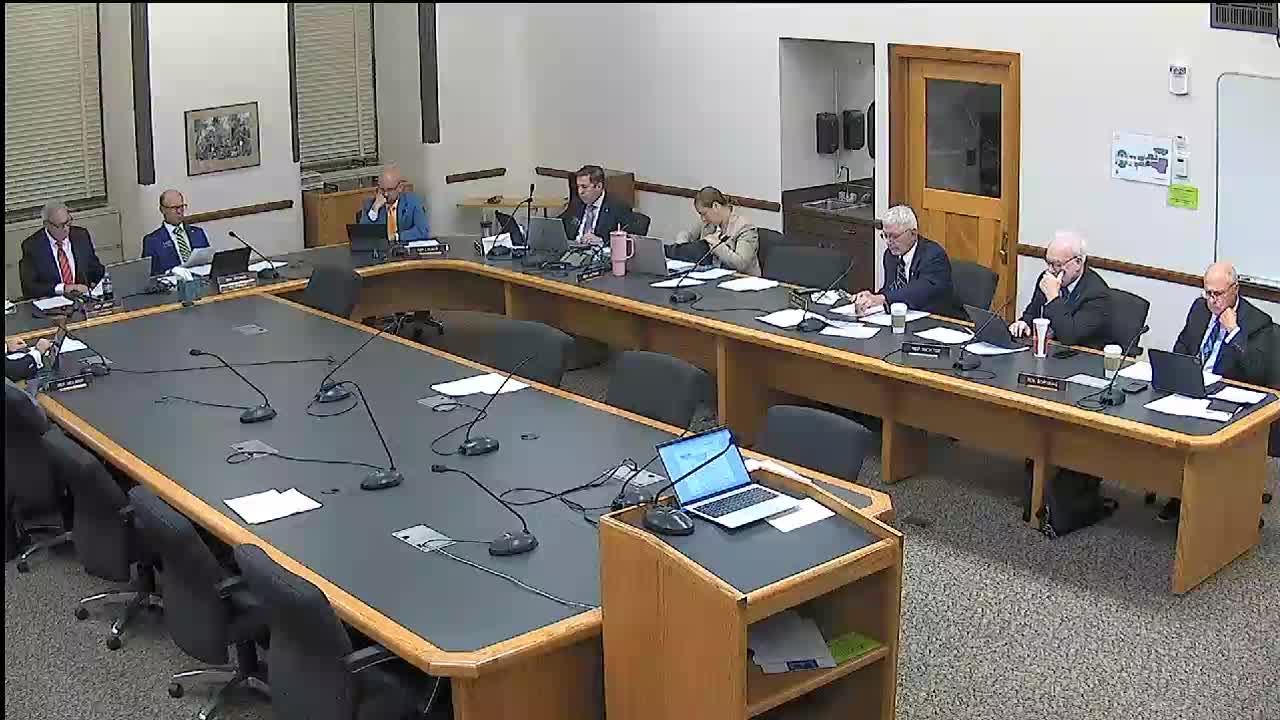
The Interim Education Committee heard an overview of North Dakota's dual-credit program, how colleges and high schools bill and receive tuition, and how those credit hours are counted in the state higher-education funding formula.
The committee’s study was assigned by the Legislative Assembly under "section 46 of Senate Bill 2,003," which directed a review of who may offer dual credit, where it may be provided and related state funding, the committee was told. Sheila (Legislative Council) briefed members on the study mandate and background materials and said the committee would continue the review in future meetings.
Why it matters: Dual-credit course completion generates student credit hours used in the university funding formula, so decisions about rates and provider authority affect institutional budgets, high-school partnerships and student costs.
How the program works: Lisa Johnson, deputy commissioner at the North Dakota University System, told the committee that dual credit is available to students in grades 10–12 and “college credit is always, awarded upon completion of the college course.” She described two main models: (1) dual credit arranged between a…
Already have an account? Log in
Subscribe to keep reading
Unlock the rest of this article — and every article on Citizen Portal.
- Unlimited articles
- AI-powered breakdowns of topics, speakers, decisions, and budgets
- Instant alerts when your location has a new meeting
- Follow topics and more locations
- 1,000 AI Insights / month, plus AI Chat