
PERS warns expanding state retirement/insurance to volunteers could jeopardize governmental-plan status
Get AI-powered insights, summaries, and transcripts
Subscribe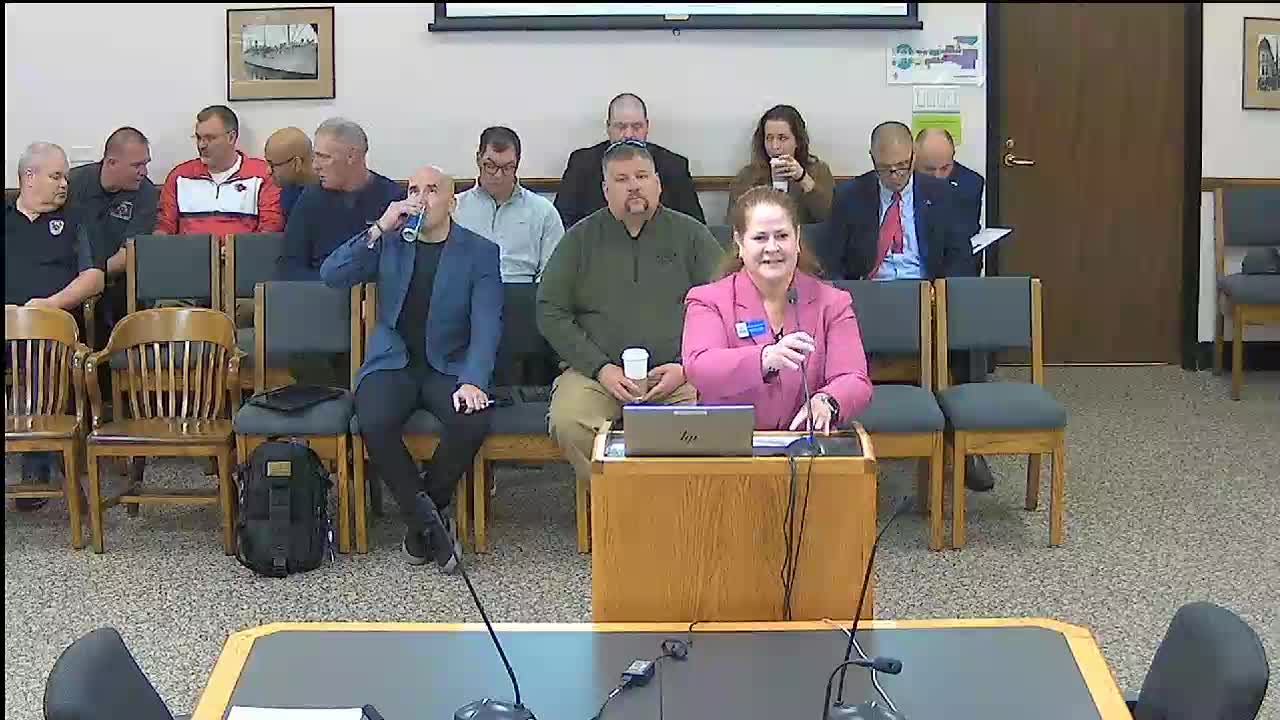
Summary
The Public Employees Retirement System told lawmakers that allowing non-government volunteers onto PERS plans risks losing federal governmental-plan status and could trigger ERISA rules and higher reporting burdens; PERS recommended detailed legal and fiscal analysis first.
Rebecca Fricke, executive director of the Public Employees Retirement System (PERS), told the Emergency Response Services Committee that North Dakota—s retirement and insurance plans face legal constraints if the legislature expands eligibility to include volunteer emergency responders.
Fricke said PERS administers benefits under the federal classification of a governmental plan and must keep coverage limited to governmental employees to preserve that status. "If you had individuals that were not governmental employees covered on your plan, the IRS could look at that and say, —you're over this de minimis number— we consider— and you'd lose your governmental status as a plan,—" she said. The de minimis threshold is not published, Fricke said.
Losing governmental plan status would expose PERS plans to the Employee Retirement Income Security Act (ERISA), create new reporting requirements and could substantially increase compliance costs, she told the committee. For that reason, Fricke urged the committee to request a technical analysis before proposing statutory changes.
Fricke reviewed eligibility thresholds that apply under current PERS plans. In many participating employer plans the threshold for a permanent employee—s eligibility is 20 hours a week for 20 or more weeks a year; for public-safety plans the threshold may be 32 hours a week. "Volunteers are likely not meeting that 32 hours a week, 20 or more weeks of the year," she said.
Fricke also noted the administrative review process that PERS uses when bills would affect plan budgets. Bills with potential fiscal impacts on PERS must be submitted to the legislative employee benefit programs committee during the interim so PERS can conduct actuarial and cost analyses before legislation moves forward.
The committee discussed non-PERS options, such as establishing a separate ERISA-governed plan, but Fricke warned that state staff have limited experience administering non-government plans and that such an approach could be expensive to set up and maintain.
Why it matters: many lawmakers want to expand recruitment and retention options for volunteer emergency responders by providing retirement and insurance benefits. Fricke told lawmakers that the legal and fiscal implications for PERS are complex and recommended further study, including possible IRS review and outreach to peer state plans.
What—s next: PERS agreed to consult with its federal tax adviser and with peer retirement systems to report back on whether other states have offered similar benefits to volunteers and how they structured them, and the committee asked PERS to follow up with associations and provide findings to the employee benefit programs committee if legislative changes are proposed.