State and nonprofit expand fire training, certification and CTE ties to bolster recruitment
Loading...
Summary
The North Dakota Firefighters Association and community and technical colleges told lawmakers the association is expanding Pro Board certifications, mobile training, and high school and college programs to support recruitment and retention.
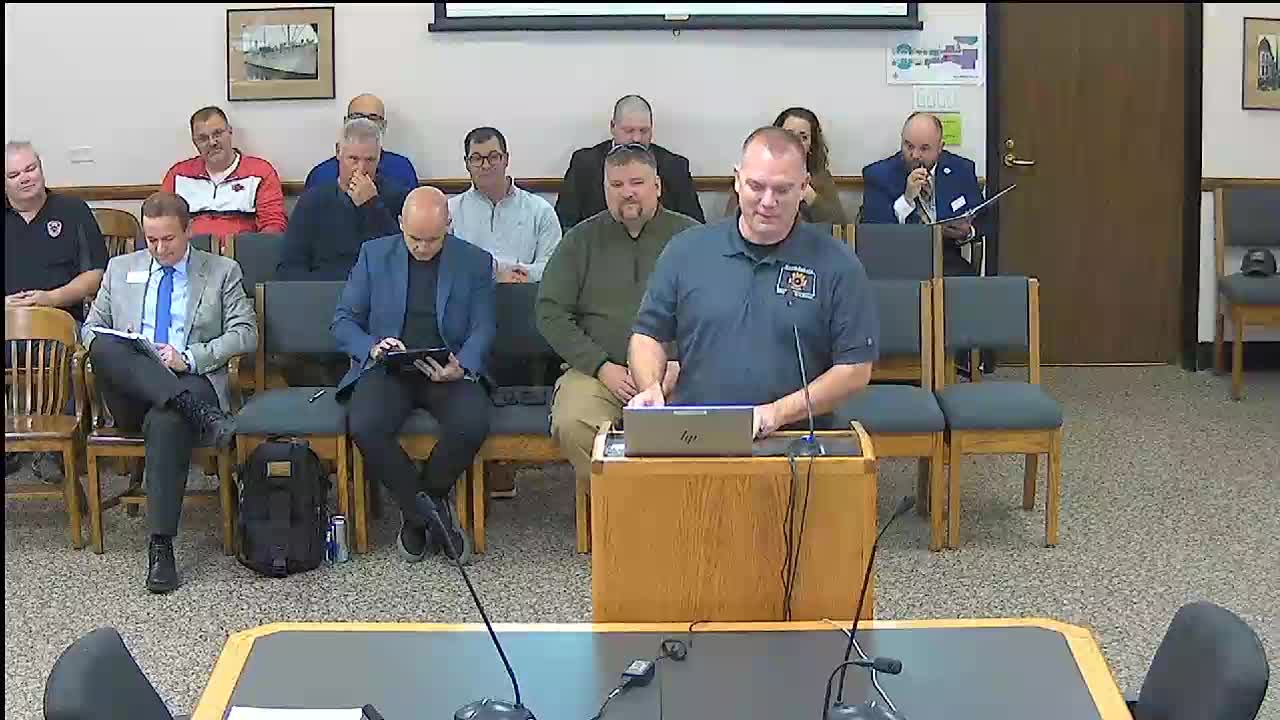
North Dakota—s training and certification network for firefighters is expanding, association leaders told the Emergency Response Services Committee, as the state and nonprofits try to connect high school CTE programs, community colleges and regional training to recruit and retain volunteers and career firefighters.
"We bring training directly to departments across the state," Jonathan Hildemeyer, training director for the North Dakota Firefighters Association (NDFA), said at the hearing. "Approximately 96 percent of our state's firefighters are volunteers."
NDFA staff described a mobile training approach, state and regional fire schools and Pro Board accreditation that allows North Dakota credentials to be recognized nationally. The association said its State Fire School typically draws 700 to 800 students for multiple hands-on sessions and it runs regional schools to reach smaller communities.
Chris Demello Rice, NDFA certification director, told the committee the association is adding new certification standards this year, including apparatus driver/operator levels and a wildland firefighter standard, and plans to expand instructor and live-fire instructor credentials. "These programs are the backbone of fire service training in our state," Demello Rice said.
Postsecondary institutions also described growth: Dickinson State University and North Dakota State College of Science (NDSCS) each offer associate degrees in fire science; the colleges reported small but growing enrollments this year (NDSCS reported plans to expand from seven to 12 students in an upcoming semester and DSU reported eight enrolled in 2024-25).
High school CTE center courses in Williston and Dickinson now include EMS and firefighting components, and other career-technical centers listed EMS enrollments ranging from single digits to more than 50 students in combined programs. Wade Sick, state director for the Department of Career and Technical Education, said many programs are new and early enrollment suggests growth: "If you would ask me this question three or four years ago, the answer probably would be zero students," he said.
NDFA officials provided participation numbers for classroom and hands-on seats: total reported participant-seats across NDFA offerings were about 6,410 in 2022, 6,052 in 2023, 7,119 in 2024 and 6,355 through part of 2025, figures the association said represent course seats rather than unique individuals.
The committee heard that NDFA training is subsidized through a mix of federal grants, state appropriations and a modest membership fee (departments typically pay small annual membership dues to access training). NDFA also screens and helps place federal excess property, including fire apparatus, with local departments.
Why it matters: The state—s ability to respond to complex incidents depends in part on basic, accessible training across a widely distributed volunteer force. Lawmakers said they want to know how to scale training, transfer credits between college/career programs and match funding to areas likely to produce the next generation of firefighters.
What—s next: NDFA and state CTE officials said they will provide more detail about partnerships with NDSCS and Dickinson State University and expand outreach plans for local CTE centers. The committee also discussed directing a future consultant study to review statewide certification reciprocity for wildland credentials and how state funding could better support mobile training and certification testing.