
DCAM: Massachusetts correctional portfolio aging, $1B backlog and multi‑billion decarbonization need
Get AI-powered insights, summaries, and transcripts
Subscribe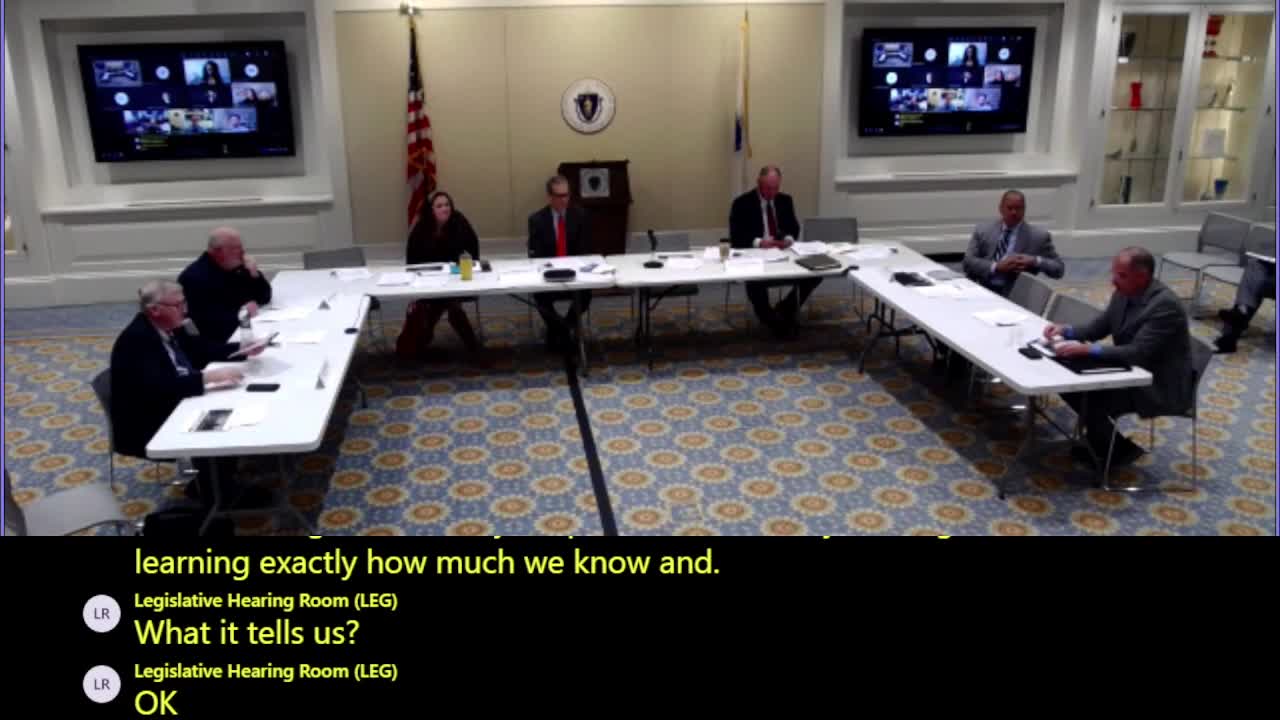
Summary
State and county correctional facilities in Massachusetts carry substantial deferred maintenance and climate‑related upgrade needs, Department of Capital Asset Management officials told the Special Commission on Correctional Consolidation and Collaboration on Oct. 17.
State and county correctional facilities in Massachusetts carry substantial deferred maintenance and climate‑related upgrade needs, Department of Capital Asset Management officials told the Special Commission on Correctional Consolidation and Collaboration on Oct. 17.
The commission heard that corrections make up about one‑sixth of DCAM’s portfolio and include dozens of campuses with many buildings that are older than their intended useful lives. Commissioner Adam Bakke, who led the presentation for the Department of Capital Asset Management (DCAM), summarized the portfolio and the tradeoffs facing the commonwealth: “We are responsible for a variety of things from fundamental real estate.”
Bakke told commissioners DCAM tracks about 61 million square feet and some 1,700 state buildings overall; roughly one‑tenth of that (about 10.5 million square feet) is correctional property across Department of Corrections and sheriff facilities. DCAM identified 36 correctional sites in its portfolio — 19 properties associated with the DOC (12 of which currently hold an active population) and 17 sheriff’s facilities (some counties operate more than one campus). Bakke said the portfolio’s buildings are old: “the average age of those buildings is is over 50 years,” and many structures built in periods of rapid growth were constructed quickly and with lower durability, increasing near‑term replacement and repair needs.
Why it matters: DCAM told the commission there is roughly $1 billion of documented deferred maintenance across the corrections portfolio and that achieving the governor’s decarbonization goal (eliminating roughly 95% of fossil fuel use in state assets by 2050) would add portfolio‑scale costs measured in the billions. Bakke said those two needs overlap — replacing aging mechanical systems can present an opportunity to reduce fossil fuels — but they are substantial even when counted together.
Key figures and funding approach - DCAM portfolio totals cited: about 61,000,000 sq ft and about 1,700 buildings (agencywide). Correctional portfolio roughly 10,500,000 sq ft. - DCAM identified 36 correctional facilities in its correctional portfolio: 19 DOC properties (12 active) and 17 sheriff campuses. - Average building age: about 51.1 years for DOC properties and about 52.3 years for sheriff properties, per DCAM’s figures. - Documented deferred‑maintenance backlog (corrections portfolio): approximately $1,000,000,000 (DCAM estimate). - Estimated replacement value of the correctional portfolio: roughly $10.5 billion (high‑level figure cited). - High‑level decarbonization cost estimates for the portfolio: in the low‑to‑mid billions (DCAM noted overlap with deferred maintenance but said full fossil‑fuel elimination would be a multi‑billion dollar effort). - Current capital plan allocation (DCAM share): DCAM said its capital plan share is roughly $3.5 billion over five years (about $750 million per year), and the correctional portfolio’s allocation in the current five‑year plan was cited at about $566,000,000. - DOC delegated deferred‑maintenance funding: roughly $10,000,000 per year (for delegated projects); DCAM also described a five‑year pledge of funds to sheriffs distributed by formula (allocations range from about $1.0M to just under $4.0M per sheriff under the current plan).
Discussion highlights - Program and accessibility needs: Bakke noted many older facilities predate the Americans with Disabilities Act, and the incarcerated population in Massachusetts is aging; accessibility, health‑care space and rehabilitation programming have become more important drivers of capital needs than when many buildings were built. - Cost drivers: DCAM explained that renovation projects frequently trigger additional code, accessibility and life‑safety requirements — so a targeted renovation can often expand into a larger project once thresholds are met. Bakke described two common thresholds: certain accessibility upgrades tied to projects above $100,000 and broader building upgrades required when a project exceeds roughly 30% of a building’s replacement value. - Construction costs and thresholds: DCAM and commissioners noted construction costs have risen significantly since the pandemic and questioned whether statutory procurement and code thresholds (that trigger expanded upgrade requirements) should be revisited so that thresholds align with current construction prices. - Procurement and design: DCAM described the Designer Selection Board process and the “house doctor” system that prequalifies architecture/engineering firms for delegated, indefinite‑quantity work; larger projects are procured individually through the Designer Selection Board. - Operational realities: Commissioners and sheriffs emphasized the operational limits on consolidating or closing facilities even with smaller incarcerated populations, because classification, security and program separation mean beds in a wing may not be reassignable to other populations.
Quotes from the record - Commissioner Adam Bakke (Department of Capital Asset Management): “We are responsible for a variety of things from fundamental real estate.” - Commissioner Adam Bakke (on building age): “the average age of those buildings is is over 50 years.” - Sheriff Kochie (speaking for county sheriffs): “your presentation was absolutely outstanding.” - Senator Will Brownsberger (commission chair, closing the meeting on public input): “we owe that to the public to do.”
Follow‑up, directions and next steps - DCAM offered to provide more granular breakdowns on building ages, deferred‑maintenance by facility and on which dormant properties are still tracked in DCAM’s portfolio (DCAM noted MCI Concord is tracked and some dormant properties are included until DOC formally declares them surplus). - The commission agreed to schedule public input sessions (Brownsberger said the next meeting in December would be used to solicit public comment and that the commission would plan outreach so stakeholders know how to participate). Commissioners discussed inviting people with lived experience and stakeholder groups and possibly arranging facility visits; no final requirement on tours was adopted at this meeting. - DCAM to return with any requested clarifications and additional tables (for example, counts by decade of construction and facility‑level deferred‑maintenance details) after members send follow‑up questions to staff.
Votes at a glance - Motion to approve minutes of the Sept. 15 meeting: approved (transcript records unanimous ayes; mover/second not specified in the record). - Motion to adjourn: approved (recorded as unopposed).
Ending The commission closed the meeting after agreeing to gather public input and to request additional DCAM detail. Members said they expected follow‑up materials and at least one public meeting before final recommendations were drafted.