Coalition backs bill to qualify renewable natural gas for heating decarbonization
Loading...
Summary
A witness for the Coalition for Renewable Natural Gas told the Joint Committee on Revenue that Senate Bill 1998 would allow utilities to lower the carbon intensity of delivered gas by using qualified renewable fuels, including renewable natural gas (RNG), and urged flexible geographic deliverability and balanced compliance rules.
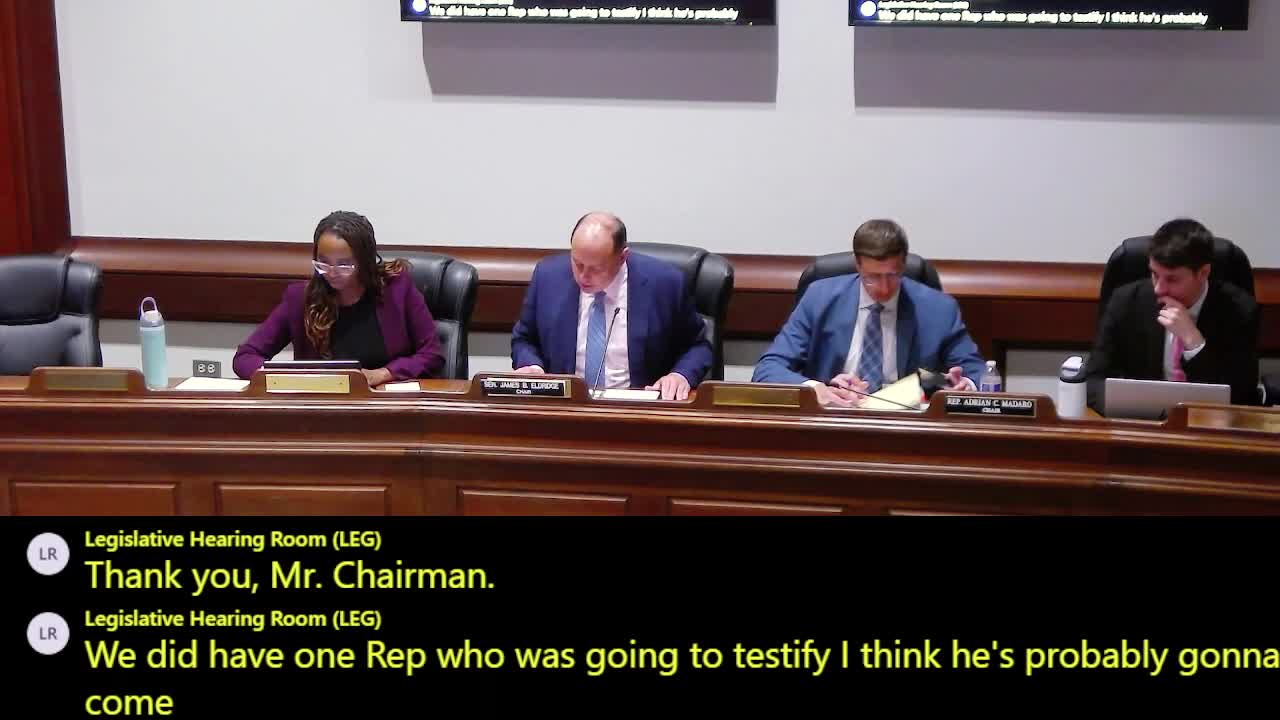
State Sen. Jamie Eldridge and House Co-chair Chairman Madero convened a joint public hearing of the Legislature’s Joint Committee on Revenue where testimony was heard on Senate Bill 1998 (also filed as House Bill 3230) to establish a renewable heating solutions framework for the Commonwealth.
Janem Serres, manager of state legislative affairs for the Coalition for Renewable Natural Gas, told the committee the measure “takes a practical approach to decarbonizing the heating sector by creating this renewable heating solution” and would allow natural gas utilities to “reduce the carbon intensity of delivered gas using qualified renewable fuels, which include renewable natural gas.”
The bill would recognize renewable natural gas — methane captured from landfills, farms, wastewater and food waste — as a qualified heating fuel that utilities may use to lower the greenhouse‑gas intensity of the fuels they deliver. Serres noted those gases “would otherwise be released into the atmosphere where they are more than 80 times as potent as carbon dioxide over a 20 year lifespan,” and argued that, by capturing and using that methane for heating, “RNG can prevent greenhouse gas emissions at the source while also displacing fossil natural gas.”
Serres told the committee that projects recovering methane from dairy farms or landfills can be carbon negative over their life cycle and also produce local jobs, infrastructure investment and economic development. She urged the committee to ensure the bill includes “flexibility in geographic deliverability, reasonable gas quality standards, and balanced compliance mechanisms,” so that both in‑state and regional producers could contribute to Massachusetts’s emissions targets affordably.
The committee did not take a vote during the hearing; the item was heard and testimony recorded. No further committee action was announced at the hearing.
Serres concluded her testimony by thanking the committee and yielding her time.
A copy of the exact testimony read into the record and the committee’s live stream were noted as available on the Legislature’s website during the hearing.