Local rabbis tell commission schools need playbooks, consistent language and partnership after rise in antisemitic incidents
Loading...
Summary
Rabbis from Concord, Acton and Lexington described local organizing with school districts, town halls and direct outreach to superintendents to improve responses to antisemitism; they urged clear communications from school leaders, proactive teacher training and community partnerships.
Three rabbis who lead congregations in Concord, Acton and Lexington told the commission that antisemitism predates but has intensified since Oct. 7, and that school districts need concrete playbooks and stronger partnerships with Jewish community leaders to respond effectively.
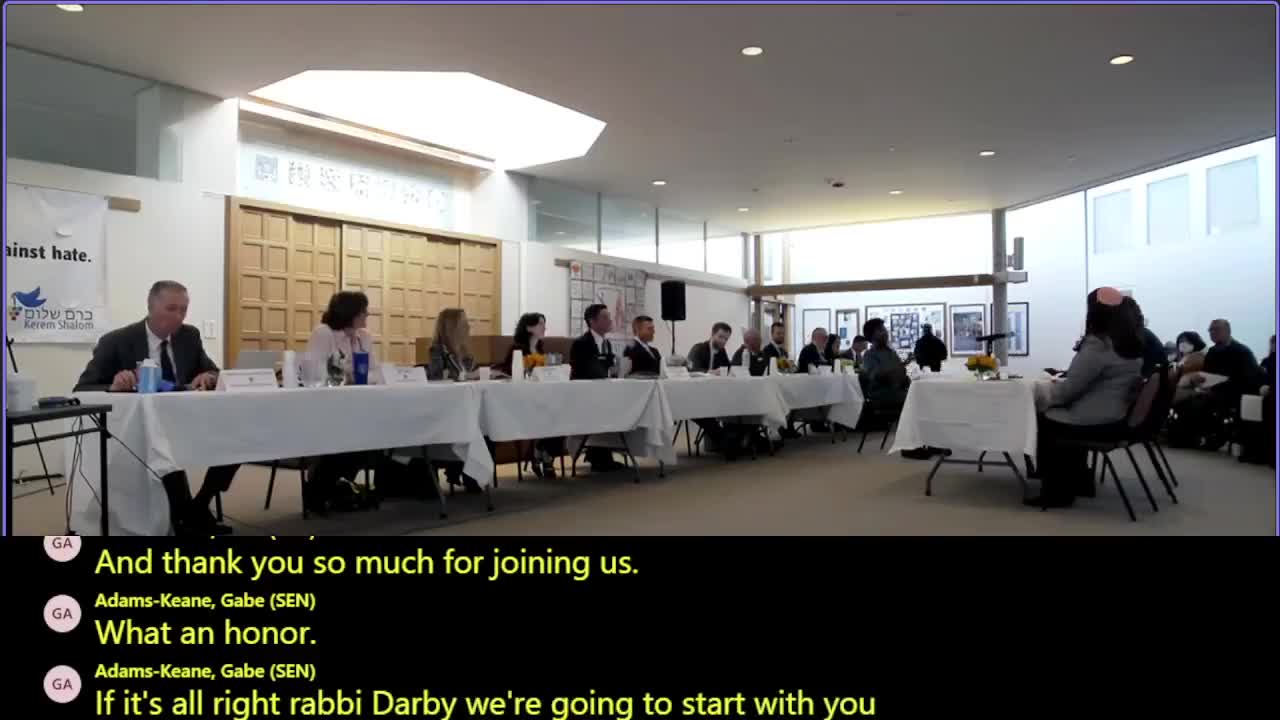
Rabbi Darby Lee of Karam Shalom Synagogue, the meeting host, described the emotional toll on Jewish families and the complexity of labeling incidents antisemitic. He urged the commission to guard against weaponizing the term "antisemitism" while insisting that naming hate clearly is necessary to protect community members.
Rabbi Graham David of Congregation Beth Elohim in Acton described a long-standing relationship with Acton-Boxborough superintendent Peter Light, recounting a 2023 town hall that led to expanded anti-bias work in the schools and a large community march after Oct. 7. He cited an example in which a swastika was found in a construction elevator and said the district moved to strengthen communication and teacher training after local advocacy.
Rabbi Erin (Karen) Tomashow of Temple Isaiah in Lexington said parents worry that teachers sometimes present material about Israel without full context and that students are left without nuance during politically charged periods. She said many families want schools to be more mindful of primary-source choices and to provide multiple perspectives when teaching contested contemporary subjects.
The rabbis endorsed the commission's preliminary recommendations for K'12 education, including model language for district communications following incidents, expanded Holocaust and genocide education and dedicated teacher training that includes antisemitism. They also emphasized that showing Jewish life and contributions ' not only victimhood ' should be part of curricula.
Ending: The rabbis said systemic change will require sustained local partnerships between congregations, school leadership and municipalities, plus consistent, clear public statements from administrators when incidents occur.