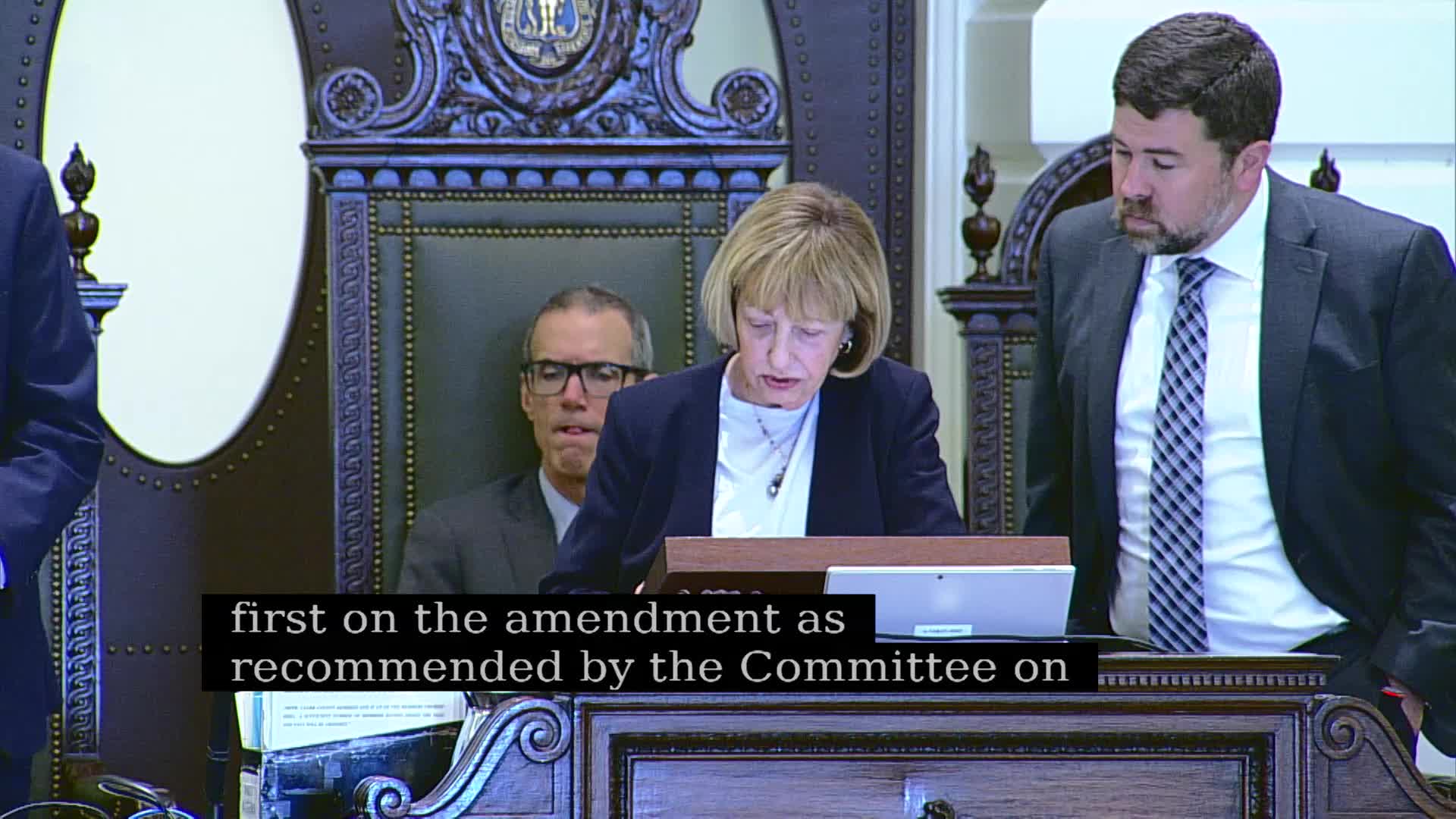
Senate expands 'move over' law to include utility workers and disabled vehicles, raises repeat-offense penalties
Loading...
Summary
The Massachusetts Senate passed an expansion of the state's "move over" law to add utility workers and disabled vehicles to the protected categories, and established escalating fines and mandatory education for repeat offenders; the Senate recorded a unanimous vote to engross the bill.
The Massachusetts Senate on Oct. 16, 2025 approved an expansion of the state's "move over" law to add utility workers and disabled vehicles to the set of protected situations when motorists approach stationary incidents on roadways.
Senators described the bill as a public-safety measure that extends existing move-over protections (first enacted in 2009) beyond emergency responders and highway maintenance crews. "This bill takes that concept and expands it to include other vehicles and other emergency situations to be able to protect the folks in those situations," a sponsor told colleagues during floor debate. The Senate adopted several amendments from the floor and approved the Ways and Means substitute; the bill was ordered to a third reading and passed to be engrossed by a recorded roll call later shown as 39–0.
Key provisions discussed on the floor include adding municipal utility and emergency-management vehicles and disabled vehicles to the protected list, an escalating penalty schedule (a $100 fine for a first offense, $250 for a second, and $500 for subsequent offenses as described on the floor), and mandatory classroom instruction for second and later offenses. Sponsors cited national and state data about roadway workers struck by passing vehicles and named recent local fatalities to underscore the stakes: floor remarks named law-enforcement officers and utility workers who were struck or killed while working at roadside incidents.
Several floor amendments were offered and considered: an amendment to account for municipally owned utility vehicles was adopted; an amendment that would have required vehicle interior lights during traffic stops failed; an amendment proposing higher penalties failed; other amendments were withdrawn by sponsors for further committee work. Sen. Feeney and other senators spoke from the floor in support, highlighting testimonies from utility workers and families of victims who attended committee hearings.
The Senate passed the Ways & Means substitute as amended and ordered the bill to a third reading; the clerk recorded the roll call and announced 39 affirmative votes and no negatives. The measure now proceeds through engrossment and will be laid before the governor for approval. Floor debate did not specify the administrative mechanism for issuing or collecting fines or the agency responsible for the proposed mandatory classroom instruction.