Get Full Government Meeting Transcripts, Videos, & Alerts Forever!
Get email alerts on the Animal Welfare topic
No spam. Unsubscribe anytime.
Massachusetts witnesses urge ban on retail sale of dogs, cats and rabbits in pet stores; retailers and breeders warn of unintended harms
Summary
A broad coalition of animal-welfare organizations, veterinarians and residents urged the committee to back bills that would stop pet shops from selling dogs, cats and rabbits sourced from commercial breeders; industry witnesses and some breeders said the bills would push customers to unregulated sellers and harm small businesses.
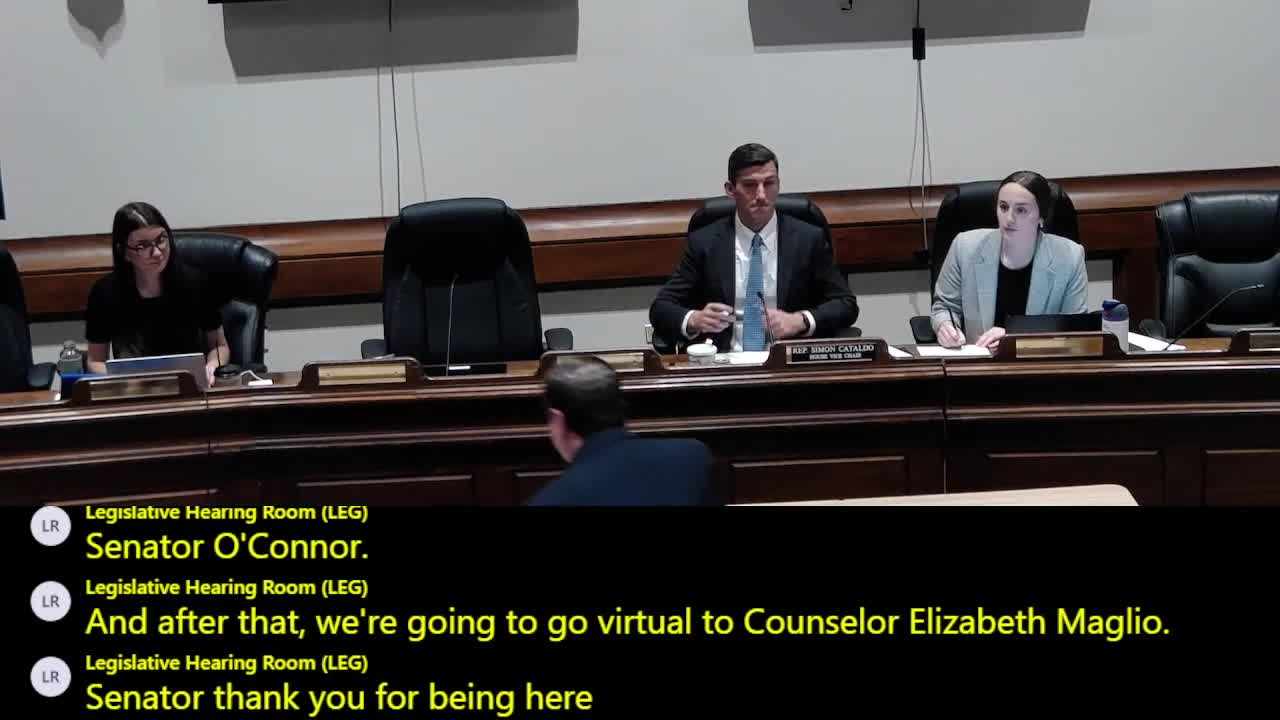
The Joint Committee on Environment and Natural Resources heard robust, often emotional testimony on bills to prohibit retail sales of dogs, cats and rabbits in pet shops (filed as versions including H.967 and S.650/S.651). Supporters said the bills break the pipeline from large-scale commercial breeders, often called puppy mills, into Massachusetts stores and address consumer-protection and animal-welfare problems. Opponents said the reforms would restrict consumer choice, hurt small local businesses and push pet sales underground.
What supporters said
- Public‑health and animal welfare: Senator O'Connor summarized concerns that commercial breeding facilities frequently operate with inadequate animal care and that puppies moved through brokers and pet‑store supply chains are vulnerable to disease and behavioral problems. An MSPCA veterinarian said she had treated numerous sick puppies sold in pet shops and described repeat, serious illnesses that showed up shortly after purchase.
- Consumer protection and traceability: Testimony from advocates and town councilors noted that pet stores often do not disclose breeder origins and rely on brokers that obscure animal provenance. A Boston councilor who helped organize local bans described difficulty obtaining records through public‑records requests.
- Shelter and rescue alternatives: Advocates said most responsible hobby breeders rarely sell through pet stores and that pet shops can and do retool their businesses to partner with shelters for adoption events.
What opponents said
- Industry and breeder concerns: Retailers and the Pet Advocacy Network argued that licensed pet stores are inspected, offer warranties and provide consumer protections not available from unregulated sellers and online brokers. The American Federation of Agriculture and some breeders told the committee that prohibitions would limit choices for veterans, families, and others who benefit from regulated breeders and could drive irresponsible breeders further underground.
- Economic and enforcement concerns: Witnesses from the pet retail and breeder community said enforcement across online and cross‑border sales would be costly, and they argued that well‑regulated stores support veterinary care and recordkeeping.
Committee context and follow up
The committee heard numerous personal accounts of veterinary costs, surrendered animals and puppy illnesses from residents who purchased dogs at Massachusetts pet stores. The MSPCA, Humane organizations and local activists urged a favorable report. Retail and breeder witnesses urged the committee to reject or amend the bills, and some invited legislators to work on compromise solutions such as stricter disclosure and enhanced enforcement of existing rules.
Next steps
Committee staff asked for written follow‑up and records trace requests described by witnesses. Several municipalities described local ordinances already enacted; proponents said patchwork local action has its limits and urged statewide action.