Get Full Government Meeting Transcripts, Videos, & Alerts Forever!
Get email alerts on the Cdbg Funding topic
No spam. Unsubscribe anytime.
Evansville finance committee hears nonprofit pleas as city details CDBG, ESG and HOME cuts
Summary
Nonprofit representatives told the Evansville City Finance Committee they accept most mayoral funding recommendations but asked for restored items including a $25,000 Promise Zone evaluation and an extra $5,000 for the C.K. Newsome community kitchen coordinator; staff outlined HUD timeliness limits and proposed reallocations within HOME funds.
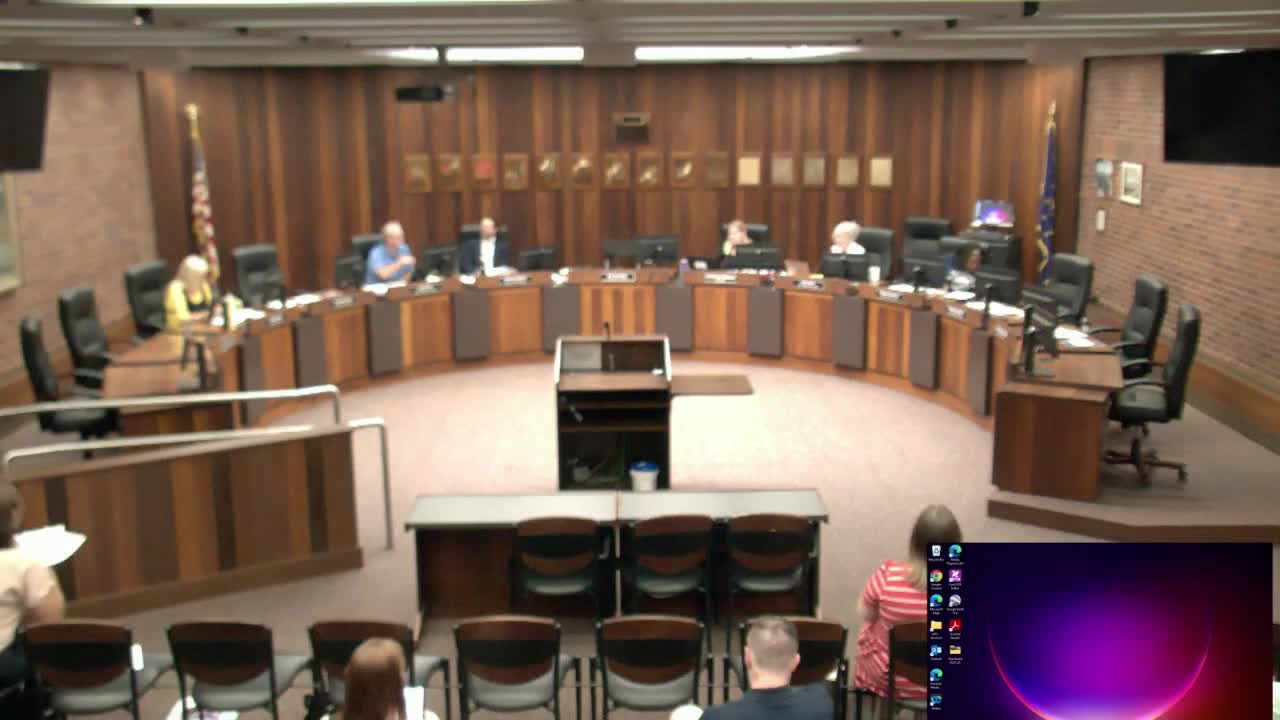
The Evansville City Finance Committee on Tuesday heard representatives from more than two dozen local nonprofits accept most of the mayor’s proposed Community Development Block Grant (CDBG), Emergency Solutions Grant (ESG) and HOME allocations while urging restorations and clarifications on a handful of items.
The group’s presentations fronted requests from Echo Housing and Community Development to restore $25,000 for a final Promise Zone evaluation and from Feed Evansville for an additional $5,000 to increase a recommended allocation for the C.K. Newsome community kitchen to $20,000. Reach Out Evansville’s reentry program also asked the committee to reconsider an allocation reduction after staff said the agency submitted $25,000 as its request and the mayor recommended the same amount.
The requests mattered because city staff told the committee the federal grants are smaller than last year and must be managed to meet U.S. Department of Housing and Urban Development (HUD) timeliness requirements. Colby (city staff) said CDBG was cut by about $167,000, ESG by about $5,000 and HOME by about $56,000 from the prior year, and that the city must avoid having more than 1.5 years worth of grant funds unspent, which could put future funding at risk.
Echo Housing chief impact and finance officer Eric Tilkemeyer urged the committee to “reinstate the $25,000 for the final year of evaluation for the Promise Zone,” saying the Promise Zone designation is a 10‑year award that the city and Echo hold with the Department of Housing and Urban Development and that the designation sunsets in June 2026. Tilkemeyer said the evaluator contracted to date, Dan Diehl, had shown evidence of “over 870,000,000 of investment in the Promise Zone” in prior reporting and that a final evaluation would document the transition of the Promise Zone work to a local collective action network of stakeholders.
Feed Evansville acting executive director Lisa Vaughn said the mayor recommended $15,000 for the kitchen at the C.K. Newsome Center and asked the committee to consider raising that to $20,000 to hire a part‑time kitchen coordinator. Vaughn said the coordinator salary is budgeted at $25,000 and that an additional $5,000 from the city would allow the organization to cover most of that part‑time position this year; she said volunteers have been filling the role to date and that the kitchen is used multiple times weekly by nonprofits and for emergency shelter feeding.
Representatives from homeless‑service organizations — including Aurora (Jillian Hall), Evansville Rescue Mission (Eddie Rapp), United Caring Services (Ryan Rigg) and the YWCA (Erica Taylor) — stated they accept the recommended allocations and thanked the committee for funding that supports day shelters, rapid rehousing, outreach and domestic‑violence services. Several smaller providers likewise accepted recommended awards and briefly described their programs, including the ARC Crisis Children’s Center, Tri‑State Food Bank and Meals on Wheels of Evansville.
Staff also outlined the HOME program recommendations and a proposed technical change: three community housing development organizations (CHDOs) had prior‑year operating funds they must spend down, and staff recommended reducing each CHDO’s new operating allocation to $5,000 and moving the remaining $15,000 into a “shovel‑ready” HOME pot to be awarded to affordable‑housing projects that become ready for construction. Colby said HOME project funding is disbursed based on shovel readiness and that moving money into the pot increases the pool for projects that can immediately proceed.
Committee members pressed staff about monitoring and timeliness. City staff said HUD requires timely expenditure of grant funds and that when agencies hold substantial prior allocations without spending them, staff typically recommend not giving those agencies additional funds until they demonstrate timely drawdowns. The staff presentation identified dozens of subrecipients and said staff conduct monitoring and compliance work to reduce the risk of HUD sanctions.
Reach Out Evansville executive director Tom Moosebrugger and reentry director Farajii Garth described plans for sober‑living houses and reentry services and said sheriff and faith leaders have expressed support. Garth said the original application paperwork appeared to request a much larger amount but that the application ultimately submitted to staff was for $25,000; he said the group will accept the allocation if the committee cannot increase it now and intends to return for additional requests in the future.
No formal vote was recorded in the committee discussion excerpted in the transcript. Staff told the committee that if the council approves the package at its meeting, staff will implement the technical HOME CHDO change (reducing operating allocations to $5,000 each and putting $15,000 into the shovel‑ready pot) and will continue monitoring subrecipients’ drawdowns throughout the program year.
The committee closed after roughly 50 minutes of presentations and staff discussion, with staff and nonprofit leaders thanking members for their time and the mayor for the recommended funding.