Get Full Government Meeting Transcripts, Videos, & Alerts Forever!
Get email alerts on the Audit Topic Selection topic
No spam. Unsubscribe anytime.
St. Paul audit committee forwards two studies — data-practices compliance and housing development process — to City Council
Summary
The Saint Paul City Audit Committee agreed to recommend two audit topics to the City Council: compliance and workload tied to the Data Practices Act, and a review of the cityhousing development process. Staff will apply the committee—s risk rubric and present both options to the council policy committee on June 25.
The St. Paul City Audit Committee on June 18 agreed to forward two topics to the City Council for final selection and input: an audit of compliance with the Data Practices Act and an audit of the city—s housing development process from proposal to construction.
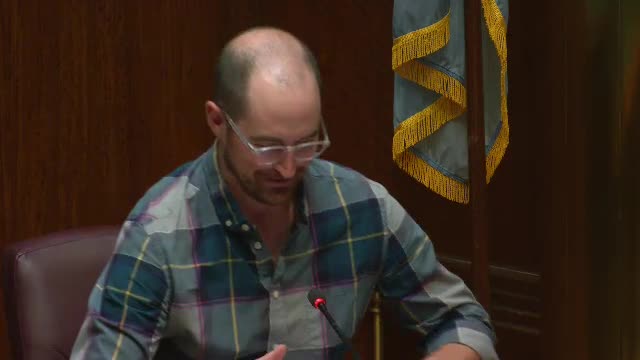
Committee chair Rebecca Naker confirmed the referral at the meeting: "I just want to confirm data practices and housing development process are the 2 topics that we're forwarding to the council to vote on a final study," she said. The committee did not record a formal roll-call vote but confirmed consensus to pass both topics to the council policy committee for consideration on June 25.
Why it matters: committee members described both topics as high-priority operational issues that could affect city finances, legal compliance and service delivery. Committee staff will apply the panel—s risk-assessment rubric to both topics and circulate a refined scope for Wilder, the committee—s retained consultant, to use if the council approves a study.
Discussion highlights - Data Practices Act: Multiple committee members urged a review of how the city handles public records requests, citing staff time, potential legal exposure and inconsistent processes across departments. A committee member said that an audit could quantify citywide staff hours and costs tied to fulfilling requests and identify structural improvements to records management. - Housing development process: Members referenced a previously budgeted $100,000 housing study intended to examine the timeline and steps from project concept to construction, including interactions with Planning & Economic Development (PED) and Development Services & Inspections (DSI). Several members said a focused audit could identify operational barriers that slow housing production. - Risk approach: Noah McVey, a newly seated community advisor, urged the group to consider enterprise risk assessment practices when choosing audits, calling it "kind of an industry best practice" for prioritizing topics that pose material risks to city operations.
Other items noted at the meeting - Audit report follow-up: The committee reported that the last audit was presented to the City Council and that staff plan to offer the audit report and its accompanying story map to interested committees, including a potential presentation to the Capital Improvement Budget (CIB) committee in July (target dates discussed were July 14 or, if that does not work, August 11). - Contract/consultant status: Committee staff said they are working with Wilder to review and amend the existing contract for an extension (the meeting record referenced a proposed multi-year extension). Committee leadership indicated strong, largely positive feedback in earlier evaluations of Wilder. - Outreach and engagement: The committee will retain the full list of suggested topics (about 10 were discussed, including employee retention/turnover, Como Zoo finance, district councils, sidewalks/ADA compliance, RightTrack, Neighborhood STAR and fee recovery) for future consideration.
What happens next Staff will apply the committee—s risk-assessment rubric to the two forwarded topics and circulate draft scopes for review. The committee will present the two candidate audits to the City Council policy committee on June 25 and expects to return to the audit committee in July with council direction.